NASA hasn't sent a human being past low-Earth orbit since 1972. That's over half a century of staying close to home. Artemis 2 is about to break that streak. It's not just another rocket launch or a PR stunt for a government agency. This mission represents the first time since the Apollo era that people will actually leave our immediate backyard.
You’ve probably seen the flashy CGI videos of moon bases. Forget those for a second. Artemis 2 is the gritty, high-stakes test run that makes everything else possible. It’s a ten-day mission that takes four astronauts around the far side of the moon and back. They aren't landing yet. That comes later. But they are proving that the Orion spacecraft can keep humans alive in deep space.
People ask why we’re doing this again. Didn't we "win" the space race? Space isn't about winning a sprint anymore. It’s about building a permanent presence. If we can't get Artemis 2 right, we can't get to Mars. It’s that simple.
The crew carrying our hopes to the lunar far side
NASA didn't just pick four pilots out of a hat. The Artemis 2 crew is a deliberate statement about who goes to space in the 21st century. Commander Reid Wiseman, Pilot Victor Glover, and Mission Specialist Christina Koch represent NASA, while Jeremy Hansen represents the Canadian Space Agency.
Victor Glover will be the first person of color to leave Earth’s orbit. Christina Koch will be the first woman. These aren't just trivia points. They represent a shift in how we view exploration. The Apollo missions were incredible, but they were narrow. This crew looks more like the world they’re leaving behind.
Glover is a Navy captain with a ton of experience on the International Space Station. Koch holds the record for the longest single spaceflight by a woman. These people are overqualified, and they have to be. When you’re 230,000 miles away from Earth and something breaks, you don't call a help desk. You fix it or you don't come home.
That massive rocket is the real star of the show
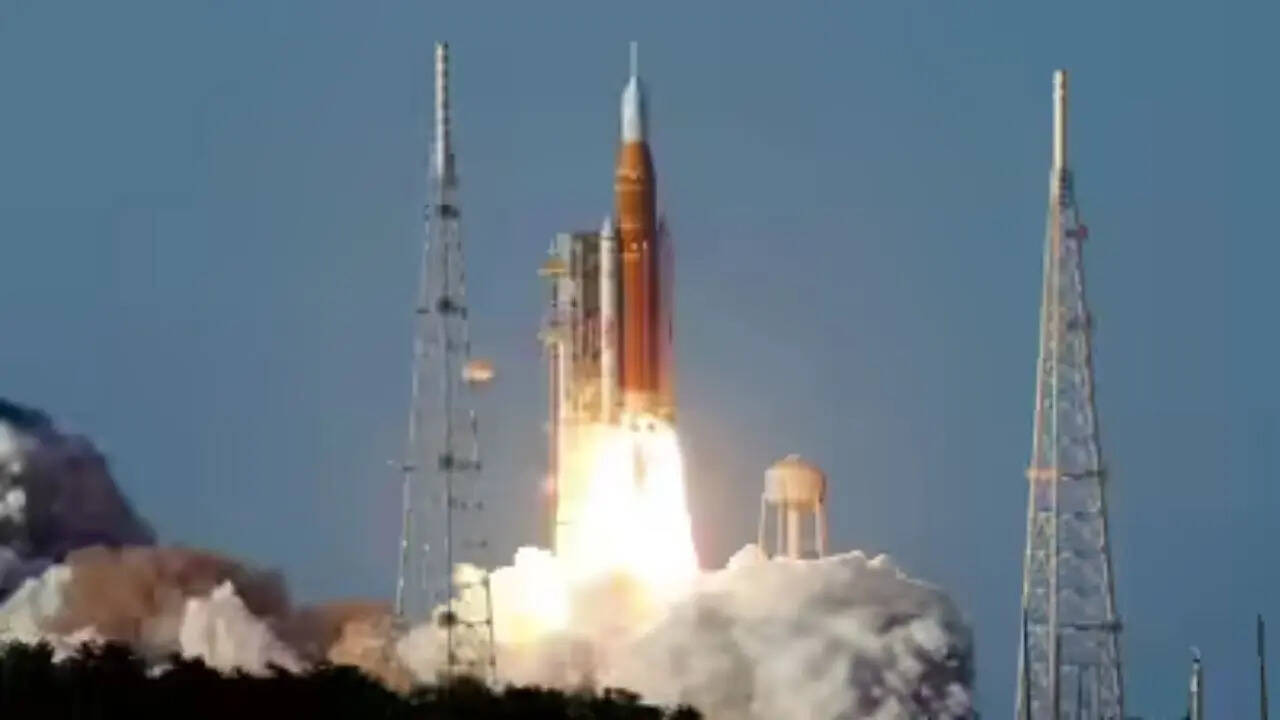
The Space Launch System, or SLS, is a beast. There’s no other way to describe it. It stands 322 feet tall. It produces 8.8 million pounds of thrust. When it ignites, it’s basically a controlled explosion that weighs nearly 6 million pounds.
Critics love to talk about the cost of the SLS. It’s expensive. It’s late. It’s built on "legacy technology" from the Shuttle era. All of that is true. But here’s the reality: right now, it’s the only flight-proven rocket capable of sending the Orion capsule and its crew to the moon in a single shot.
The SLS uses four RS-25 engines and two massive solid rocket boosters. If you’ve ever watched a Shuttle launch, those orange tanks and white boosters look familiar. That’s because they’re evolved versions of that tech. NASA didn't reinvent the wheel; they just made it much, much bigger.
What actually happens during those ten days in space
The mission profile for Artemis 2 is tight. It starts with a massive kick from the SLS to get into a high Earth orbit. The crew will spend about 24 hours orbiting our planet first. Why? To make sure every life support system is working perfectly before they commit to the lunar trajectory.
Once they get the green light, they’ll perform a Trans-Lunar Injection. They’ll fly about 6,400 miles past the far side of the moon. They won't orbit it like a traditional satellite. Instead, they’ll use a "free-return trajectory." Basically, the moon’s gravity will slingshot them back toward Earth.
- Day 1-2: Launch and High Earth Orbit maneuvers.
- Day 3-4: Trans-lunar coast. The crew tests manual piloting.
- Day 5: Lunar flyby. This is the big moment. They'll see the Earth rise over the lunar horizon.
- Day 6-10: The long trek home and splashdown in the Pacific.
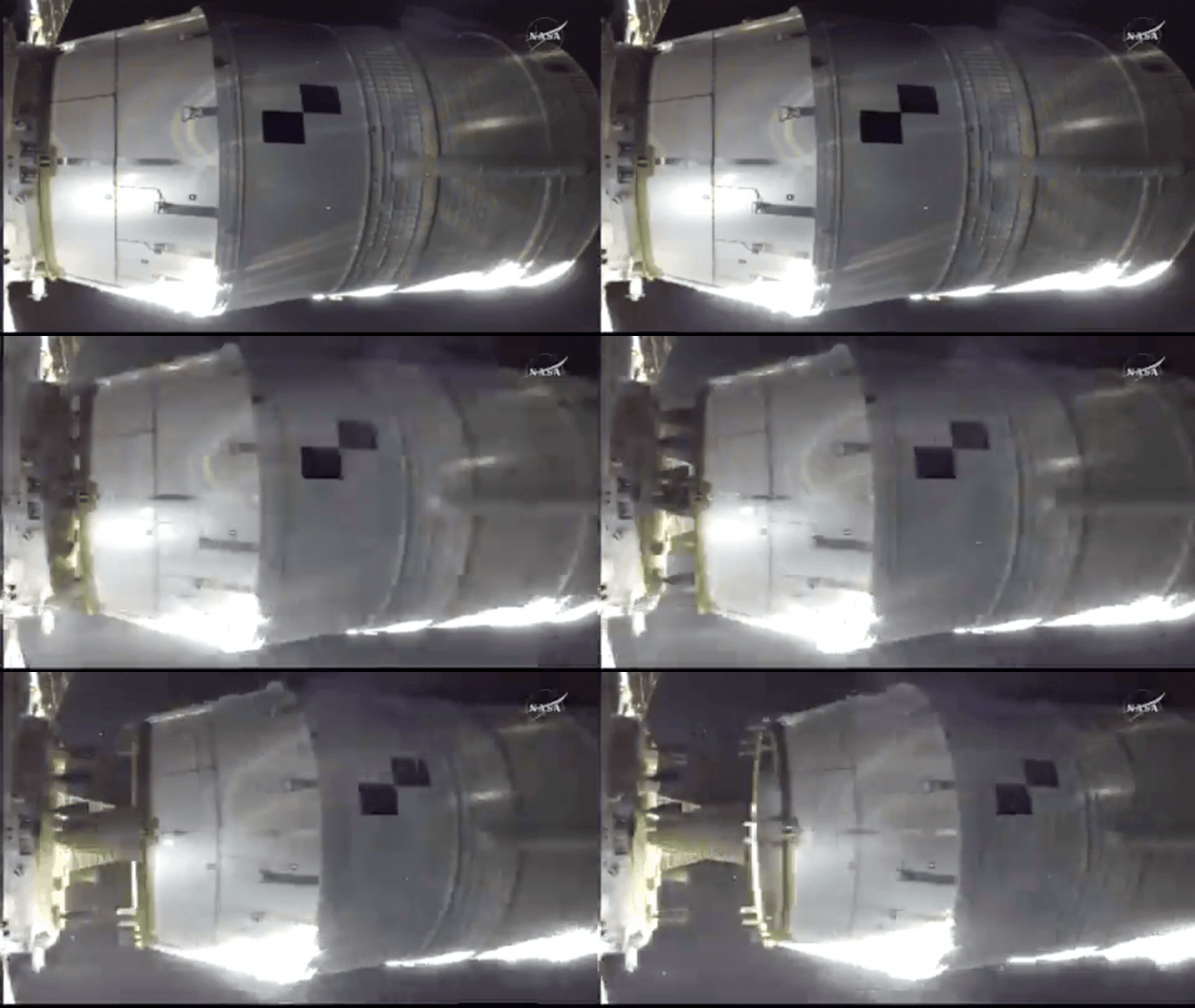
The "manual piloting" part is interesting. In an age of automation, NASA still wants these astronauts to prove they can fly the Orion capsule by hand if the computers fail. They'll use the spent upper stage of the rocket as a target for proximity operations. It’s a high-tech game of "follow the leader" to ensure they can dock with other modules in future missions.
Orion is a fancy name for a survival pod
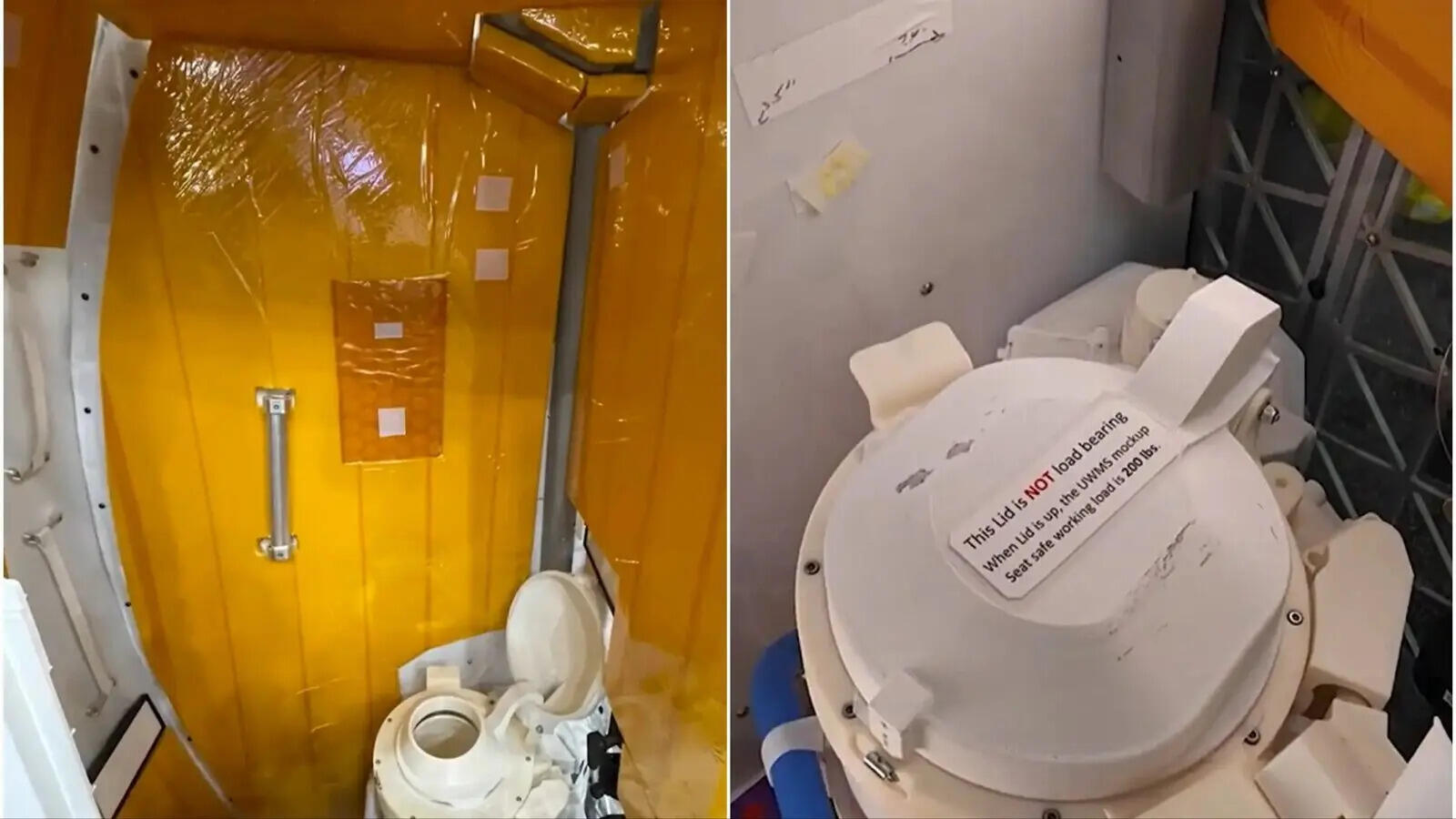
The Orion capsule is where the crew lives, eats, and sleeps. It’s small. Imagine spending ten days in a large SUV with three other people. Now imagine that SUV is traveling at 25,000 miles per hour and there’s no bathroom—just a "waste management system."
Orion is built to handle the radiation of deep space. Once you leave the protection of Earth’s magnetic field, solar flares become a deadly threat. The capsule has shielded areas where the crew can hunker down if the sun decides to throw a tantrum.
The heat shield is the most critical piece of hardware. When Orion hits the atmosphere on the way back, it’ll be moving at Mach 32. The shield has to withstand temperatures around 5,000 degrees Fahrenheit. If it cracks, the mission ends in disaster. NASA spent years testing the Avcoat material on the shield to make sure it chars and erodes exactly as planned to carry the heat away.
Why we aren't landing on the moon yet
I get it. People want to see boots on the ground. But Artemis 2 is the bridge. Think of it like testing a new plane. You don't try to land on a short, icy runway on your first flight. You fly the route, check the instruments, and make sure the engines don't quit.
Artemis 3 is the mission scheduled to actually land humans on the lunar South Pole. That mission relies on a lot of things that don't exist yet, like the SpaceX Starship HLS (Human Landing System) and new spacesuits built by Axiom Space.
Artemis 2 proves the "bus" works. Without the bus, the landing doesn't matter. We haven't operated a human-rated spacecraft this far from home in decades. We’ve forgotten a lot of the institutional knowledge from the 1960s. Artemis 2 is how we learn it all over again.
The lunar South Pole is the ultimate goal
Why the South Pole? Because that’s where the ice is. We’ve discovered that the permanently shadowed craters at the moon's poles contain water ice. Water is gold in space. You can drink it, you can breathe it (if you split the oxygen), and you can turn it into rocket fuel (hydrogen).
If we can harvest water on the moon, the moon becomes a gas station for the rest of the solar system. Launching fuel from Earth is incredibly expensive because Earth’s gravity is "heavy." Launching from the moon is easy.
Artemis 2 is the first step toward that gas station. It’s the mission that verifies we can safely get humans into the neighborhood. From there, we build the Gateway—a small space station that will orbit the moon—and eventually, a permanent base camp on the surface.
Dealing with the skeptics and the cost
Let's be honest. This costs a lot of money. Each SLS launch is pegged at around $2 billion. Some estimates say the whole Artemis program will cost $93 billion by 2025. Is it worth it?
If you look at it as just "spending money on the moon," it sounds crazy. But that money isn't being dumped into a lunar crater. It’s being spent in factories in Alabama, labs in California, and launch pads in Florida. It supports thousands of high-tech jobs.
More importantly, it drives innovation. The tech we develop for lunar life support, compact power systems, and radiation shielding always finds its way back to Earth. We didn't get GPS or modern weather tracking just by looking at our feet. We got them because we looked up.
What to watch for on launch day
When the countdown hits zero, watch the solid rocket boosters. They provide about 75% of the initial thrust. They're the things that make the ground shake miles away.
Keep an eye on the "Max Q" moment. That’s when the rocket faces the maximum aerodynamic pressure. It’s the point where the vehicle is most likely to break apart under stress. Once they pass Max Q, everyone in Mission Control breathes a little easier.
The launch will happen from Kennedy Space Center’s Pad 39B. This is hallowed ground. This is where the Apollo missions started. Watching a modern rocket leave that same pad is a weird mix of nostalgia and future-shock.
Getting ready for the next era of spaceflight
Artemis 2 isn't just a mission for nerds or space enthusiasts. It’s a shift in our species' story. We’re moving from "visiting" space to "living" in it. If you want to keep up with the progress, stop looking at the vague press releases and start looking at the hardware tests.
Watch the Orion recovery drills in the Pacific. Check out the engine tests at Stennis Space Center. These are the real indicators of whether we're on track.
Don't just wait for the grainy footage from the moon's far side. Follow the crew on social media. Read the technical briefings from the ESA and CSA. This is a global effort, and it’s happening faster than most people realize. The moon is getting closer every day.
If you're looking for a way to stay involved, track the flight schedule through NASA's official Artemis blog. They post the raw data and the mission milestones that don't always make the evening news. We're going back. It's time to pay attention.