The desert does not care about geopolitics. It only knows the heat that shimmers off the salt flats and the way the wind carries the scent of ionized air after something violent happens. Deep beneath the jagged mountains of central Iran, in a place called Natanz, the silence is expensive. It is a silence bought with reinforced concrete, steel doors, and the collective breath of thousands of engineers who know that their workplace is a bullseye.
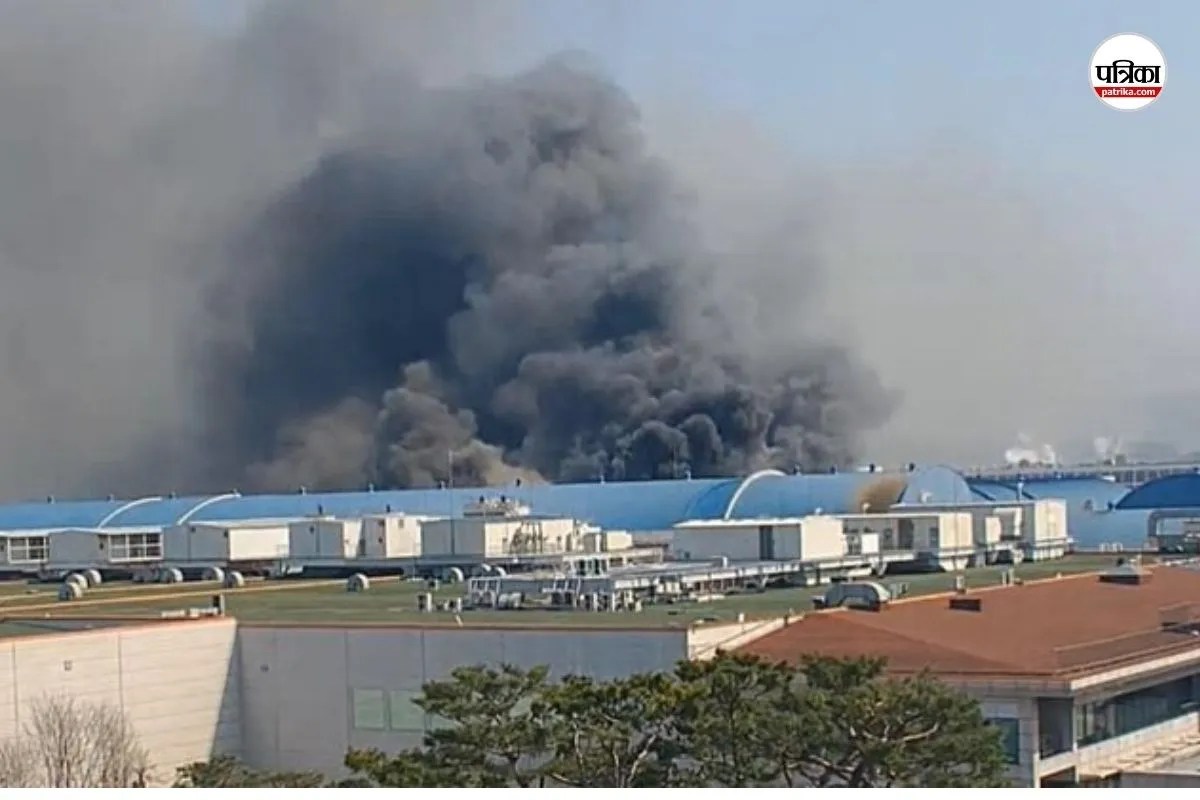
When the news broke that an Iranian nuclear facility had been "attacked" following a missile strike on a joint UK-US base, the world saw a headline. They saw a ticker tape of escalating tensions and military designations. But if you were standing in the dust outside the perimeter, or sitting in a windowless room in London or Washington, you didn't see a headline. You felt a shift in the tectonic plates of global security.
Everything changed the moment the first missile left the rail.
The Weight of the First Strike
Imagine a young radar technician at a coalition base. Let’s call him Elias. He isn't thinking about the grand strategy of the Middle East. He is thinking about the hum of his console and the lukewarm coffee in his mug. Then, the screen blooms. It isn't a glitch. It is a signature—a series of ballistic arcs originating from Iranian soil, screaming toward his position.
The physical impact of a missile is one thing. The political impact is a different kind of physics. When Iran targeted the base used by British and American forces, they weren't just aiming for infrastructure. They were testing the friction point of a three-way standoff.
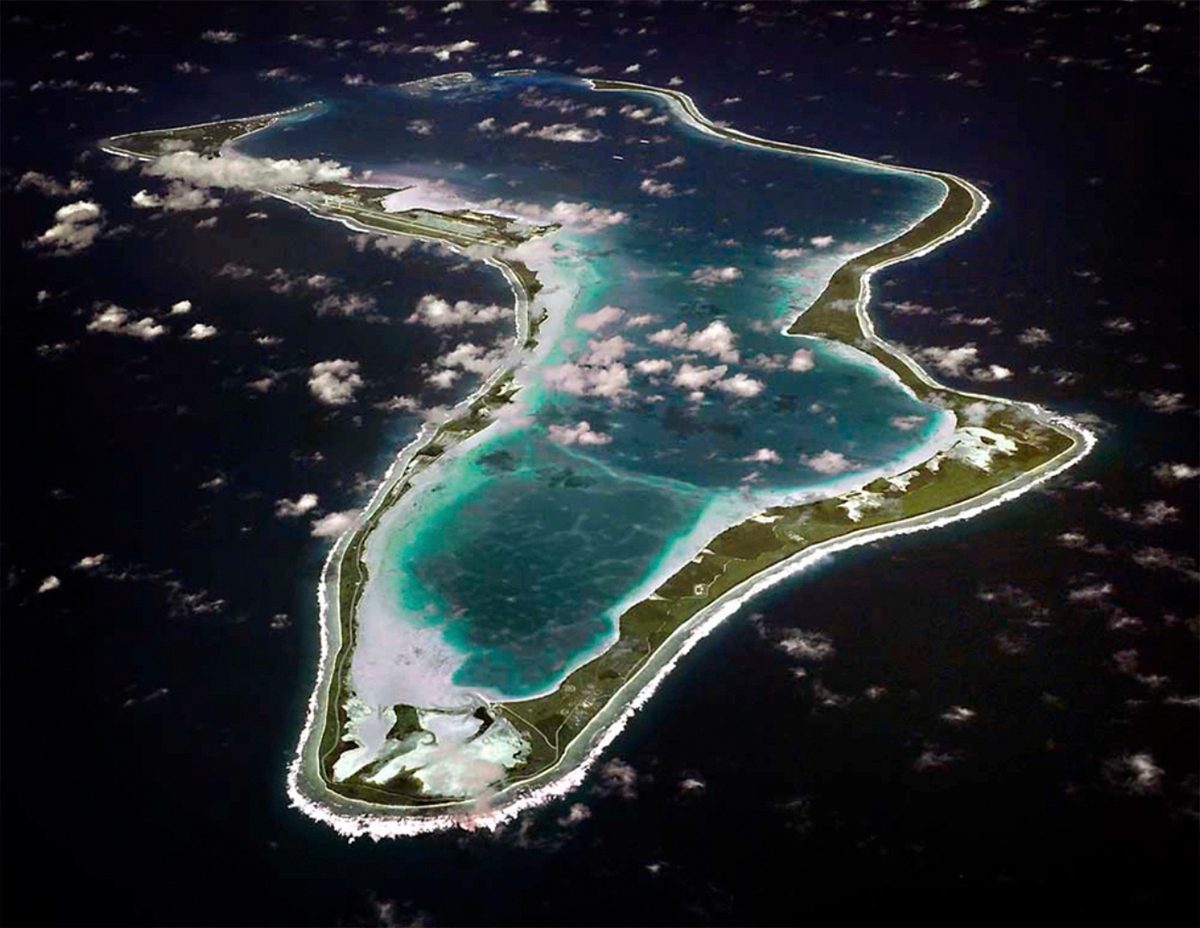
For years, the dance has been choreographed. A proxy strike here, a sanctioned tanker there. But a direct launch from sovereign territory onto a base housing the two most historical allies in the West is a scream in a room where everyone had been whispering. It broke the unspoken rule of "plausible deniability." Once the smoke cleared at the base, the question wasn't if there would be a response, but what shape that response would take.
The Ghost in the Machine
The retaliation didn't come in the form of a matching missile. That would be too simple. Too loud. Instead, the "attack" on the nuclear facility—likely Natanz or a similar subterranean hub—was characterized by the kind of precision that feels like magic to the uninitiated and like a nightmare to those in charge of the centrifuges.
To understand what happens inside a nuclear facility during an attack, you have to understand the fragility of the process. Uranium enrichment is a temperamental art. It requires thousands of carbon-fiber tubes spinning at speeds that defy intuition—faster than the speed of sound. If a single vibration enters the system at the wrong frequency, the machines don't just stop. They shred themselves. They become a whirlwind of jagged metal and wasted years.
When reports surfaced of "explosions" or "power failures" at these sites, we aren't talking about a suitcase bomb in a hallway. We are talking about the invisible hand of cyber-warfare or tactical sabotage.
Consider a lead engineer at the facility. We can call her Maryam. She has spent a decade of her life calibrating these machines. She knows their hum like a mother knows her child’s heartbeat. Suddenly, the monitors turn red. The cooling systems fail. The safety protocols, designed by the brightest minds in the country, simply refuse to engage. There is no intruder to shoot. There is no plane to intercept. There is only the sound of high-grade machinery disintegrating behind three meters of lead-shielded glass.
The Invisible Stakes
The media often frames these events as a score-sheet. Iran hits base. West hits facility. Score: 1-1. This is a dangerous oversimplification. The real stakes aren't the buildings or the machines; they are the "breakout time." This is the theoretical window of time it would take for a nation to produce enough weapons-grade material for a single nuclear device.
Every time a facility is set back by an attack, that clock is rewound. But every time the clock is rewound, the tension in the spring increases.
We often wonder why these nations don't just go to "all-out war." The reason lies in the terrifying efficiency of modern sabotage. If you can cripple a nuclear program without a single soldier crossing a border, you have achieved a military objective without the domestic political cost of a body bag. But for the people living in the shadow of these events, the "shadow war" feels plenty bright.
There is a psychological toll to living in a state of permanent, high-tech siege. When a facility is attacked, it sends a message to every citizen: Your most secure places are transparent to us. Your thickest walls are like paper.
The Geometry of Escalation
Why the UK-US base? Why now?
The alliance between London and Washington is often described in flowery, diplomatic terms. In the mud and heat of a shared military installation, that alliance is functional. It is about shared intelligence, shared logistics, and shared risk. By hitting a joint base, Iran attempted to see if there was any daylight between the two powers. They wanted to know if the UK would flinch or if the US would overreact.
Instead, the response was a surgical strike on the crown jewel of Iranian pride: their nuclear infrastructure.
This is the "proportionality" trap. In international law, a response should be proportional to the attack. But how do you measure the proportion of a missile that kills a few goats and breaks some concrete against a digital virus or a tactical explosion that sets a nuclear program back two years?
The math doesn't work. It’s not addition; it’s calculus.
The risk is that we are moving toward a "gray zone" where the rules of engagement are written in real-time by algorithms and intelligence officers. In this space, a single mistake—a miscalculated sensor, a stray bit of code, a panicked commander—doesn't lead to a diplomatic protest. It leads to a fireball.
The Human Core of the Conflict
We talk about "facilities" and "bases" because it is easier than talking about people. It is easier to say "Natanz was compromised" than to say "A thousand people ran for their lives into a desert night, wondering if the air they were breathing was now toxic."
It is easier to say "the base was targeted" than to discuss the phone call a sergeant has to make to a spouse in Leeds or Ohio, explaining that they are fine, but they won't be coming home for a while because the world just got a lot smaller.
The truth is that we are currently witnessing a race between two different kinds of power. On one side is the power of the atom—the old-world dream of ultimate energy and ultimate destruction. On the other side is the power of the network—the ability to reach across the globe and turn off a valve or crash a server with a keystroke.
The desert wind eventually covers the tracks of the vehicles and the scars in the earth. The scorched concrete of the UK-US base will be patched. The centrifuges in Iran will eventually be replaced by newer, faster models.
But the trust? That is gone.
We are living in an era where the front line is everywhere. It is in the electrical grid, it is in the server farms, and it is in the quiet vibration of a centrifuge spinning in the dark. The attack wasn't just on a building. It was an attack on the idea that any place is truly safe.
As the sun sets over the Iranian plateau, the technicians go back to work. They move a little slower. They look at the monitors a little longer. They listen for the hum. They wait for the moment the silence breaks again, knowing that the next time, the desert might not be the only thing that doesn't care about the cost.
The sirens have stopped, but the air is still vibrating.