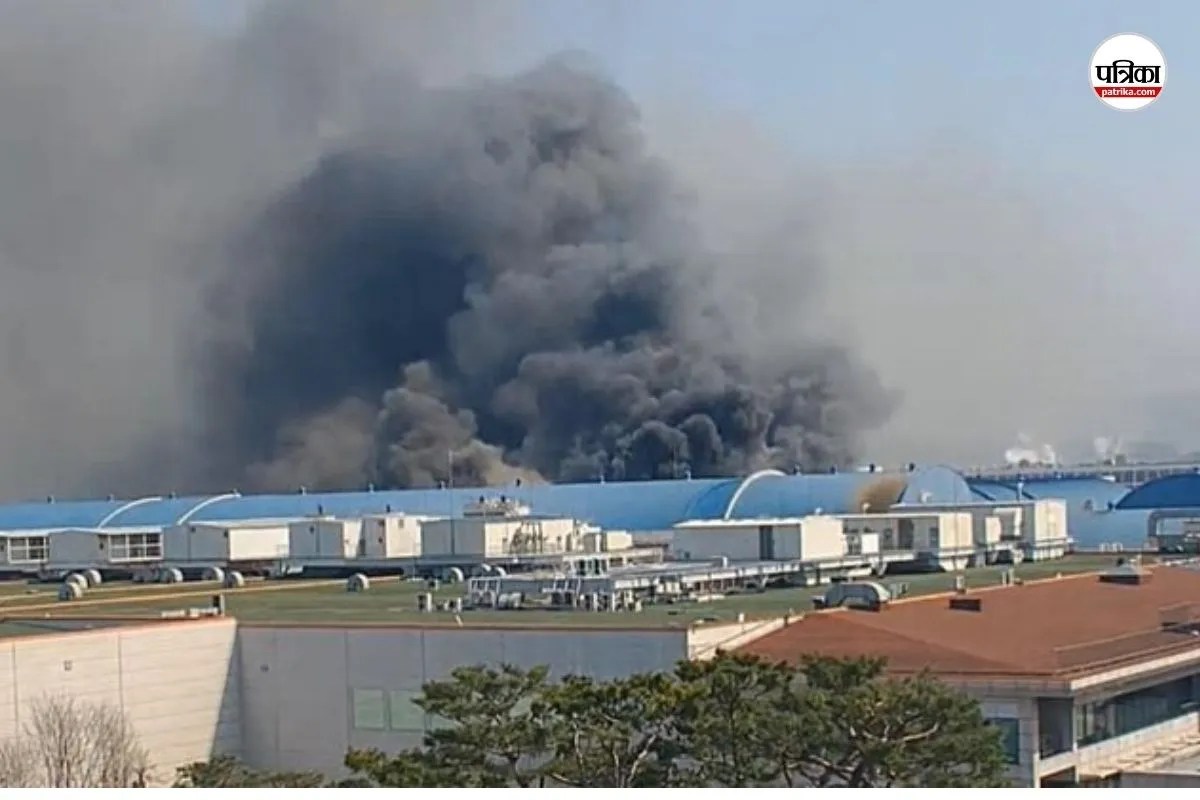
South Korea is reeling. A massive fire at a lithium battery plant in Hwaseong has claimed lives and left families shattered. It isn't just a tragic accident. It’s a wake-up call about the terrifying speed of industrial disasters. When lithium batteries catch fire, you don't have minutes to escape. You have seconds.
Emergency crews found the bodies of workers who didn't stand a chance. The intensity of the heat was so extreme that identifying the victims has become a slow, agonizing process. We’re talking about a chemical inferno that water often can't put out. This event has exposed a massive gap in how we handle high-tech manufacturing safety.
Why Lithium Fires are a Different Kind of Hell
Most people think a fire is just a fire. Grab an extinguisher and you’re good, right? Wrong. Lithium battery fires involve something called thermal runaway. This is a chain reaction where one cell overheats, pops, and then ignites the cell next to it. It’s like a row of firecrackers, but each one is filled with toxic chemicals and burns at temperatures exceeding 1,000 degrees Celsius.
Firefighters at the Hwaseong factory faced a nightmare. Standard water hoses can actually make a lithium fire worse by producing hydrogen gas. They had to use dry sand and specialized extinguishing agents. Think about that for a second. While people were trapped inside, the very thing we usually use to save lives—water—was practically useless.
The factory, owned by Aricell, was packed with finished battery cells. Reports suggest there were over 35,000 units stored in the area where the fire started. When the first explosion happened, it triggered a series of blasts that leveled the interior in moments. It’s a terrifying reminder that these batteries, which power our phones and cars, are essentially small chemical bombs if something goes wrong during production.
The Human Cost and the Oversight Gap
The toll is heavy. At least 22 people died, and most of them were foreign nationals. This highlights a persistent issue in South Korean industry. Large-scale manufacturing often relies on migrant labor from China and Southeast Asia. These workers frequently take on the "3D" jobs—dirty, difficult, and dangerous.
Witnesses say the fire moved so fast that workers on the second floor couldn't find the exit. Smoke from burning lithium isn't just thick; it's lethal. One breath of those hydrofluoric acid fumes can stop your lungs. It’s clear that the safety protocols in place weren't designed for a "worst-case" chemical event.
I’ve seen plenty of factory safety audits, and they usually focus on trips, falls, or machinery accidents. They rarely account for a building-wide chemical flashover. The Aricell disaster shows that having a fire exit isn't enough if that exit is blocked by a wall of toxic heat within thirty seconds of an alarm.
A National Crisis for the Tech Giant
South Korea pridefully calls itself a global leader in battery technology. Companies like LG, Samsung, and SK On are the backbone of the EV revolution. But this disaster at a smaller supplier like Aricell puts a massive dent in that reputation. The government is now under immense pressure to inspect every single battery facility in the country.
President Yoon Suk-yeol visited the site, looking at the charred remains of the concrete structure. But political visits don't fix systemic failures. The real problem is the lack of strict, specialized fire codes for lithium storage. If you’re storing 30,000 batteries, you shouldn't just have a sprinkler system. You need fire-rated containment zones that can withstand chemical blasts.
What Happens When the Smoke Clears
Investigation teams are currently digging through the rubble. They’re looking for the "patient zero" battery—the one cell that failed and started the carnage. Was it a manufacturing defect? Was it poor storage conditions in the summer heat? Whatever the cause, the impact on the global supply chain and local labor laws will be massive.
Companies are going to have to spend a lot more on safety than they’d like. Insurance premiums for battery plants are about to skyrocket. More importantly, the families of the workers, many of whom were in South Korea to send money back home, deserve more than just an apology. They deserve a total overhaul of industrial safety standards.
Immediate Changes Required for Battery Safety
If you work in or near any facility handling large-scale electronics, you need to know the risks. Don't assume the building is safe just because it passed a standard inspection.
- Demand Chemical-Specific Training: If your workplace uses lithium, you must be trained on thermal runaway, not just general fire safety.
- Check Ventilation Paths: Toxic smoke kills faster than heat. Ensure there are high-capacity exhaust systems that activate automatically.
- Audit Storage Density: Storing thousands of batteries in a single open floor plan is a recipe for a total loss. They need to be segmented into fireproof "cells."
- Verify Exit Accessibility: In the Hwaseong fire, workers were found huddled in a dead-end area. Exits must be clearly marked and reachable within seconds from any point on the floor.
The tragedy in South Korea isn't an isolated incident; it’s a warning. As we move toward a world powered by batteries, the cost of these energy sources cannot be measured in lives. It’s time to stop treating battery plants like traditional warehouses and start treating them like the high-hazard chemical environments they actually are. Stop waiting for the next disaster to update your safety manuals.