Two pilots are dead and dozens of passengers are recovering from injuries after a terrifying late-night collision at LaGuardia Airport. This wasn't a mid-air disaster or a mechanical failure in the traditional sense. It was a brutal ground collision between an Air Canada Express flight and an airport fire truck that should never have been on an active runway.
If you've ever flown into LaGuardia, you know how tight the layout is. It's a "postage stamp" airport where every inch of tarmac is a high-stakes chess match. On Sunday night, March 22, 2026, that match ended in a catastrophe that's left the aviation world reeling and a major U.S. hub at a total standstill.
Breaking Down the LaGuardia Collision
At approximately 11:47 p.m., Jazz Aviation Flight 8646—operating for Air Canada—was finishing its run from Montreal. The Bombardier CRJ-900 was touching down on Runway 4, a routine end to a short international hop.
At the same time, Port Authority emergency crews were scrambling. They weren't responding to the Air Canada flight; they were heading toward a United Airlines plane that had reported a strange odor on board. In the chaos of managing one emergency, a second, far more lethal one was created.
Air traffic control (ATC) audio, archived by LiveATC.net, captures the chilling sequence of events. A controller cleared "Truck 1" and its team to cross the runway. Seconds later, the realization of the impending impact set in. The radio transformed into a barrage of desperate commands: "Stop, stop, stop! Truck 1, stop!"
It was too late. The jet slammed into the fire truck at roughly 24 miles per hour. While that might sound slow for a car on a highway, for a multi-ton aircraft and a heavy rescue vehicle, it was a death blow. The impact sheared the nose of the plane, killing both the pilot and co-pilot instantly.
The Human Cost of a Ground Mishap
The images coming out of Queens this morning are haunting. The Air Canada jet sits on its tail, nose pointed toward the sky like it's trying to climb, but the cockpit is a shredded mess of wires and twisted metal.
- Fatalities: Two Canadian-based pilots.
- Injuries: 41 people on the plane and two Port Authority employees in the fire truck were hospitalized.
- Current Status: As of Monday morning, 32 have been released, but nine remain in serious condition.
Kathryn Garcia, Executive Director of the Port Authority, confirmed the deaths during a somber briefing. She noted that the fire truck was tipped onto its side from the force of the hit. It's a miracle more people weren't killed, especially considering the CRJ-900 was carrying 72 passengers and four crew members.
Why the ATC Audio is So Disturbing
The most gut-wrenching part of this story isn't just the "stop" commands. It's what happened after. The controller, clearly shaken and surrounded by the sound of alarms in the tower, continued to direct other traffic to ensure no more collisions occurred. He ordered a Delta flight on short final to "go around" immediately.
Then came the admission that will likely form the center of the National Transportation Safety Board (NTSB) investigation. The controller was heard saying, "I messed up. I tried to reach out to stop them. We were dealing with an emergency earlier."
This points to a classic "distraction error." When ground crews and controllers are focused on one emergency—in this case, the United flight with the odor—their situational awareness for routine traffic can dip. At an airport as congested as LaGuardia, a five-second lapse is all it takes.
The Investigation and Airport Closure
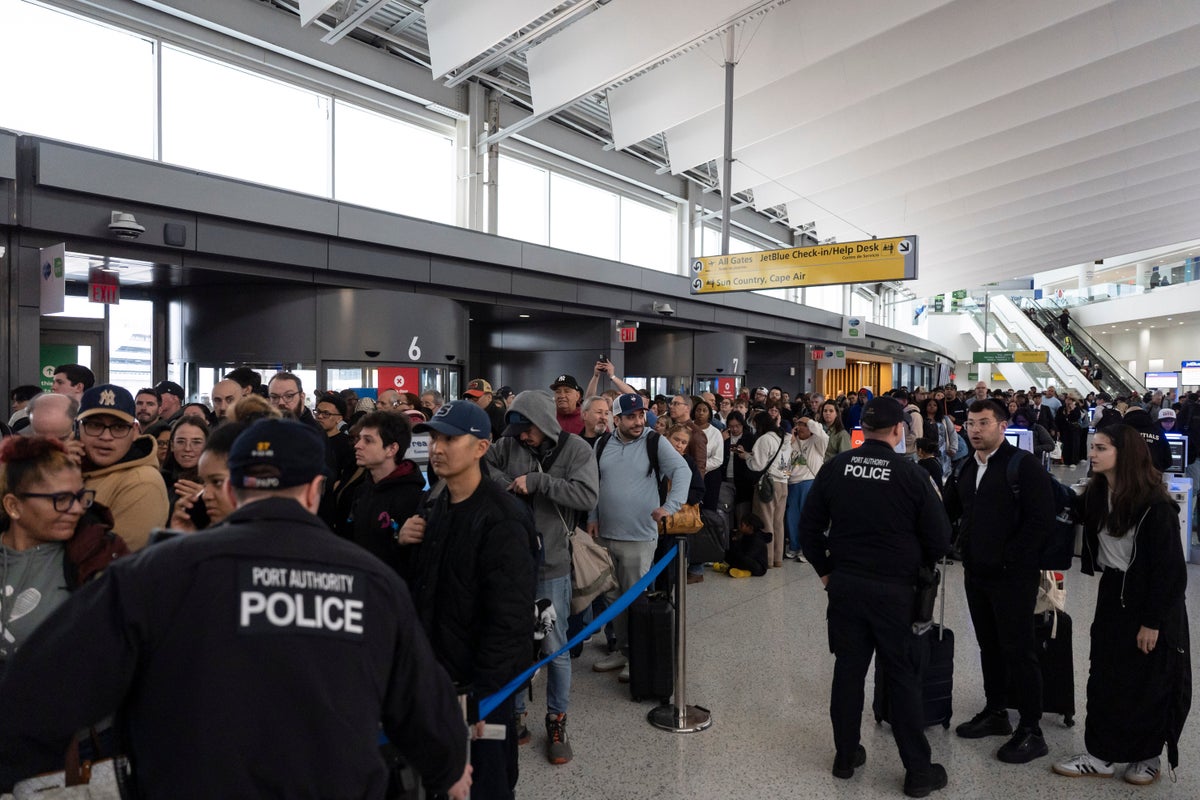
LaGuardia is currently a ghost town. The FAA issued a ground stop immediately after the crash, and the airport isn't expected to reopen until at least 2 p.m. ET on Monday. If you have a flight scheduled, don't even bother heading to the terminal. Check your airline app, because the ripple effects are hitting Newark and JFK hard.
The NTSB "go team" is already on-site. They'll be looking at:
- Communication Protocols: Why was a vehicle cleared to cross a runway where a plane was landing?
- Visual Aids: Were the runway status lights functioning?
- Staffing: Was the tower understaffed or was the team fatigued? Interestingly, some reports suggest security lines were already slow due to a federal funding lapse, though it's unclear if that hit the tower staff.
Ground Safety is the New Frontier
We spend a lot of time worrying about engines failing or wings falling off, but the "runway incursion" remains one of the most persistent threats in modern aviation. This isn't the first close call we've seen in the last couple of years. We've had near-misses in Austin, Newark, and JFK.
This time, the "miss" didn't happen.
The aviation industry has been pushing for better ground-radar tech and automated alerts that don't rely solely on a human controller's eyes. This tragedy will almost certainly accelerate the demand for those systems at every major airport in the country.
If you're traveling through New York today, your best bet is to rebook through a different hub or wait for Tuesday. LaGuardia’s Runway 4 is a crime scene right now, and the cleanup of a CRJ-900 with a sheared-off cockpit isn't a quick process. Stay off the Grand Central Parkway near the airport if you can; emergency vehicle traffic and rubbernecking are making the commute a nightmare.
Check your flight status directly with Jazz Aviation or Air Canada before making any moves. If you're stuck, look for transport to Long Island MacArthur or Islip as a relief valve, though those small airports are likely already hitting capacity.