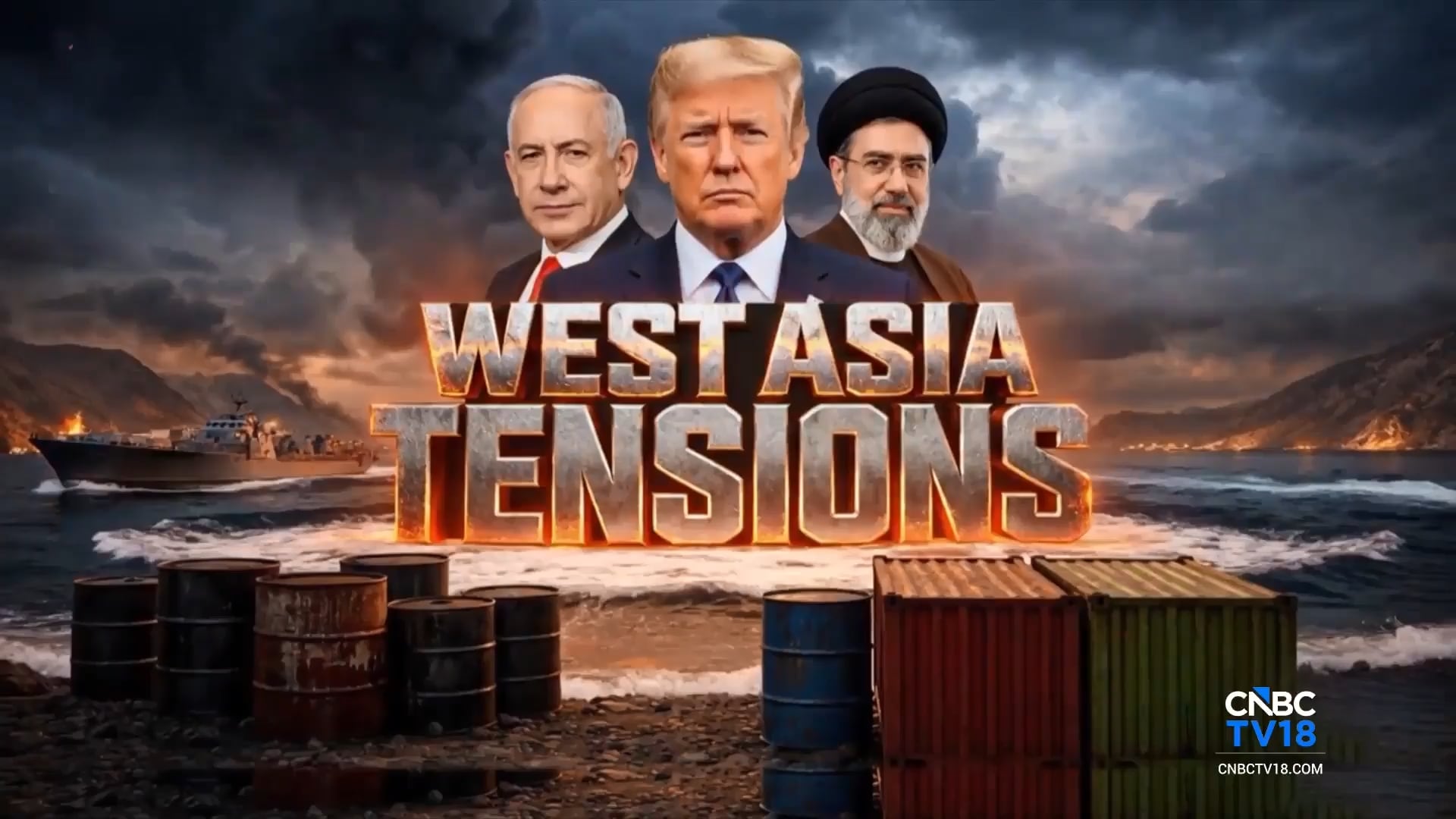
You'd think a six-week war involving the world’s most advanced military and a decapitation strike on your Supreme Leader would leave a regime begging for terms. But Tehran isn’t acting like it's beaten. Despite the smoke still rising from Natanz and the massive disruption of its proxy networks, Iran’s leadership has walked into a 14-day ceasefire with an air of "we can do this all year."
The reality on the ground is messy. Since Operation Lion’s Roar launched on February 28, 2026, the joint U.S.-Israeli campaign has systematically dismantled years of Iranian military investment. They killed Ayatollah Ali Khamenei. They hit the Fordow and Natanz enrichment sites. They even crippled the command structures of Hezbollah and what was left of the Syrian regime. Yet, Donald Trump just agreed to a two-week pause because the "annihilation" he promised turned into a logistical and economic nightmare that threatened to drag the U.S. into another "forever war" it didn't budget for.
The Strategy of Vertical Escalation
Iran’s survival isn't about winning a dogfight or sinking a carrier. It's about making the cost of victory so high that the other side settles for a draw. While the U.S. and Israel focused on surgical strikes and regime symbols, Tehran went "vertical." They didn't just hit military bases; they targeted desalination plants, data centers, and civilian hotels across the Gulf.
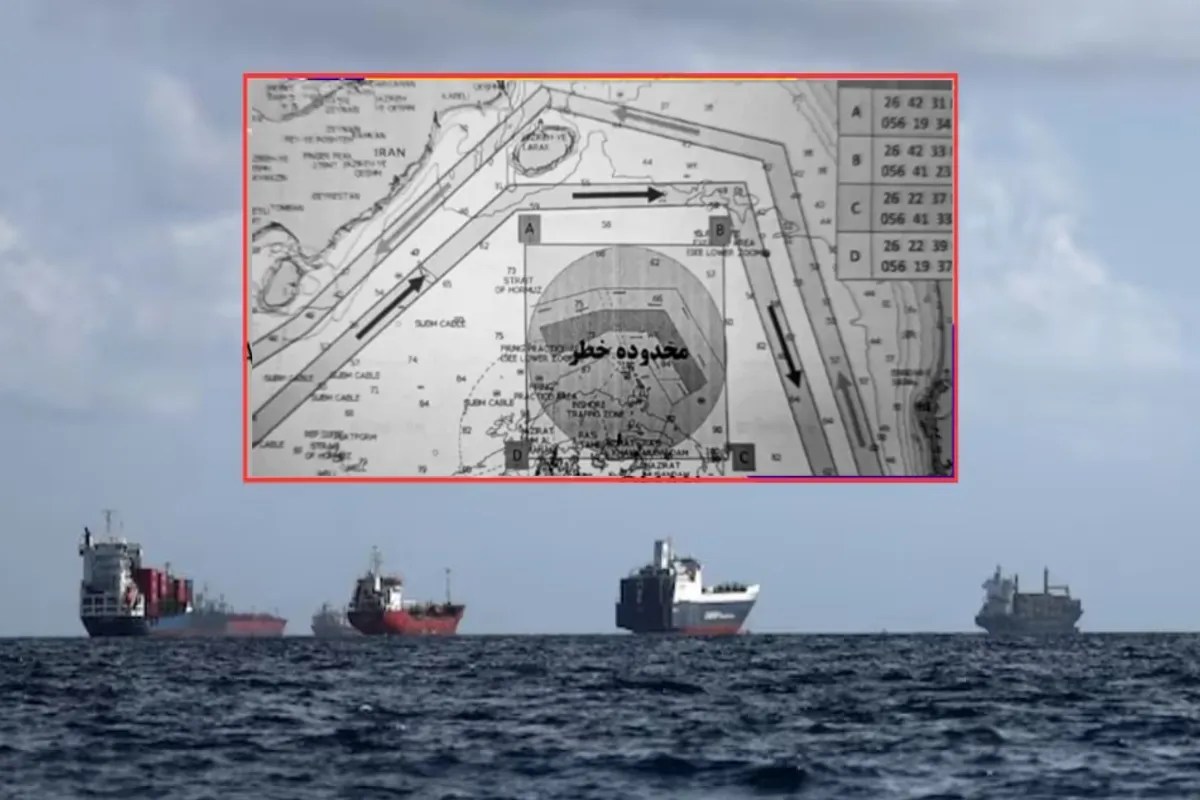
By hitting non-combatant neighbors like the UAE and Qatar, Iran proved that no one in the region gets to stay out of the splash zone. It’s a classic bully tactic, but it works. When the global price of oil spikes because the Strait of Hormuz is effectively a minefield, the pressure on Washington to "just make it stop" becomes heavier than the pressure on Tehran to surrender.
The Nuclear Shell Game
We’ve seen this play before. The IAEA reports that while seven major nuclear facilities were hit, thirteen others remain untouched. Iran has spent decades burying its most sensitive tech in mountains so deep that even bunker-busters struggle to reach them. Even with the strikes, intelligence suggests a "cruder, faster" path to a weapon is still on the table.
Tehran uses its nuclear program as a rechargeable battery for its diplomacy. They let you drain it a bit during a war, then use the remaining charge to demand sanctions relief during the truce. Foreign Minister Abbas Araghchi is already at the table in Oman, signaling that they'll stop enrichment—if the U.S. pays up. It's bold, bordering on delusional, but they know Trump wants a "deal" he can tweet about before the 2026 midterms.
Why the Proxy Network Isn't Dead Yet
A lot of analysts were quick to write obituaries for the "Axis of Resistance." Sure, Hezbollah is reeling and Hamas is a ghost of its former self, but Iran is already pivoting. They’ve signaled a shift toward the Houthis in Yemen to squeeze the Red Sea while the Strait of Hormuz remains locked down.
- Horizontal Expansion: Drawing in more countries to dilute U.S. focus.
- Infrastructure Terror: Hitting the "life support" systems of the Gulf states.
- Cyber Chaos: Targeting regional banking and energy grids.
The mistake we make is assuming the Iranian leadership cares about the state of their economy or the comfort of their citizens. They don't. They care about the survival of the system. By surviving the initial "Lion’s Roar" and killing a few weeks of time, they’ve shown their base—and their enemies—that the regime can’t be swiped away with a few hundred sorties.
The Economic Leverage of the Strait
If you want to know why there’s a ceasefire today, look at the price of gas. Iran’s threat to keep the Strait of Hormuz closed until April 6 sent a clear message. The U.S. can destroy Iranian refineries, but Iran can destroy the global economy’s circulation system.
The Gulf states are getting nervous. Some, like Qatar, are already asking for reparations. They aren't just mad at Iran; they’re frustrated that the U.S. protection hasn't stopped the missiles from hitting their apartment buildings. This creates a wedge between Washington and its partners, exactly what the leaders in Tehran want.
What Happens When the 14 Days Are Up
This ceasefire is a breather, not a peace treaty. Trump wants the Strait open. Iran wants the sanctions gone. Neither side is actually ready to give up their best leverage. If you're looking for what to do next, don't expect a return to the 2015 nuclear deal. That's dead. Instead, look for:
- Energy Market Volatility: Prices will stay high as long as the Strait is a question mark.
- Proxy Re-arming: Iran will use the 14-day window to sneak supplies to what's left of its militias.
- Internal Crackdowns: Expect the regime to use this "victory" to further crush domestic dissent.
Basically, the "battered" leaders in Tehran didn't just survive; they found a way to make their survival everyone else's problem. They’re betting that the West’s stomach for a long war is much weaker than their own. And honestly, they might be right.
If you're watching this unfold, keep your eye on the Oman talks. If the U.S. starts talking about "limited sanctions relief" just to get the tankers moving again, Iran has won this round. Don't buy into the "regime change" hype just yet—Tehran still has plenty of cards left to play.
Follow the movement of U.S. carrier groups in the next 72 hours. If they don't reposition to clear the Strait, the Iranians have successfully called the bluff. It's time to realize that "battered" doesn't mean "broken."