The High Price of Diplomatic Theater
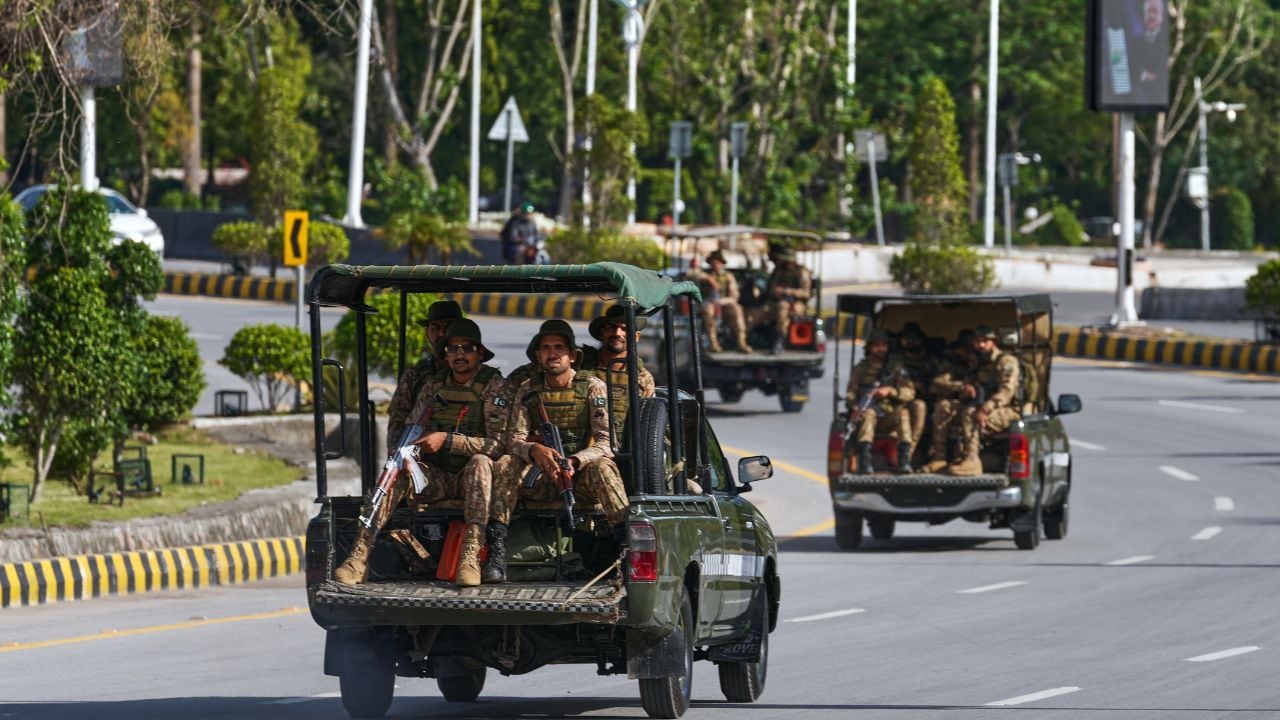
Islamabad is a ghost town today. Markets are shuttered, cellular signals are jammed, and the military is patrolling the Red Zone. The mainstream press is calling this a "pivotal moment" for US–Iran relations. They want you to believe that a public holiday and a massive security cordoning are the labor pains of a new era of regional stability.
They are wrong.
What we are witnessing in Pakistan isn't the birth of a peace treaty. It is a highly choreographed piece of diplomatic theater designed to mask the fact that neither Washington nor Tehran is ready to move an inch on the issues that actually matter. When a government shuts down its capital city to host a meeting, it isn't showing strength or commitment. It is signaling a desperate need to control the optics because the substance is nonexistent.
The Myth of the Neutral Ground
The "lazy consensus" among foreign policy analysts is that Pakistan serves as the perfect bridge—a neutral ground with ties to both the West and the Islamic Republic. This ignores the reality of the last three decades. Pakistan isn't a neutral arbiter; it is a nation navigating its own internal economic collapse while trying to remain relevant to two powers that largely view it as a logistical convenience or a tactical headache.
The idea that the geography of the meeting dictates its success is a fallacy left over from the Cold War. In a world of back-channel digital communication and Swiss-mediated diplomacy, physical summits in high-risk zones are about one thing: Visibility. Tehran needs to show its domestic audience that it isn't isolated. Washington needs to show its electorate that it is "exhausting all diplomatic avenues" before the next inevitable round of sanctions. Islamabad needs the prestige of being the host to distract from its staggering inflation and political instability. Everyone wins except the reality of peace.
Follow the Logic Not the Headlines
If you want to know if a peace talk is serious, look at the concessions made before the delegates land. Serious diplomacy happens in dark rooms months in advance. The public "summit" is usually just the signing ceremony.
When the summit is the news, it means nothing has been decided.
Look at the current variables:
- The Nuclear Question: Iran has already crossed thresholds that the US stated were non-negotiable five years ago. There is no "going back" to the 2015 framework.
- Sanctions vs. Survival: The US cannot lift sanctions without massive political blowback at home, and Iran cannot stop its regional proxy strategy because that strategy is its only viable defense mechanism.
- The Shadow Players: Israel and Saudi Arabia aren't in the room in Islamabad. Any deal struck without their tacit approval is dead before the ink dries.
Imagine a scenario where a CEO announces a "major merger" but hasn't looked at the target company's books, hasn't talked to the board, and hasn't secured the funding. That is what these talks look like to anyone who has actually worked in the machinery of statecraft.
The Security Paradox
The sheer scale of the Islamabad lockdown should be your first red flag. Why do you need a public holiday and a complete communication blackout for a peace meeting?
True security for high-stakes diplomacy is invisible. When it becomes this loud, it serves a dual purpose. First, it creates a sense of "emergency importance" to justify the inevitable lack of results. "We tried everything, we even shut down the capital!" Second, it prevents any organic protest or dissent from being captured by the international media.
By locking down the city, the Pakistani government has ensured that the only narrative coming out of Islamabad is the one they approve. This isn't "securing a meeting." It is narrative management. ## Why the Public Holiday is an Economic Insult
Calling a public holiday in a country facing a balance-of-payments crisis is malpractice. Every day the markets in Islamabad and Rawalpindi are closed, millions of dollars in productivity vanish. For a nation begging the IMF for its next tranche of credit, the optics of halting the economy for a photo op are disastrous.
The competitor articles talk about the "solemnity" of the occasion. I call it a vanity project. If the US and Iran wanted to talk, they could do it at the UN in New York or at a quiet villa in Oman without costing the Pakistani taxpayer a single rupee in lost trade.
Dismantling the "People Also Ask" Delusions
People are asking: Will this lead to lower oil prices? The answer is a flat no. Oil markets don't react to handshakes; they react to tankers moving through the Strait of Hormuz. Unless these talks end with a verified dismantling of naval blockades and a total lift of primary and secondary sanctions—which is not on the table—the price at the pump remains tied to OPEC+ quotas and global demand, not Islamabad's red carpet.
People are asking: Is Pakistan the new global mediator?
Pakistan is a country with nuclear weapons and a debt-to-GDP ratio that makes the eyes water. It is "mediating" because it needs friends on both sides. It is a survival tactic, not a shift in global leadership.
The Brutal Reality of Regional Hegemony
Peace between the US and Iran requires a fundamental shift in how both nations view the Middle East.
- The US must accept a permanent Iranian sphere of influence.
- Iran must accept a permanent US military presence in the Gulf.
Neither side is ready to concede these points. Tehran views the US presence as an existential threat. Washington views Iranian influence as a cancer on global trade routes. These are not "misunderstandings" that can be cleared up over tea in a fortified hotel. These are structural, geographic, and ideological contradictions.
The Islamabad summit is the geopolitical equivalent of a corporate retreat where everyone knows the layoffs are coming on Monday. You do the trust falls, you eat the expensive catering, and you smile for the group photo, but the underlying rot remains untouched.
The Strategy for the Informed Observer
Stop looking at the podiums. Stop counting the motorcade vehicles. If you want to know if these talks have teeth, watch the following three indicators:
- The IAEA Reports: If the International Atomic Energy Agency doesn't report a physical change in enrichment levels within 48 hours of this meeting, nothing happened.
- Treasury Department Licenses: Watch for quiet "General Licenses" issued by the US Treasury that allow for specific humanitarian or medical trade. These are the only real currency in US–Iran relations.
- Centrifuge Counts: Physical hardware is the only truth in nuclear diplomacy. Everything else is poetry.
I have seen governments spend billions on these spectacles only to return to the status quo within weeks. The "peace" being sold today is a temporary suspension of hostility for the sake of political breathing room.
The citizens of Islamabad are stuck in their homes, unable to work or move, all so two old enemies can pretend they are making progress. It is a high-stakes gamble with other people's time and money.
The meeting will end. The barricades will be moved. The diplomats will fly home. And the sanctions will remain. The centrifuges will keep spinning.
Don't mistake the silence of a locked-down city for the quiet of a lasting peace.
One is enforced. The other is earned.
This is just a holiday nobody asked for.