Iran just threw a massive wrench into the global energy gears. After the ceasefire agreement, everyone expected a cooldown. Instead, Tehran's move to limit traffic through the Strait of Hormuz to just 15 ships a day is a total shock. It’s not just a logistical headache. It’s a geopolitical power play that puts a chokehold on about 20% of the world's oil supply. If you thought the ceasefire meant stable gas prices, you're looking at the wrong map.
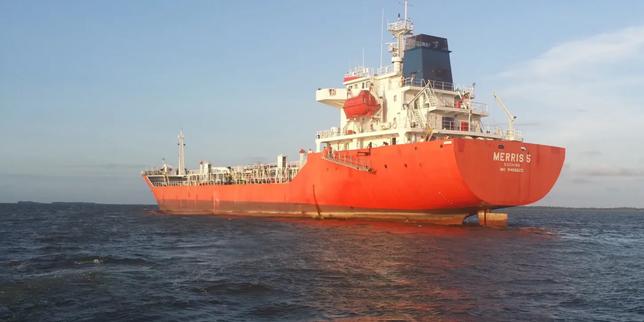
The Strait of Hormuz is the narrowest point in the world for oil tankers. Only 21 miles wide at its tightest spot, it’s the only way out of the Persian Gulf for Saudi, Iraqi, Kuwaiti, and Emirati oil. Normally, dozens of massive tankers push through these waters every single day. Cutting that down to 15 is effectively a blockade without calling it one.
Why the Ceasefire Triggered This Iranian Response
People usually think a ceasefire leads to open borders and relaxed navies. Not here. Iran's leadership sees the ceasefire agreement as a moment to consolidate leverage, not to back down. By restricting the flow of ships, they’re telling the world that they control the thermostat of the global economy. They’re basically saying that peace on one front doesn’t mean they’ll surrender their primary strategic asset on another.
The timing is what really stings. Global energy markets were just starting to breathe after months of volatility. This "15-ship rule" creates an artificial bottleneck. It forces shipping companies into a bidding war for those limited slots. It also makes insurance premiums for these vessels skyrocket. When a ship sits idle waiting for its turn to pass, it’s burning money. That cost gets passed directly to you at the pump.
The Math Behind the 15 Ship Limit
Let’s look at the numbers. On a standard day, the Strait sees roughly 20 to 30 large tankers carrying crude and liquefied natural gas (LNG). Dropping that to 15 isn't a minor trim. It’s a 50% slash in capacity.
- Daily Oil Flow: Usually around 21 million barrels.
- The Impact: A 15-ship limit could potentially trap 7 to 10 million barrels of oil inside the Gulf daily.
- The Backlog: Within a week, you have a floating parking lot of over 100 tankers.
This isn't just about oil either. Qatar uses this route for almost all its LNG exports. If Europe is relying on Middle Eastern gas to replace Russian supplies, this Iranian decision hits them where it hurts most during the winter months.
How Shipping Giants Are Reacting to the Bottleneck
Maersk, MSC, and Hapag-Lloyd aren't just sitting around. They're already rerouting what they can, but here's the kicker: there is no easy way around Hormuz. You can't just drive a tanker across the desert.
Some companies are looking at pipelines that bypass the Strait, like Saudi Arabia’s East-West Pipeline or the Abu Dhabi Crude Oil Pipeline. But these have limits. They can't handle the sheer volume that the ships do. Plus, they're static targets. Ships can move; pipes can't.
Industry experts are calling this "gray zone warfare." It's not a shooting war, but it has the economic impact of one. Iran claims this is for "maritime safety" or "environmental monitoring" after the conflict, but nobody’s buying that. It's a clear signal to the West and its regional rivals that Iran still holds the keys to the engine room.
Risk Assessments and Insurance Nightmares
If you’re a ship owner, your biggest fear isn't just the delay. It’s the "War Risk" premium. Lloyd’s of London and other insurers don’t like uncertainty. When Iran starts dictating specific numbers of ships, the risk of seizure or "inspections" goes up.
In the past, we've seen Iran seize tankers like the Stena Impero as retaliation for various sanctions. This new 15-ship limit gives the Iranian Revolutionary Guard Corps (IRGC) a perfect excuse to stop, board, and delay any vessel they want under the guise of "managing the quota." It's a legalistic way to harass international trade.
The Ripple Effect on Global Inflation
Central banks around the world have been fighting to bring inflation down. Energy prices are the biggest driver of that inflation. When the cost of transport and the price of crude go up because of a bottleneck in the Middle East, everything else follows. Food, manufacturing, and travel costs all climb.
It’s a domino effect.
- Supply Drops: Less oil hits the market.
- Prices Spike: Brent Crude reacts instantly to the news.
- Transport Costs: Shipping rates for the remaining 15 slots go through the roof.
- Consumer Impact: You pay more for basically everything.
Iran knows this. They’re using the global economy as a shield. They figure that if they make things painful enough for the US and Europe, those countries will pressure Iran's regional rivals to play ball with Tehran’s post-ceasefire demands.
What Happens if the Limit Stays in Place
If this becomes the "new normal," we're looking at a fundamental shift in how oil is traded. We might see a permanent "Hormuz Premium" added to the price of oil.
Countries like India and China, who are the biggest buyers of Persian Gulf oil, are caught in the middle. They need the energy to keep their economies moving. If they can't get it through Hormuz, they might start putting their own naval escorts in the water. That’s a recipe for a standoff.
We’ve seen the "Tanker War" of the 1980s. History has a nasty habit of repeating itself when it comes to this specific stretch of water. Back then, it took a massive international naval presence to keep the lanes open. We might be heading back to that reality sooner than anyone expected.
Immediate Steps for Energy Markets
You need to watch the "Time Spreads" in the oil market. If the price for oil today starts trading at a massive premium compared to oil for delivery in six months (a situation called backwardation), it means the market is panicking about an immediate shortage.
Strategic Petroleum Reserves (SPR) in the US and other IEA countries might be tapped again. But that’s a temporary fix. You can't replace the daily flow of the Strait of Hormuz with stored oil forever.
The real test will be how the US Navy and its allies respond. They've traditionally guaranteed "freedom of navigation" in the region. If they ignore this 15-ship limit, it could lead to a direct confrontation. If they accept it, Iran has effectively won control over the world's most important trade route.
Watch the ship tracking data. If the number of vessels passing through actually drops to 15 and stays there for more than 48 hours, expect a massive jump in market volatility. Keep an eye on the Singapore and Fujairah bunkering hubs; they'll be the first to show the signs of a massive backlog. If you're invested in energy or shipping, it's time to tighten your stops and look at the volatility index. The ceasefire didn't bring peace; it just changed the tactics.