The first 48 hours of any modern conflict are usually described as the "decisive window." Military theorists love to talk about shock and awe, the rapid decapitation of command, and the immediate collapse of enemy will. But as the smoke clears from the opening salvos of the 2026 conflict between the United States, Israel, and Iran, the data tells a much messier story. If you expected a clean, surgical conclusion by the third day, you weren't paying attention to the strike patterns.
Operation Epic Fury didn't follow the old Baghdad playbook. Instead of a single knockout blow, the first 48 hours revealed a calculated, high-volume atmospheric scrub that hit over 1,750 targets. But here's the thing: Iran didn't fold. They pivoted. The data suggests that while the US and Israel achieved "local air superiority" almost instantly, the strategic reality on the ground became more complicated, not less.
The 48 Hour Surge by the Numbers
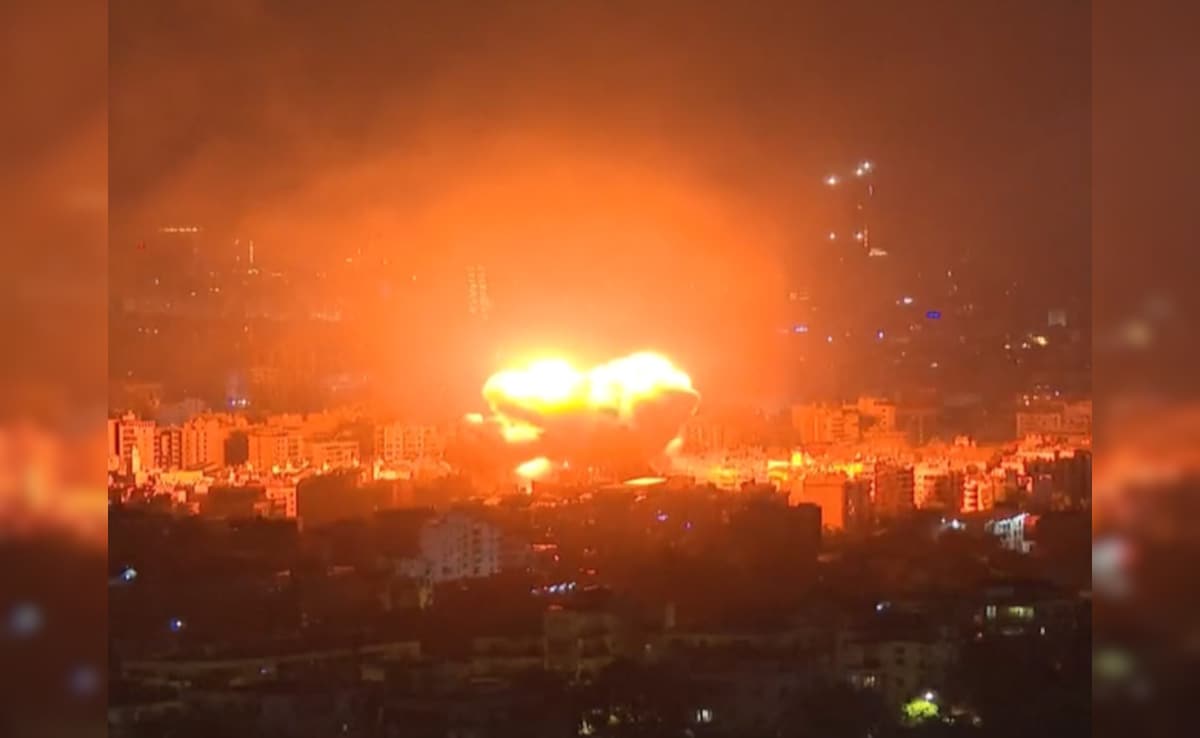
In the first day alone, CENTCOM data shows US forces engaged over 1,000 targets. The Israeli Air Force (IAF) chipped in another 750. We're talking about a level of coordination that makes previous Gulf wars look like a rehearsal. They went after the "low-hanging fruit" first: long-range radar, surface-to-air missile (SAM) sites, and known ballistic missile silos.
By the 48-hour mark, the strike pattern shifted. The initial "General List" was exhausted, and the tempo naturally slowed. You can't maintain a 1,000-target-per-day pace forever without burning out your crews and your airframes.
- Day 1-2: Massive saturation of static military infrastructure.
- Day 3 and Beyond: A shift toward "dynamic targeting"—hunting mobile launchers and responding to real-time intelligence.
Most analysts missed the "munitions transition." In those first two days, the US used high-end, expensive stand-off missiles. Once the Iranian air defenses were effectively blinded, they swapped to cheaper, short-range precision bombs. It's a sign of confidence, but also a realization that this is going to be a long, expensive grind of attrition.
What the Iranian Response Reveals
Iran’s retaliation during that critical 48-hour window was surprisingly disciplined. They didn't dump their entire arsenal at once. Instead, they launched roughly 700 drones and 200 missiles in the first 72 hours—a significant number, but far below their total estimated capacity.
This tells us two things. First, the US-Israeli strikes successfully "suppressed" their ability to launch in mass. When 70% of your ballistic launchers are disabled or hiding in a hole to avoid being hit, your "salvo density" drops. Second, Tehran is playing for time. They’re using a "trickle" strategy to keep regional air defenses (like those in Saudi Arabia and the UAE) constantly on edge without exhausting their own remaining stockpiles.
The target selection from the Iranian side was equally telling. They didn't just aim for military bases. They went for the "economic jugular." Strikes on desalination plants in the Gulf and energy hubs like the Sharan Oil depot weren't accidents. They’re holding the region's water and power hostage to force a diplomatic off-ramp. It’s a move of desperation, sure, but it’s also highly effective at rattling global markets.
The Resilience Trap
There’s a common mistake in thinking that "destroyed targets" equals "won war." The data from organizations like CSIS and the Institute for the Study of War (ISW) shows that while the US has established air superiority, the Iranian "Axis of Resistance" is far from neutralized.
Iran’s military doctrine is built on dispersion. You can blow up a building in Tehran, but you can’t easily find a dozen guys with a mobile drone launcher hidden in a date grove in Iraq or a mountain pass in Yemen. This "horizontal escalation" is where the 48-hour victory myth dies. The conflict didn't stay contained to the Iranian borders; it bled into the Red Sea, the Bab al-Mandeb, and the streets of neighboring capitals.
Where the Strategy Hits a Wall
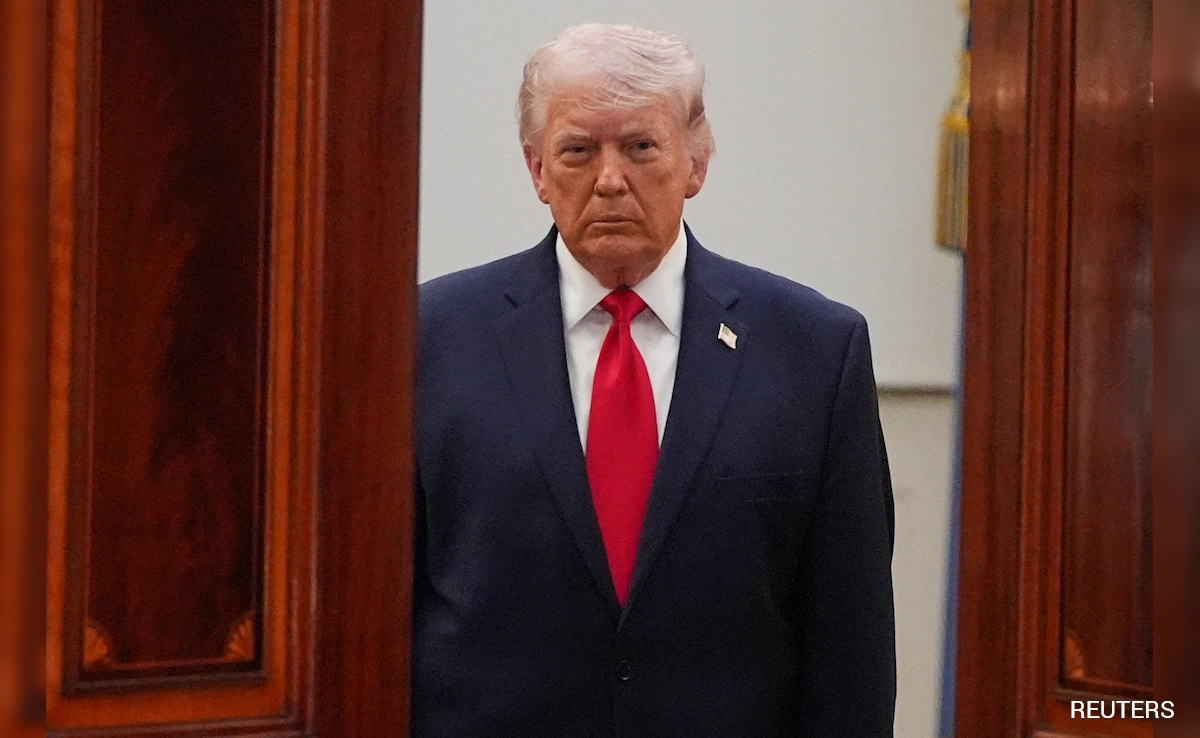
President Trump declared the fight "militarily WON" on social media, but the data on the ground says otherwise. We’re seeing a gap between "operational success"—hitting the targets—and "strategic clarity"—actually ending the threat.
The US and Israel have decapitated much of the Iranian leadership, including the transition following the death of Supreme Leader Ali Khamenei, but the machine keeps running. The "regime change from the skies" theory is being tested, and so far, it’s failing to produce a stable outcome. Protests inside Iran have weakened the government, but a cornered regime with its back to the wall is often the most dangerous.
Moving Beyond the Opening Salvos
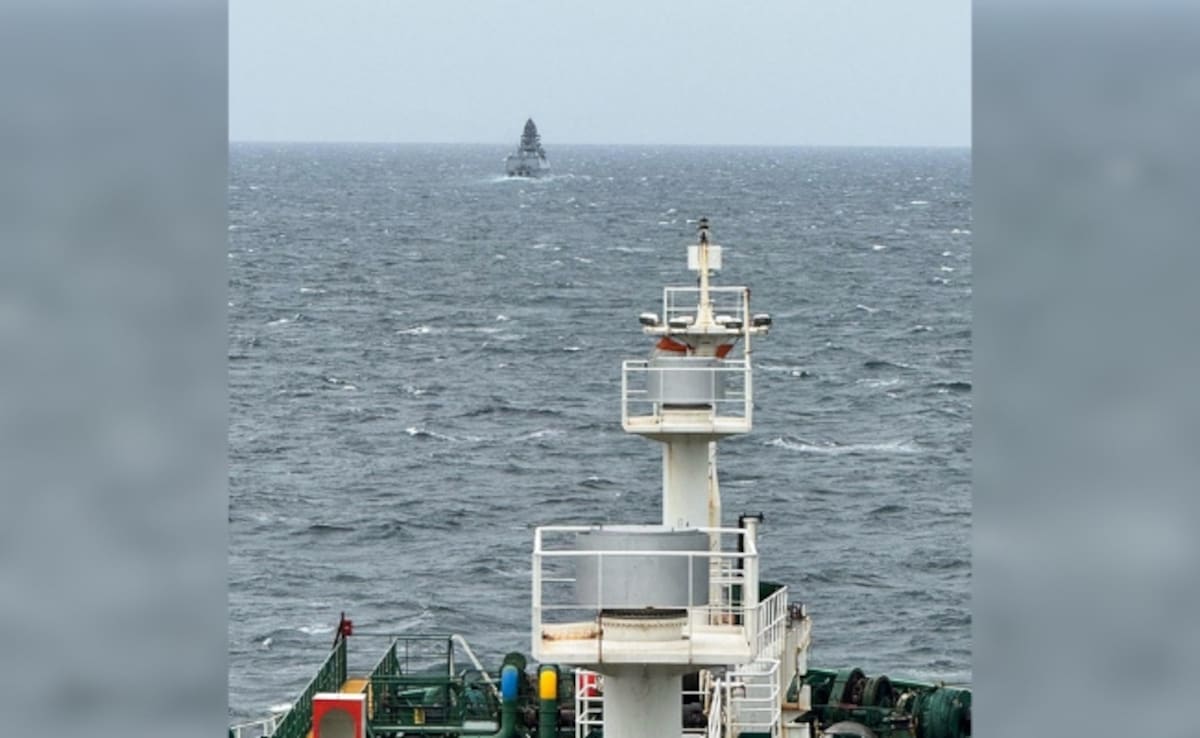
If you're looking for what happens next, stop watching the big explosions and start watching the logistics. The real war is now about how quickly Iran can rebuild or smuggle in replacement parts for its drone fleet, and how long the US can maintain a presence in contested waters where insurance rates for shipping have surged by 400%.
The next steps for anyone tracking this conflict:
- Watch the Strait of Hormuz: If it remains closed or highly contested, the global GDP contraction predicted by Goldman Sachs (up to 14% for some Gulf nations) becomes a reality.
- Monitor the "Munition Mix": If the US starts running low on specific precision kits, the air campaign will have to scale back even further, giving Iran room to breathe.
- Check the Coalition Unity: Saudi Arabia and the UAE are intercepting Iranian missiles at high rates (80-90%), but their patience for being the "buffer zone" isn't infinite.
The first 48 hours gave us the data of a lopsided military victory, but the days since have given us the reality of a geopolitical nightmare. The war didn't change because the strikes stopped; it changed because the target moved from the battlefield to the global economy.