The Strait of Hormuz is currently the most expensive 21 miles of water on the planet. With global energy markets teetering on the edge of a total breakdown, Iran just played a card that confirms it's thinking three moves ahead of everyone else. The Iranian Embassy recently put out a message that was surprisingly blunt: "Our Indian friends are in safe hands, no worries."
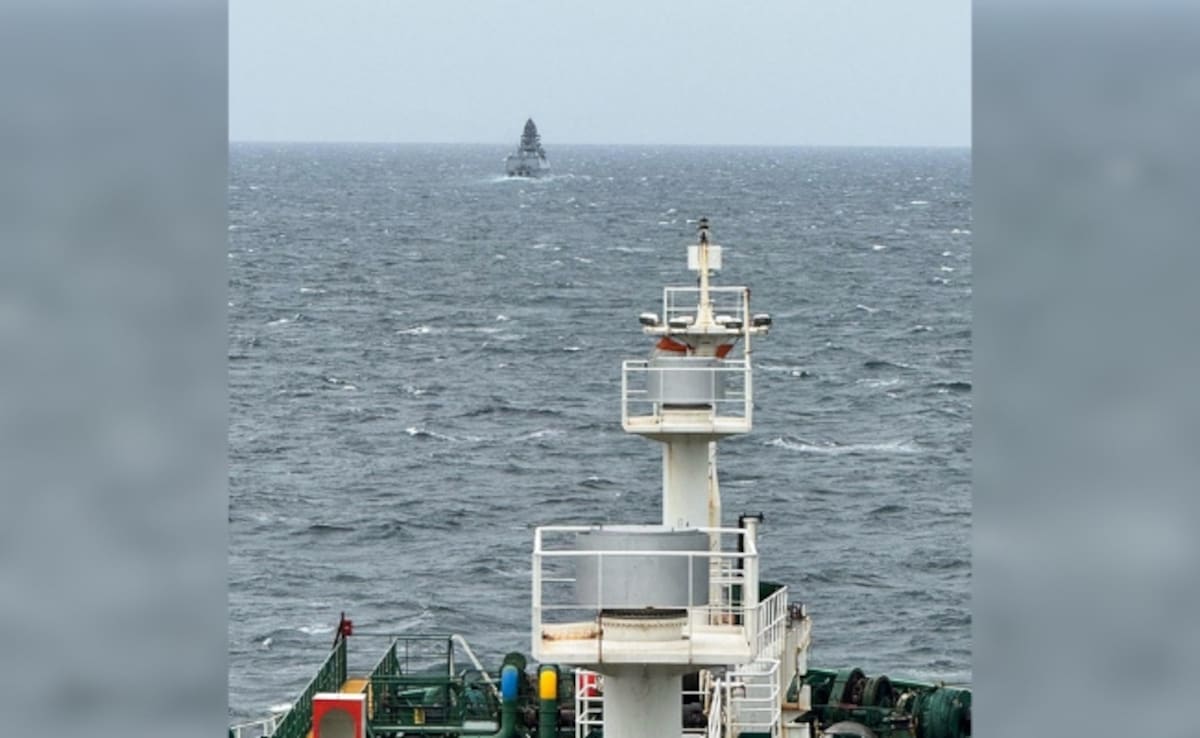
It sounds like a friendly neighbor checking in, but don't be fooled. This isn't just about being a good pal. It's a calculated move to keep the world’s third-largest energy consumer from siding with the West. While US and Israeli ships are effectively persona non grata in these waters, Indian-flagged vessels carrying LPG and LNG are being waved through.
The Logistics of Selective Blockades
Let's look at the numbers because they’re terrifying. In 2025, roughly 20 million barrels of oil per day moved through this chokepoint. That’s a quarter of the world’s seaborne oil trade. India gets about 44% of its crude and nearly two-thirds of its LNG through this tiny gap between Iran and Oman. If that tap stays shut, the Indian economy doesn't just slow down—it hits a wall.
Iran’s Ambassador to India, Mohammad Fathali, didn't stutter when he confirmed that Tehran would provide safe passage. He called it a "common fate." It’s a powerful phrase. By ensuring Indian ships can still pass while others are blocked or harassed, Iran creates a tiered system of maritime security. They’re effectively saying they decide who gets to keep their lights on and who doesn't.
This isn't a total closure of the Strait, and that's the point. A total closure would force a global military response that even Tehran might not want to gamble on. By allowing "friendly" nations like India, China, and Turkey to pass, Iran prevents a unified global front from forming against them. It’s hard to convince New Delhi to join a "freedom of navigation" coalition when their own ships are the only ones moving freely.
Why India Cant Just Walk Away
You might wonder why India doesn't just find another route. The reality is there aren't any. Saudi Arabia and the UAE have pipelines that can bypass the Strait, but their combined capacity is only around 5 million barrels per day. That’s a drop in the bucket compared to the 20 million barrels that usually flow through.
India’s Ministry of External Affairs confirmed that six ships carrying critical energy supplies just cleared the Strait safely. This happened right after a high-level call between Prime Minister Narendra Modi and Iranian President Masoud Pezeshkian. The diplomacy is working, but it’s a tightrope walk. India has to maintain its strategic partnership with the US while essentially accepting a "hall pass" from Iran to keep its economy breathing.
The Asymmetric Advantage
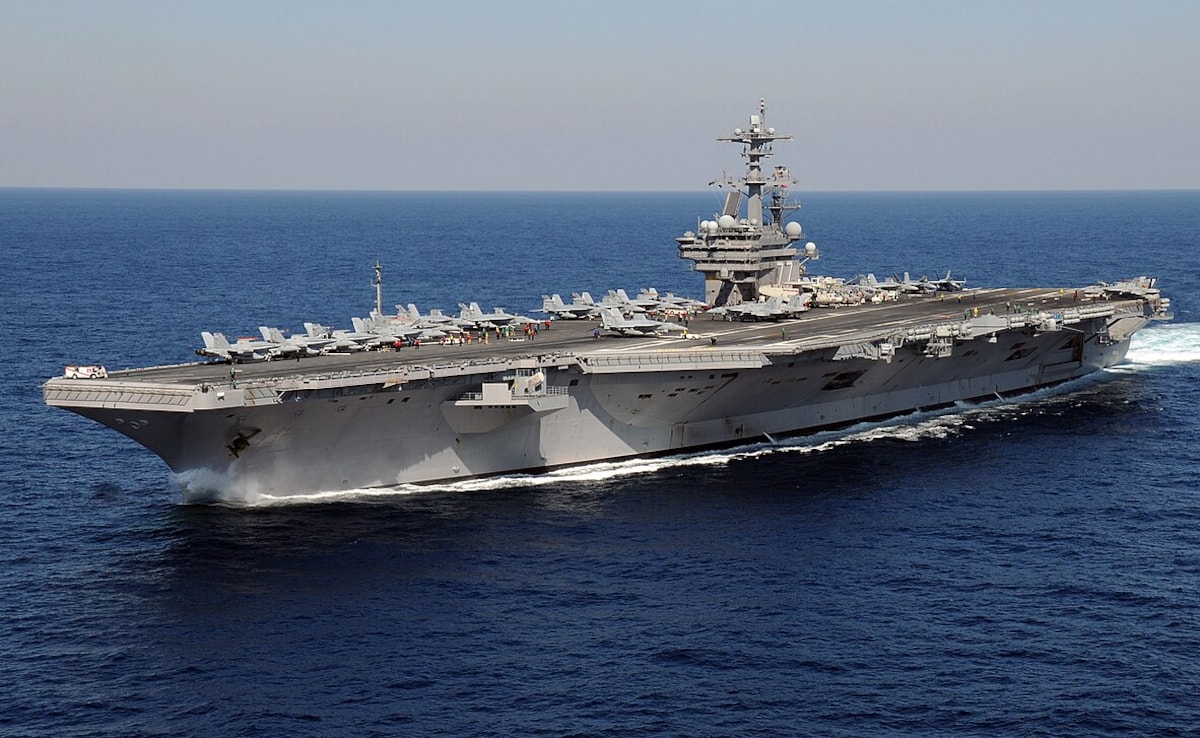
Iran’s control over the northern coastline gives them what military planners call "interior lines." They can hide mobile missile batteries in the mountains and deploy fast-attack boats from dozens of small coves. Even with the US Navy's technological edge, clearing those threats in such a cramped space is a nightmare.
The IRGC has been using asymmetric tactics to target vessels they deem hostile. But for Indian-flagged ships, the instructions from Tehran are clear: "Pave the way." This selective enforcement turns a global waterway into a private gate, and right now, India has the key.
What This Means for Your Fuel Prices
If you're sitting in New Delhi or Mumbai, this is the only reason your petrol prices haven't tripled overnight. The IEA recently released 400 million barrels from strategic reserves to steady the global market, but that's a band-aid. The real stability comes from the fact that the oil is still moving, even if it's only for a chosen few.
The risk hasn't vanished. Insurance premiums for any ship entering the Gulf of Oman are astronomical. Even if Iran says you're "safe," a stray mine or a case of mistaken identity doesn't care about diplomatic assurances. We saw this during the Tanker War in the 80s, and we're seeing a more high-tech version of it now.
The Real Cost of Friendly Status
Being a "friend" of Iran in this context comes with strings. It means India has to remain neutral in a conflict that is increasingly polarising the globe. It means resisting pressure from Washington to join maritime task forces. Basically, India is paying for its energy security with its diplomatic flexibility.
If you’re tracking this situation, watch the ship transits. Don't look at the rhetoric; look at the flags on the tankers. As long as Indian ships are moving, the Indian economy stays afloat. The moment that "safe hands" promise wavers, the global energy crisis enters a much darker phase.
If you're managing supply chains or invested in energy markets, you need to be watching the daily transit reports from the MEA. Don't wait for the mainstream headlines to tell you the Strait is closed—by then, the price hike will already be at your local pump. Keep an eye on the "friendly nation" list, because in 2026, that list is the only thing keeping the global economy from a total blackout.