The global agrifood system is not failing because of a lack of grain, but because of a sudden, violent shortage of the invisible chemicals that make that grain grow. While headlines fixate on the exchange of fire between U.S.-Israeli forces and Iran, the true casualty of the 2026 Middle East conflict is the nitrogen-based life support system of modern civilization.
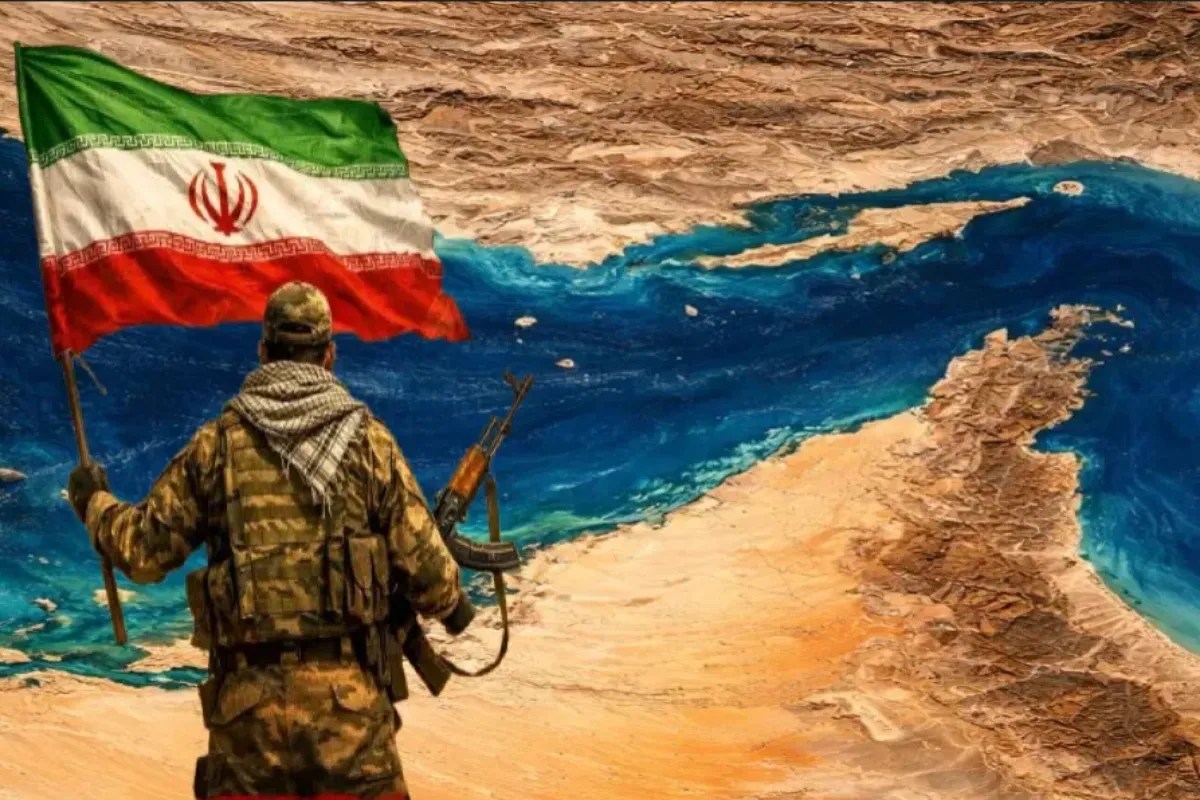
Within days of the February 2026 strikes, the Strait of Hormuz—a 21-nautical-mile artery—effectively seized up. For the average consumer, this means expensive gasoline. For the global farmer, it is an existential crisis. The Persian Gulf is not just an oil hub; it is the world’s premier producer of urea and ammonia, accounting for roughly 30% of global urea exports and nearly half of the world’s sulfur trade. Without these, the "Green Revolution" that feeds 8 billion people begins to reverse in real-time. Read more on a similar issue: this related article.
The Nitrogen Trap
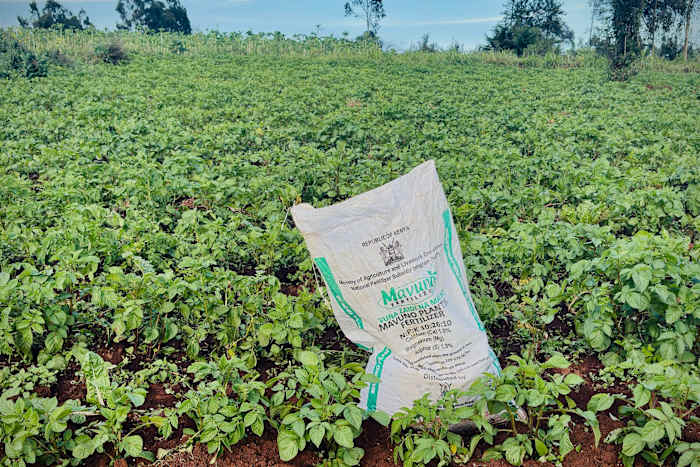
Most people don't think about urea until it's missing. It is a concentrated nitrogen fertilizer synthesized from natural gas via the Haber-Bosch process. When the Strait closed, 3 to 4 million tonnes of fertilizer trade vanished from the market per month.
The speed of the collapse is what distinguishes this crisis from the 2022 Ukraine shock. While Ukraine was a breadbasket, the Gulf is the "input engine." In early March 2026, Middle East granular urea prices surged 20% in a single week. In the United States, the cost of a ton of urea jumped from the equivalent of 75 bushels of corn to 126 bushels in less than 90 days. This isn't just inflation; it’s a total decoupling of input costs from output value. More reporting by Financial Times explores related perspectives on the subject.
Why Bread is the New Oil
The "why" behind the coming food riots in the Global South is a matter of brutal geography. Countries like India, which sources 40% of its urea from the Gulf, are watching their domestic manufacturing stall as the price of Liquefied Natural Gas (LNG) feedstocks hits the moon.
- South Asia: In Bangladesh and Sri Lanka, the rice harvest is currently under threat. Farmers who cannot afford the 15-20% price hike on fertilizers are simply applying less.
- Sub-Saharan Africa: Nations like Kenya and Tanzania are at the end of the supply chain. They face a "double whammy" of surging shipping insurance—adding up to $4,000 per container—and physical scarcity.
- The GCC Paradox: The wealthy Gulf states, despite being the producers, are ironically the most vulnerable. They import over 80% of their calories. When the physical route is blocked, their sovereign wealth funds cannot buy food that isn't on the shelves.
The Biofuel Cannibal
A factor almost entirely overlooked by mainstream analysts is the Biofuel Feedback Loop. As oil prices breached $120 per barrel in March 2026, the profitability of turning corn, soybean oil, and palm oil into fuel skyrocketed.
This creates a predatory competition between the fuel tank and the dinner plate. When energy is expensive, we stop eating our crops and start burning them to keep the lights on. This diversion of feedstocks further tightens a grain market already reeling from an 18% projected shortfall in global wheat harvests due to a concurrent "compound weather event" across the Northern Hemisphere.
The Strategic Reserve Illusion
The world has spent fifty years perfecting strategic petroleum reserves. We have zero strategic reserves for nitrogen. Unlike oil, which can be pumped and stored, fertilizer production is a "just-in-time" industry.
When a plant in Qatar declares force majeure—as happened earlier this month—there is no backup. The global market is currently operating without a net. China, usually a major exporter, has largely restricted its own fertilizer outflows to protect domestic food security, leaving the West and the Global South to fight over the remaining scraps.
The Only Path Out
Fixing this requires more than just a ceasefire. It requires a fundamental shift in how we define "critical infrastructure."
If we continue to concentrate 30% of the world's agricultural inputs in a single 39km passage, we are consenting to periodic global famines. The immediate move for G20 nations must be the creation of a Multilateral Fertilizer Reserve, mirrored after the International Energy Agency’s oil protocols. Simultaneously, the "Haber-Bosch 2.0" movement—decentralized, green ammonia production using local renewable energy—must move from a venture capital dream to a national security mandate.
Audit your supply chains for "Hormuz Exposure." If your business relies on corn, wheat, or soy, you are no longer in the agrifood business; you are in the Middle East geopolitics business.