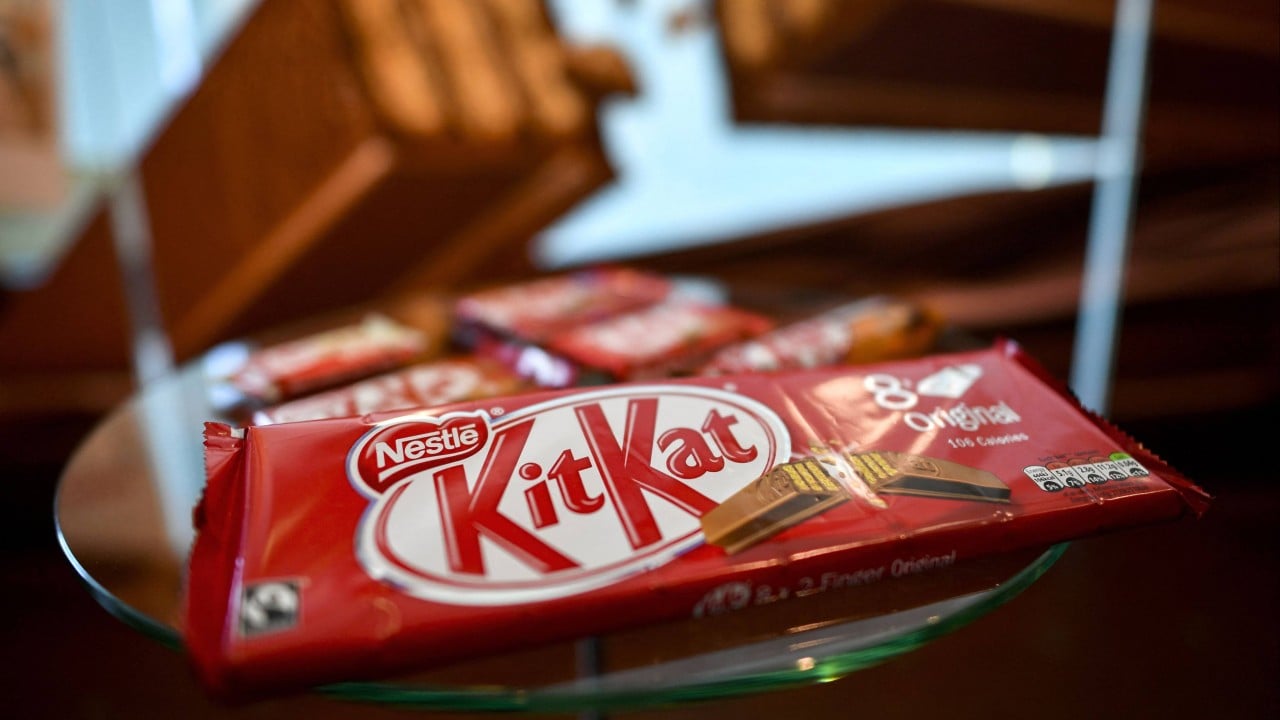
The headlines are predictable. They treat 400,000 stolen KitKats like a freak occurrence or a clever heist worthy of a Hollywood script. They focus on the "12 tonnes" and the "audacity" of the thieves. It’s lazy journalism for a lazy industry.
If you think this is about chocolate, you’ve already lost. This isn't a story about a sugar heist. It’s a glaring indictment of the systemic incompetence embedded in global logistics. When nearly half a million units of a global brand can simply vanish into the ether, it’s not because the thieves were geniuses. It’s because the systems we trust are built on a foundation of outdated handshakes and digital smoke screens.
The Myth of the Sophisticated Heist
Let’s burn the first straw man: the "mastermind" thief. Most supply chain thefts—including high-volume food and beverage hits—aren't carried out by Ocean’s Eleven. They are executed by guys with a burner phone and a basic understanding of how desperate freight brokers are.
It’s called identity theft, but for trucks. A "ghost" carrier bids on a load, picks it up with fake credentials, and drives off into a blind spot. The industry calls it "strategic theft." I call it an open-door policy for anyone with a laptop and a lack of morals.
The standard response from corporate leadership is to increase insurance premiums and shrug it off as the cost of doing business. That is a coward’s exit. When you lose 12 tonnes of product, you haven't just lost inventory. You’ve handed your competitors a masterclass in your internal weaknesses.
Why Food is the New Gold for Criminals
Standard analysis suggests that thieves go after high-value electronics or luxury goods. Wrong. If you steal a truckload of iPhones, you have to deal with serial numbers, remote locking, and a highly specialized black market.
If you steal 400,000 KitKats, you have a commodity that is:
- Untraceable: No one checks the "birth certificate" of a chocolate bar at a corner store or a flea market.
- Liquid: The "sell-through" rate for snacks is astronomical. It’s gone before the police even file the report.
- Low-risk: In many jurisdictions, the legal penalties for stealing food are significantly lower than for stealing "high-tech" equipment, despite the street value being comparable at scale.
We are seeing a shift where "low-value" goods are becoming high-priority targets because the path to cash is shorter and safer. If you aren't treating your pallet of candy with the same security rigor as a crate of GPUs, you are practically begging to be robbed.
The Freight Brokerage Failure
The middleman is the weakest link. In the rush to keep margins thin and movement fast, freight brokers have turned into high-speed matching engines that prioritize speed over verification.
I have seen companies blow millions on "secure" warehouses while letting their freight be booked by a broker who spends thirty seconds vetting a driver. We are trusting million-dollar shipments to entities whose primary qualification is owning a trucking license that was registered three days ago.
The "lazy consensus" says we need more GPS trackers. That’s like putting a deadbolt on a cardboard door. If the thief knows where the tracker is—and they usually do—they just toss it in a ditch or use a $50 signal jammer. The failure isn't in the hardware; it’s in the vetting.
Data is Your Enemy Until It’s Your Edge
Most logistics managers are drowning in "visibility data" that tells them exactly where their shipment was five minutes ago. That’s useless. You don't need to know where the stolen truck is; you need to know that the truck shouldn't have been there in the first place.
Predictive analytics is the buzzword everyone loves to throw around, but few actually use it to flag anomalies in the bidding process. A bid that is too low, from a carrier with a weirdly clean history, moving through a high-theft corridor on a Friday afternoon? That’s a red flag. But the industry ignores it because they want the "savings."
The Brutal Truth About "Making a Break"
The media loves the pun. They think it’s cute that someone stole KitKats. But consider the 400,000 units hitting the secondary market. This isn't just a loss for the manufacturer; it’s brand poison.
Stolen goods are rarely stored in climate-controlled environments. When that chocolate melts, blooms, and then gets sold to an unsuspecting consumer, who do they blame? They don't blame the thief. They blame the brand. The long-term erosion of consumer trust is a line item that never shows up on an insurance claim, but it’s the most expensive part of the heist.
Stop Buying Better Locks and Start Buying Better Logic
If you want to stop being a target, you have to stop acting like a victim.
- Kill the "Low-Value" Mindset: Treat every shipment as if it’s loaded with gold bullion. If it has a resale market, it’s a target.
- Audit Your Brokers Rigorously: If your broker can’t provide a multi-point verification process for every driver, fire them. Today.
- Blockchain is Not a Magic Wand: Stop waiting for a "seamless" tech solution. Security is a human problem. It requires manual audits, surprise checks, and a culture that prizes integrity over the cheapest possible shipping rate.
We are operating in an era of "disorganized crime" that is more efficient than our organized supply chains. The thieves are agile. They are data-driven. They are willing to take risks that your compliance department would have a heart attack over.
You don't need a better tracking app. You need to stop being predictable.
The next time a 12-tonne shipment goes missing, don't look at the thieves. Look at the person who signed the shipping manifest without checking the driver’s ID. That’s where the real crime happened.
Stop looking for your chocolate in the woods. It’s already been sold, eaten, and forgotten. The only thing left is the hole in your balance sheet and the realization that your "robust" supply chain is actually a sieve.
Fix the vetting or keep funding the black market. The choice is yours, but let's stop pretending this was a surprise.