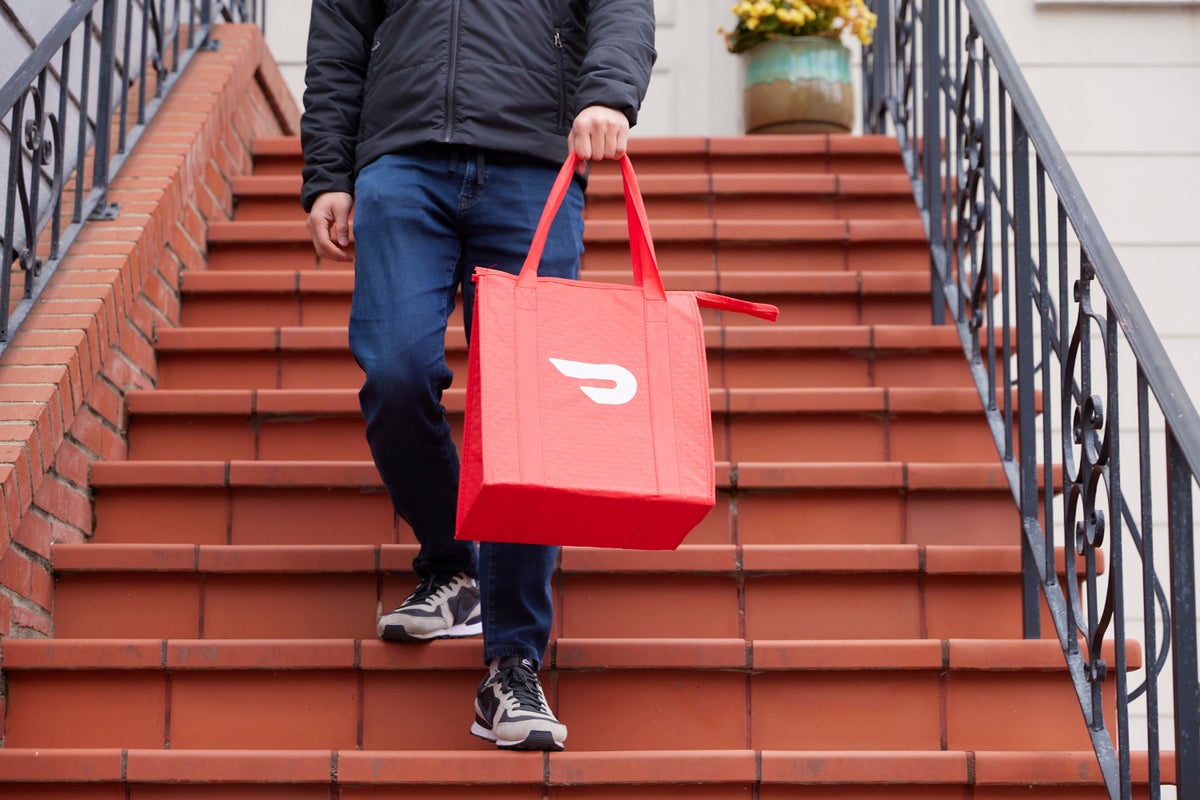
The notification pings. It is a sound that defines the modern urban existence—a digital heartbeat signaling that someone, somewhere, is hungry, and someone else is willing to drive through traffic to feed them. For a few dollars and a tip, a contract is signed in the ether. This is the gig economy, a frictionless machine designed to bridge the gap between our desires and our doorsteps. But lately, the friction isn't coming from the traffic. It is coming from the soul.
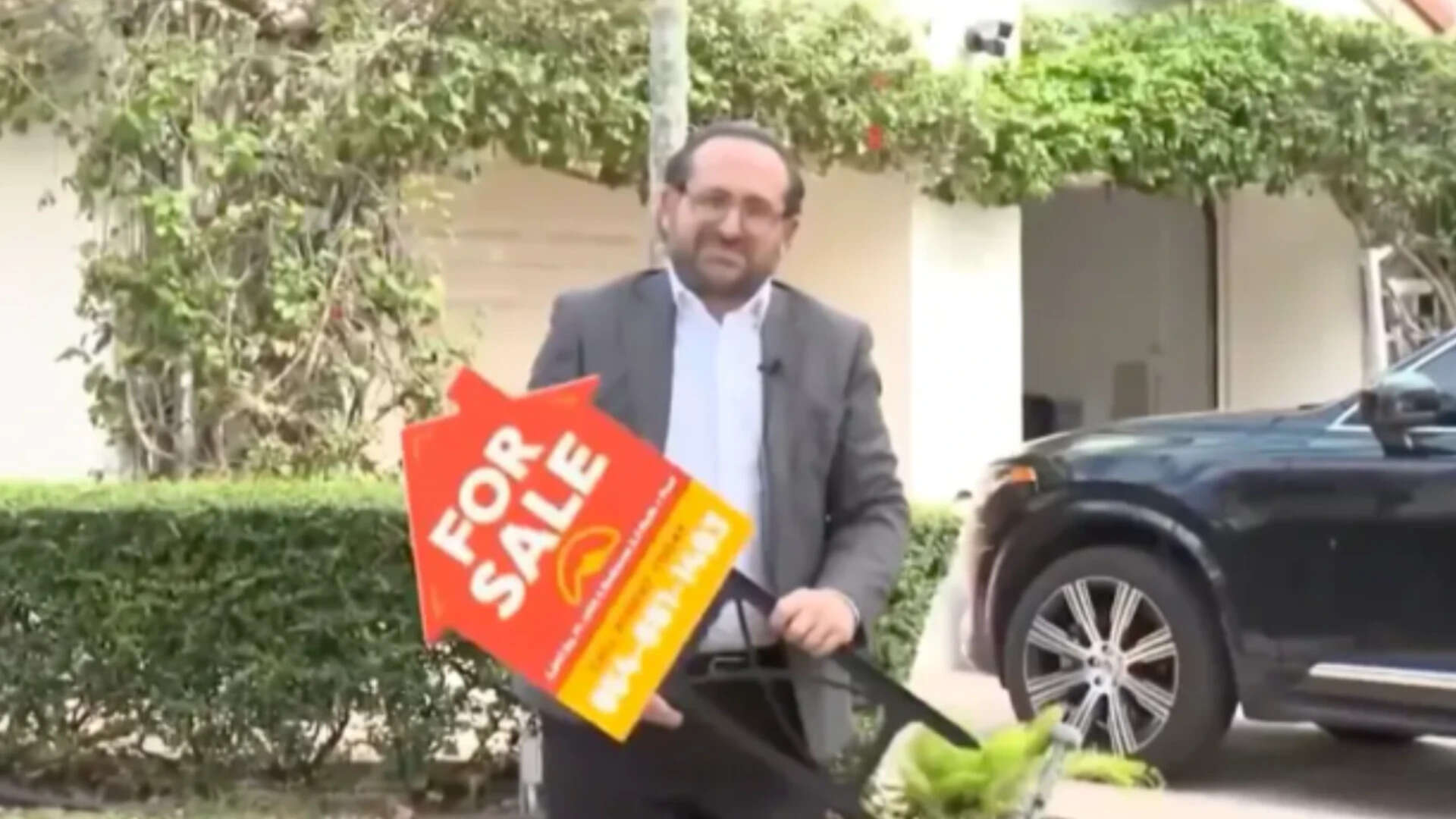
When a DoorDash driver recently took to social media to announce that he would purposefully "toss" the orders of Donald Trump supporters "out the window," he wasn't just venting about a candidate. He was throwing a wrench into the very gears of civil society.
We live in a time where the person delivering your Thai basil chicken might despise the sign on your lawn. We live in a world where the person bagging your groceries might see your hat and decide you don't deserve fresh produce. The company eventually caught wind of the video and suspended the driver, citing a violation of their harassment and discrimination policies. It was a swift corporate response to a much deeper, more jagged cultural wound.
The Invisible Contract of the Curb
Think about the sheer amount of trust required to let a stranger handle your food. You aren't just paying for the calories. You are paying for a silent agreement that, for the duration of this transaction, our mutual humanity outweighs our ideological differences.
Imagine a hypothetical woman named Sarah. She lives in a swing state. She has a "Trump 2024" sign nestled in her marigolds. She is tired after a long shift, her feet ache, and she just wants a warm burger. She opens an app. On the other side of town, a man named Marcus receives the alert. Marcus spends his nights scrolling through news feeds that tell him people like Sarah are the reason the world is falling apart.
In that moment, Marcus has a choice. He can be a professional, a link in the chain of commerce that keeps the world spinning. Or, he can be a partisan.
When that driver recorded himself threatening to chuck deliveries into the gutter, he chose the latter. He decided that the small, fleeting rush of "social justice" or "owning the opposition" was more valuable than the service he was literally being paid to provide. It is a hollow victory. It is the sound of a plastic container hitting the asphalt.
The Algorithm of Anger
DoorDash, UberEats, and GrubHub are built on the premise of neutrality. They are utilities, like the electric company or the water department. We don't expect the person fixing the power lines to check our voter registration before they flip the switch. If they did, the city would go dark.
The driver in this story, who boasted about his bias, forgot that he was part of a utility. By turning the delivery route into a political battlefield, he didn't change a single mind. He didn't save a single institution. He only succeeded in making the world a slightly more paranoid place.
Consider the ripple effect. The next time a customer with a political flag sees their driver approaching, they aren't looking for their food. They are looking for a threat. They are checking to see if the bag is sealed, wondering if their meal has been tampered with because of the sticker on their bumper. Trust, once shattered, is notoriously difficult to glue back together.
The Corporate Tightrope
For DoorDash, this wasn't just a PR headache. It was a structural threat. If a platform becomes known as a place where your political identity determines the quality of your service, the platform dies.
The company's statement was clear: "We do not tolerate any form of discrimination or harassment." It sounds like standard corporate speak, but beneath the jargon lies a desperate plea for order. They know that if they allow their workforce—which is technically a collection of independent contractors—to weaponize their personal beliefs, the "seamless" experience they sell becomes a minefield.
But can you really legislate the human heart with a Terms of Service agreement?
We are asking people who feel marginalized, angry, and fearful to put those emotions in the glove box and drive. We are asking them to serve people they believe are voting against their very existence. That is a heavy ask. It is also the only way a diverse, pluralistic society survives.
The Ghost in the Machine
The driver’s video was a symptom of a digital age that rewards performative outrage. We have been trained to believe that every interaction is an opportunity for a "main character" moment. Recording a video of yourself being "brave" by refusing to deliver a burrito feels like a win when the likes start rolling in.
But the likes don't pay the bills. And the likes don't build a community.
There is a specific kind of loneliness in the gig economy. Drivers are isolated in their cars, guided by an unfeeling map, interacting with customers through a screen or a closed door. In that isolation, it is easy to forget that the "Trump supporter" or the "Biden voter" on the other end is a person who is just as tired and hungry as you are.
When we stop seeing the customer and start seeing the "enemy," we lose the ability to coexist. The driver’s suspension was inevitable because his actions struck at the heart of the "third space"—those neutral zones where we must interact regardless of who we love or how we vote.
The Cost of a Cold Meal
This isn't about one man and a viral video. It’s about the erosion of the professional boundary.
If the plumber won't fix the leak because of your news channel of choice, if the doctor won't treat the flu because of your donation history, if the delivery driver won't bring the pizza because of your lawn sign—then we are no longer a country. We are a collection of warring tribes sharing a zip code.
The driver thought he was being a hero. Instead, he was just another person contributing to the great American freeze-out. He was taking a system designed to bring people together—even in the most transactional way—and using it to push them further apart.
The facts are simple: A man posted a video. A company fired him. The internet argued about it for forty-eight hours.
But the human story is much more haunting. It is the story of a society so fractured that even the simple act of delivering a meal has become an act of war. It is the realization that the person standing on your porch might be filming a video about how much they hate you before they even ring the bell.
We are hungry for more than just food. We are hungry for a return to a world where a job was just a job, and a neighbor was just a neighbor, and the contents of a delivery bag weren't seasoned with spite. Until then, the meals will continue to arrive cold, and the distance between the driver's seat and the front door will only get longer.
The porch light is on, the bag is on the mat, but the person who left it there is already gone, vanishing into the night with a phone in their hand and a heart full of stones.