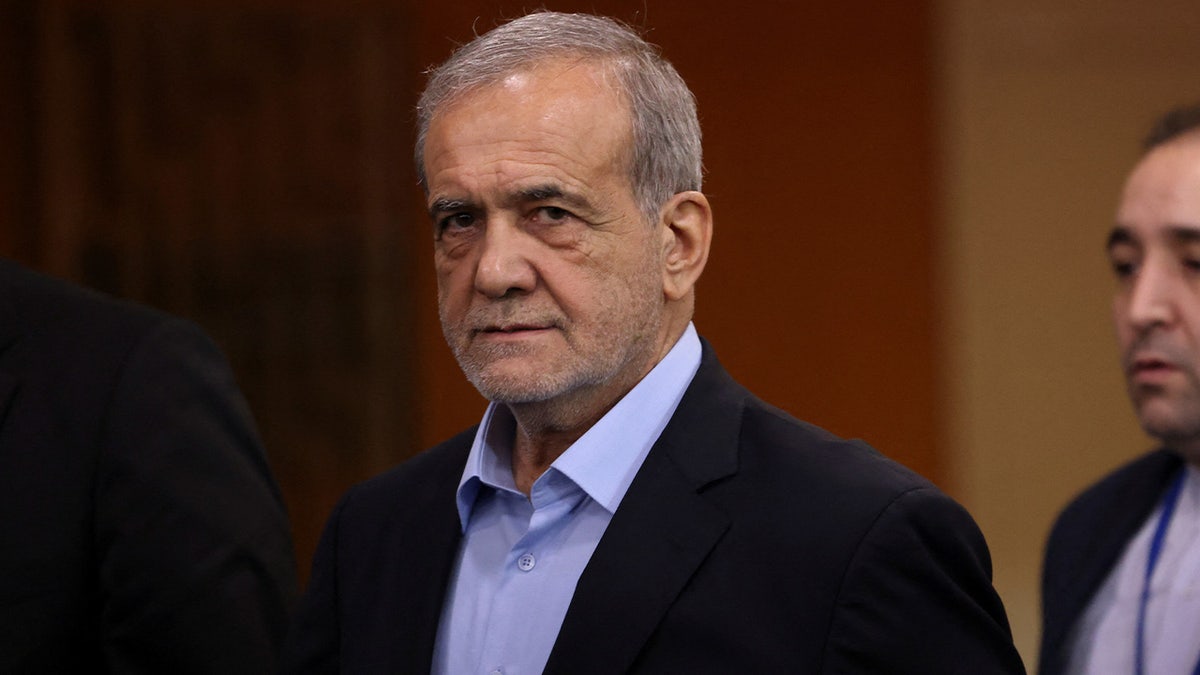
Iranian President Masoud Pezeshkian just threw a massive curveball at the West, and it’s not the usual fire-and-brimstone rhetoric we’re used to hearing from Tehran. In a high-stakes phone call with Indian Prime Minister Narendra Modi, Pezeshkian laid out a "prerequisite" for ending the current regional chaos that’s basically a non-starter for Washington and Tel Aviv: an immediate and total cessation of US-Israeli "aggression."
If you're wondering why this matters right now, look at the calendar. It’s March 21, 2026. We’re three weeks into a conflict that has already seen the death of Supreme Leader Ali Khamenei, strikes on nuclear enrichment plants, and a global energy crisis that’s making the 1970s look like a minor hiccup. Pezeshkian isn't just asking for a timeout; he’s demanding a complete structural shift in how the Middle East operates, and he’s looking to the BRICS nations—specifically India—to make it happen.
The Minab school strike and the breaking point
The emotional core of Pezeshkian’s latest stance isn't just about geopolitics; it’s about a specific tragedy in Minab. According to the Iranian Embassy, a strike launched from a base in a neighboring country hosting US forces hit a school, killing 168 children. Whether or not you believe the specific numbers—and in war, the first casualty is always the truth—the narrative is now set in stone for the Iranian public.
For Pezeshkian, this isn't a "limited defensive operation," as the US State Department keeps calling it. It's an "inhumane and unethical" campaign. He’s explicitly told Modi that Iran didn’t start this fight. He’s framing the US-Israeli actions as a medieval attempt to conquer territory based on false intelligence. This kind of language is designed to do one thing: strip away the "surgical strike" legitimacy the West is trying to maintain.
Why BRICS is the new wild card
Honestly, the most interesting part of this conversation wasn't the demand for a ceasefire. We've heard that before. The real news is Pezeshkian’s plea for BRICS to play an "independent role."
Think about the timing. India currently holds the rotating presidency of BRICS. By reaching out to Modi, Pezeshkian is trying to bypass the traditional Western-led UN Security Council deadlock. He’s essentially saying, "The West won't stop the bombs, so the Global South has to."
- A Regional Security Framework: Pezeshkian wants a peace deal managed entirely by West Asian countries. No US, no UK, no external interference.
- Economic Safeguards: Iran is effectively asking India and China to use their economic weight to force a halt to the strikes.
- Nuclear Verification: In a surprising move, Pezeshkian reiterated that Iran is still open to international oversight of its nuclear program to prove it’s peaceful. This suggests that despite the war, Tehran hasn't totally abandoned the idea of a diplomatic off-ramp.
The maritime security problem
While Pezeshkian was talking about peace, Modi was talking about shipping lanes. It’s a classic case of two leaders having very different priorities. For India, the biggest headache isn't who sits in the seat of power in Tehran; it’s the fact that the Strait of Hormuz is becoming a graveyard for cargo ships.
Modi expressed "deep concern" about the attacks on critical infrastructure. This is code for: "Stop messing with the oil and the trade routes." The Iranian side has already hinted that the situation in the Strait won't return to the pre-war status quo. They’re talking about "reparations" and new "fees" for any ship wanting to pass through. Basically, they’re holding the world’s energy supply hostage to get the US to back off.
The logic of a "Comprehensive War"
Don't be fooled by the talk of peace and Nowruz greetings. Pezeshkian also recently stated that Iran is in a "comprehensive war" with the US, Israel, and Europe. This isn't just a regional spat anymore.
The strategy from the Iranian side seems to be a mix of "Madman Theory" and calculated diplomacy. They’ve apologized to their neighbors for "fire at will" strikes—a move that likely annoyed the hardliners in the IRGC—but they’ve also warned that any country hosting US bases is a target. It’s a "join us or stay out of it" ultimatum aimed at the Gulf states.
What the US is saying
On the flip side, US Secretary of State Marco Rubio is doubling down. The US stance is that they had to act now because Iran was about a year away from a "line of immunity"—the point where their conventional missile and drone stockpile would be so large that nobody could stop them.
- The Objective: Destroy the missile sites and the navy.
- The Hope: Indirectly encourage the Iranian people to finish the job and change the regime.
- The Reality: It’s been three weeks, and Iran just fired missiles at the Diego Garcia base in the Indian Ocean. They aren't "beaten to hell" yet, despite what Donald Trump might post on Truth Social.
What actually happens next
If you're waiting for a clean ending to this, you’re going to be waiting a long time. The "prerequisites" Pezeshkian laid out—immediate cessation of attacks and guarantees against future ones—are things the current US administration simply won't grant without a total Iranian surrender.
However, the fact that mediation is happening at all is a sign that both sides are feeling the heat. Trump has mentioned "winding down" operations, and Pezeshkian is making the rounds with world leaders like Modi and Macron.
Watch the BRICS meeting closely. If India and China decide to actually step in as mediators, it could change the entire math of the war. Until then, expect more strikes on infrastructure and more volatility in the oil markets.
If you're looking to protect your interests, keep a very close eye on the maritime reports coming out of the Gulf. The "safe corridors" the IRGC is currently managing are the only thing keeping the global economy from a total meltdown. You should monitor the daily updates from the International Maritime Bureau and the energy price fluctuations in the Asian markets, as those will be the first indicators of whether Pezeshkian’s diplomacy is actually working or if we’re heading for a direct, sustained conflict between the US and Iran.