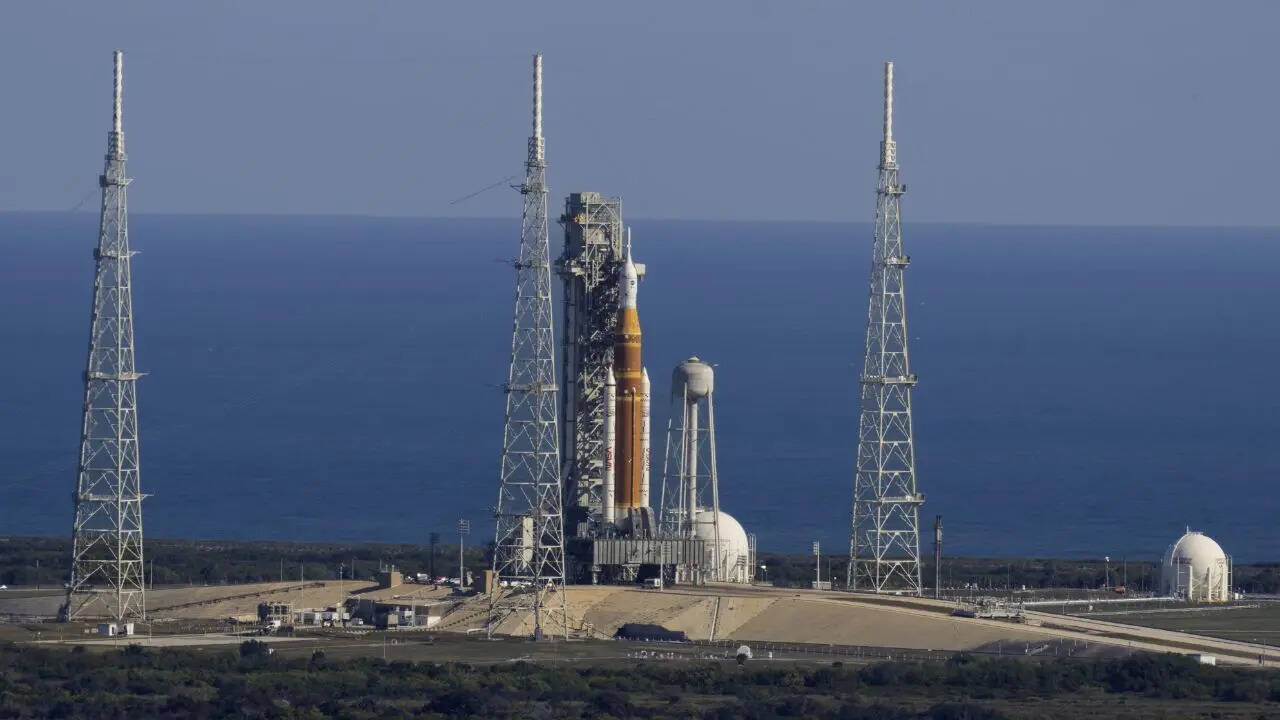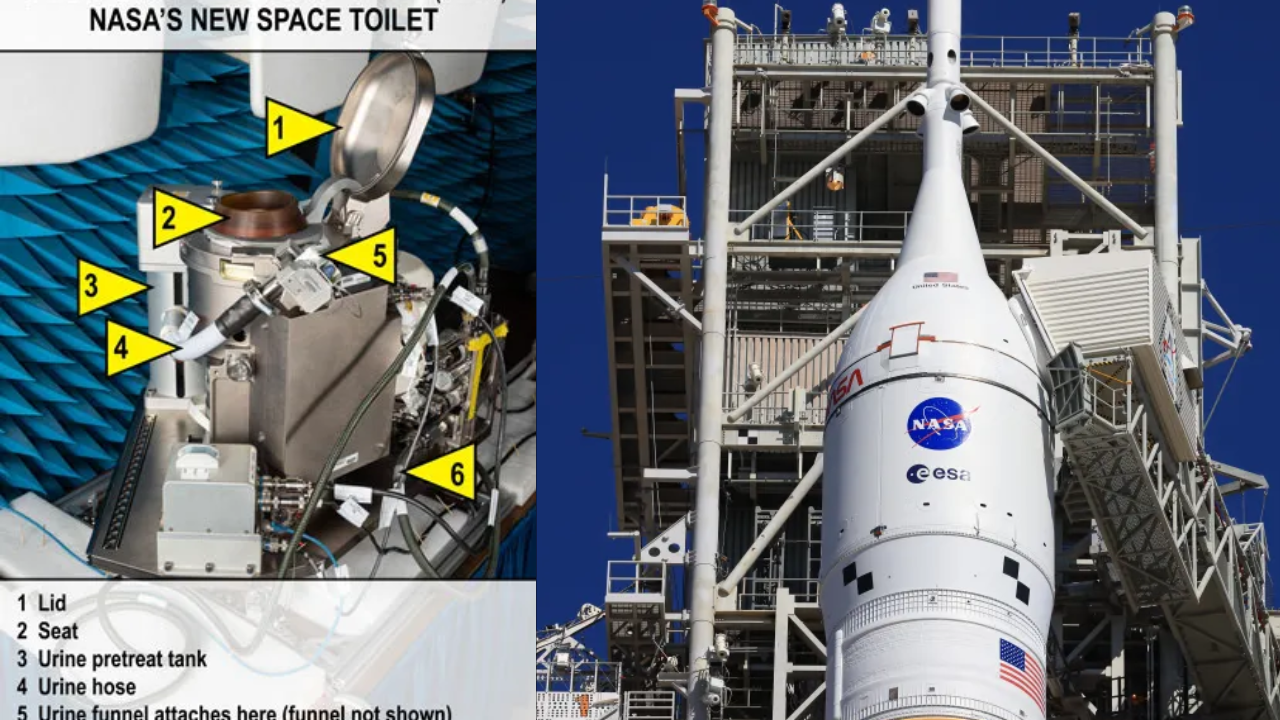
The media is currently hyperventilating over a fan. Specifically, a fan inside a multi-billion-dollar commode.
The narrative is predictable: NASA has a "hygiene crisis" on its hands because a separator motor jammed during testing for Artemis II. Critics are lining up to call it a setback, a sign of incompetence, or a threat to astronaut safety. They are wrong. This glitch isn't a failure; it is a violent validation of why we test hardware to the point of destruction.
If you think a broken toilet fan is a "stain" on the mission, you don't understand engineering. You understand PR. In the brutal physics of deep space, a "flawless" test is the most dangerous result you can get.
The Myth of the Perfect Machine
The "lazy consensus" suggests that every component of the Orion spacecraft should work perfectly from day one. This is a fairy tale for stakeholders. Aerospace engineering is a disciplined march through a minefield of "unknown unknowns."
When a fan jams in a vacuum-compatible toilet assembly, engineers don't mourn. They celebrate. They celebrate because the failure happened in a lab at Johnson Space Center and not 240,000 miles away while a crew is trying to sleep.
The Universal Waste Management System (UWMS) is a compact, titanium-infused marvel of fluid dynamics. It has to handle liquids and solids in microgravity without letting a single droplet of "unwanted material" float into the cabin. It uses a high-speed separator to pull fluids away from air. It’s complex because it has to be.
Most people ask: "Why can't they build a toilet that doesn't break?"
The real question is: "Why would you ever trust a system that hasn't broken yet?"
Complexity is a Feature Not a Bug
We see this same pattern in every high-stakes industry. In Formula 1, if a car finishes every practice session without a hiccup, the engineers know they aren't pushing the limits of the materials. In cybersecurity, a system that hasn't been breached is simply a system that hasn't been targeted by the right person yet.
The Orion fan glitch is a masterclass in risk mitigation. The hardware failed under high-stress cycles. This allows the team to analyze the torque profiles, the bearing wear, and the software logic that governs the motor.
Compare this to the early days of the Space Shuttle. We ignored "minor" issues like O-ring erosion because the missions kept succeeding. That false sense of security—the normalization of deviance—is what kills crews. A fan jam that pauses a schedule is a gift. A fan jam that happens on Day 3 of a lunar flyby is a catastrophe.
Hygiene vs. Survival: The False Stakes
Let’s dismantle the "hygiene stakes" argument. The press loves to talk about the "gross factor." They paint a picture of astronauts drowning in waste.
Here is the cold reality: On a mission like Artemis II, "hygiene" is a luxury. Survival is the metric. If the UWMS fails entirely, the crew has contingency bags. It’s messy. It’s unpleasant. It smells like a locker room in a swamp. But it doesn't end the mission.
When we focus on the "toilet trouble," we ignore the actual high-stakes systems that worked: the heat shield integrity, the life support scrubbing, and the Orion-SLS integration. We are obsessing over the plumbing while the foundation of the house is being hardened.
The Cost of Zero-Risk Thinking
The loudest critics are often those who demand "zero-risk" exploration. This mindset is the greatest threat to human progress. If NASA waited for a 100% guarantee that every fan, bolt, and sensor would never fail, we would never leave the atmosphere.
The Orion program is operating under a microscope. Every delay is treated as a sign of a "failing" program. In reality, these delays are the sound of the system working. The Artemis II crew—Reid Wiseman, Victor Glover, Christina Koch, and Jeremy Hansen—are test pilots. They know the risks. They would much rather wait six months for a redesigned fan shroud than spend ten days in a tin can with a seized motor.
The Data of Disruption
Let’s look at the numbers. The UWMS has already seen successful deployment on the International Space Station (ISS). The "glitch" found in the Artemis-specific build is likely a result of the specific vibration profiles or power cycles unique to the Orion architecture.
In engineering terms, we call this "infant mortality." Most hardware failures occur either at the very beginning of its life or at the very end. By forcing these failures now, NASA is clearing the "infant mortality" phase of the hardware lifecycle before humans are on board.
If you want a "seamless" experience, stay on Earth and use a porcelain throne. If you want to put boots on the Moon, you have to embrace the mess of the development cycle.
Stop Asking if it Works
The public needs to stop asking, "Does it work?" and start asking, "What happens when it breaks?"
Redundancy is the only religion in spaceflight. The obsession with the primary fan failure ignores the fact that Orion is designed with layers of failure modes. The true expertise isn't in building a fan that never jams—it’s in building a mission that survives the jam.
I’ve seen projects in the private sector collapse because they were too afraid to report a failure during the testing phase. They "green-lighted" their way into a disaster. NASA’s willingness to be transparent about a jammed fan—knowing the mockery it would invite—is the highest form of professional integrity.
The Actionable Order
We need to shift our perspective on "setbacks." Whether you are building a spacecraft, a software platform, or a skyscraper, your goal should be to find the breaking point as fast as possible.
- Break it early. If your testing phase doesn't involve hardware failure, your testing is a waste of time.
- Ignore the optics. The "embarrassment" of a broken toilet is irrelevant compared to the data gained from the failure.
- Respect the nuance. A fan jam isn't a sign of a bad toilet; it’s a sign of a rigorous test protocol.
The Artemis II mission will be safer because this fan failed. Anyone telling you otherwise is selling a fantasy of perfection that has no place in the vacuum of space.
Stop complaining about the delay. Start thanking the engineers who found the jam before the crew did.
Go back to work.