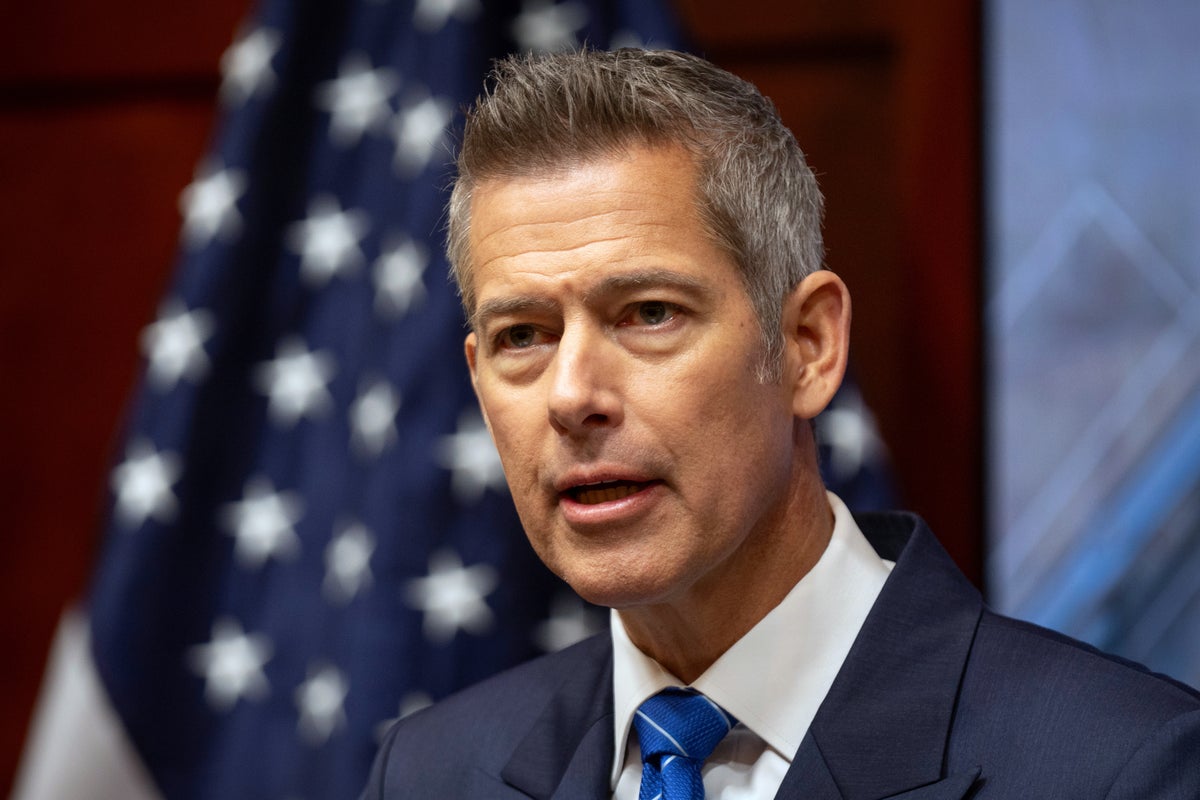
The resignation of Michael Rousseau from the helm of Air Canada was not a sudden pivot in corporate strategy or a reaction to sagging quarterly earnings. It was a failure of cultural intelligence. When a CEO stands in the heart of Quebec and admits to a room full of reporters that he has lived in Montreal for years without picking up more than a handful of French words, he isn't just making a personal admission. He is committing a strategic blunder that ignores the fundamental legal and social contracts that govern Canada’s largest airline.
For Rousseau, the departure signals the end of a tenure defined by tone-deafness. For Air Canada, it marks an expensive lesson in the reality of the Official Languages Act. This isn't about simple bilingualism on a resume. It is about the specific, codified requirement that Air Canada—as a former Crown corporation—must operate as a bilingual entity. When the face of the company cannot communicate with a significant portion of the domestic market and the political base that provides its bailouts, the position becomes untenable.
The Montreal Speech That Broke the Board
The catalyst was a speech at the Chamber of Commerce of Metropolitan Montreal. It was supposed to be a routine address about the post-pandemic recovery of the aviation sector. Instead, Rousseau delivered the remarks almost entirely in English. When pressed by journalists afterward on how he managed to live in Quebec’s largest city since 2007 without learning French, his response was dismissive. He suggested he was too busy to learn and that he could function perfectly well in Montreal without it.
That dismissal was the spark.
In the boardroom, the fallout was immediate. The Prime Minister’s office, the Premier of Quebec, and federal regulators all voiced a variation of the same sentiment: this was an insult to the people of Quebec and a violation of the spirit of the airline’s mandate. You cannot lead a company that is legally obligated to provide service in two languages if you personally cannot navigate a basic Q&A session in one of them. The optics were disastrous, but the underlying risk was the real problem. The board realized that Rousseau had become a liability in every future negotiation with Ottawa.
A Legal Mandate Not a Suggestion
Unlike its competitors, WestJet or Porter, Air Canada operates under a unique set of rules. The Air Canada Public Participation Act ensures that the airline remains subject to the Official Languages Act. This means the carrier has a statutory duty to ensure that the traveling public can communicate with them in the official language of their choice.
This isn't a "nice-to-have" skill. It is a compliance issue.
While the CEO doesn't personally handle every customer service call, the leader of such an institution serves as the ultimate guarantor of its values. When the leader fails to meet the standard, it creates a trickle-down effect of non-compliance throughout the organization. Internal data and federal audits have frequently flagged Air Canada for failing to provide adequate French-language services on certain routes or in specific airports. Having a CEO who couldn't—or wouldn't—address the public in French made those audit failures look like a choice rather than an operational oversight.
The Cost of Political Isolation
Airlines are among the most politically sensitive businesses on the planet. They require government cooperation for infrastructure, international route rights, and, as we saw during the 2020 lockdowns, massive financial lifelines.
In Canada, the road to federal power runs through Quebec. No federal government can afford to be seen as soft on language rights, particularly when it concerns a company that many still view as a national carrier. By alienating the Quebec political class, Rousseau effectively severed the airline's most important diplomatic tie. If the airline needed a regulatory favor or a tax break, Rousseau was no longer the man who could make that call. He was persona non grata in the very halls of power where the airline’s future is often decided.
The Myth of the Global English Executive
There is a persistent belief in some corporate circles that English is the only language of global business and that technical proficiency in finance or logistics is all that matters. This is a dangerous oversimplification.
Executive leadership is, at its core, a performance of cultural alignment. In a country with a delicate federalist balance, a CEO who treats one of the two founding languages as an optional hobby is signaling a lack of respect for the market. This isn't just a Canadian quirk. If a CEO of a major French company spoke no French, or if a leader of a top Japanese firm refused to learn the local customs, the result would be identical. The market reacts to the perceived arrogance of the leader.
Rousseau’s predecessor, Calin Rovinescu, understood this perfectly. While not a native speaker, Rovinescu made a visible, concerted effort to be proficient. He understood that the effort itself was the message. Rousseau’s mistake wasn't just his lack of French; it was his public admission that he didn't think it was important enough to try.
Why Technical Skill Could Not Save Him
On paper, Rousseau was a competent executive. He had served as the Chief Financial Officer and had a deep understanding of the airline’s balance sheet. He navigated the most turbulent period in aviation history as the world's fleets were grounded. But a CEO is more than a glorified CFO.
The role requires a Chief Communications Officer, a Chief Lobbyist, and a Chief Cultural Officer. Rousseau excelled at the numbers but failed the narrative.
- Public Trust: Once the controversy broke, every delayed flight or lost bag was viewed through the lens of a company that "doesn't care about its customers."
- Employee Morale: Thousands of Air Canada employees are native French speakers. Seeing their leader dismiss their primary language as a nuisance created internal friction that HR could not easily bridge.
- Regulatory Pressure: The Commissioner of Official Languages received a record-breaking number of complaints following the Montreal speech. This triggered investigations that cost time, money, and reputation.
The board's decision to move on was a cold calculation. They weighed his financial acumen against the constant friction he caused with the federal government and the Quebec public. The friction was more expensive than the talent was worth.
The Precedent for Future Leadership
This exit serves as a warning to the C-suite across Canada and in any nation with deep cultural divisions. Technical expertise is the baseline, but cultural competency is the ceiling. Air Canada cannot afford to hire another unilingual CEO. The search for a successor will now be filtered through a linguistic lens first and a financial lens second.
This change reflects a broader shift in corporate governance. Boards are increasingly looking for leaders who can navigate "ESG" (Environmental, Social, and Governance) factors. In the Canadian context, the "Social" and "Governance" parts of that equation include language. If you cannot speak to your shareholders, your employees, and your regulators in their own tongue, you are not actually leading them. You are just managing a spreadsheet until someone replaces you with a communicator.
The lesson for the industry is clear. A CEO who ignores the local reality of their headquarters is a CEO with an expiration date.
The airline must now begin the long process of rebuilding trust with a skeptical public. This will involve more than just a bilingual replacement; it will require a systemic shift in how the company prioritizes its legal obligations under the Official Languages Act. They need to prove that the commitment to bilingualism isn't just a PR exercise to quiet a news cycle, but a core component of their operational DNA.
Air Canada’s future depends on its ability to fly. But its survival in the Canadian market depends on its ability to speak. Without that, no amount of financial engineering can keep the company in the good graces of the people who ultimately fund its existence.
Executives who believe they are above the cultural fray usually find themselves outside of it.