The global shipping industry is currently witnessing the death of a three-hundred-year-old legal certainty: the right of innocent passage. In the narrow, jagged corridor of the Strait of Hormuz, the Islamic Revolutionary Guard Corps (IRGC) has successfully transitioned from a policy of intermittent harassment to a sophisticated, digitalized "toll booth" regime. This is not just a tactical shift in a regional war; it is a fundamental rewriting of maritime law by force of arms.
For decades, the Strait was a global common. Today, it is a private driveway. Tehran has effectively partitioned the waterway, forcing commercial vessels into a vetting scheme that requires the submission of granular data—ownership chains, cargo manifests, and full crew lists—to IRGC-linked intermediaries. Those who comply and pay are granted "safe passage" through Iranian territorial waters. Those who do not are turned back, or worse, seized. This morning, the IRGC Navy confirmed it turned back three container ships that attempted to bypass the system, proving that the "soft closure" of the Strait has officially hardened into a predatory commercial monopoly.
The Architecture of the Shadow Toll
The mechanism of this regime is more complex than simple piracy. It operates as a de facto regulatory body, masquerading as a security necessity. According to maritime intelligence reports, at least 26 major vessels have transited through this controlled corridor since mid-March. The process begins long before a ship reaches the chokepoint.
Operators must now contact specific IRGC-authorized agencies to obtain a unique clearance code. In at least two documented cases, ships have paid direct fees—reportedly as high as $2 million—settled in Chinese yuan to avoid the reach of Western sanctions. This use of the yuan is not accidental. It integrates the toll system into a broader "resistance economy" that bypasses the U.S. dollar, creating a closed-loop financial system that the Treasury Department cannot easily freeze.
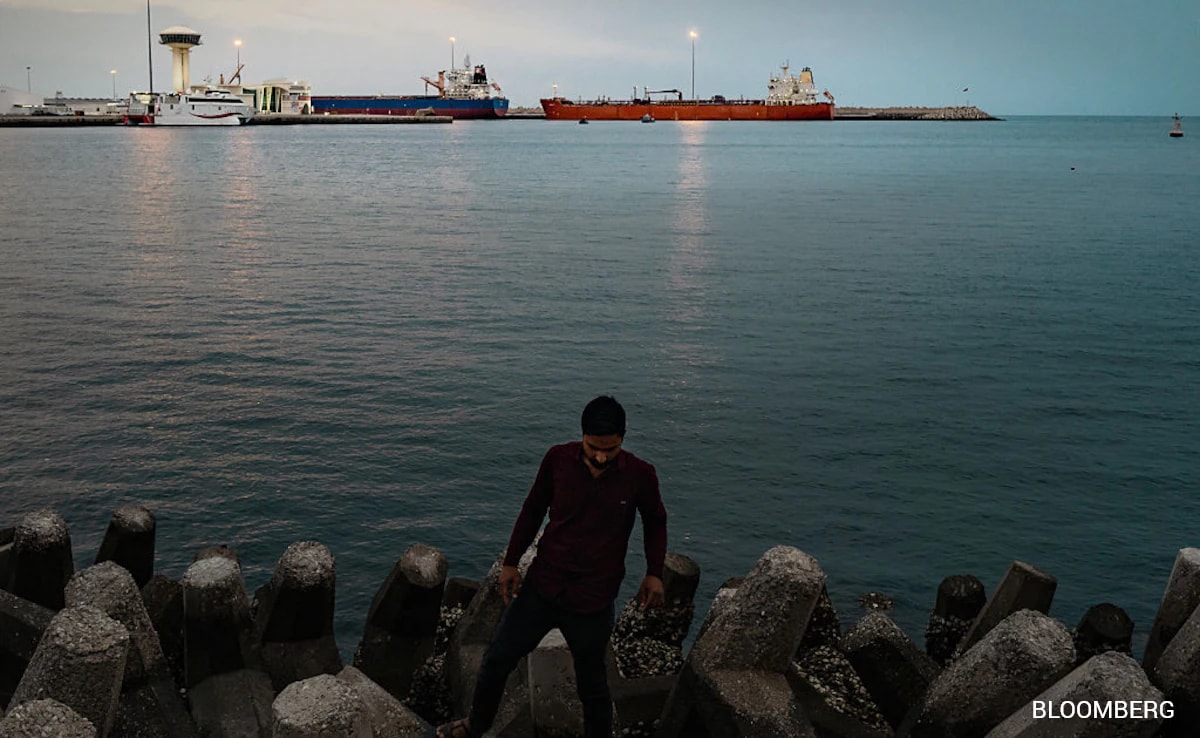
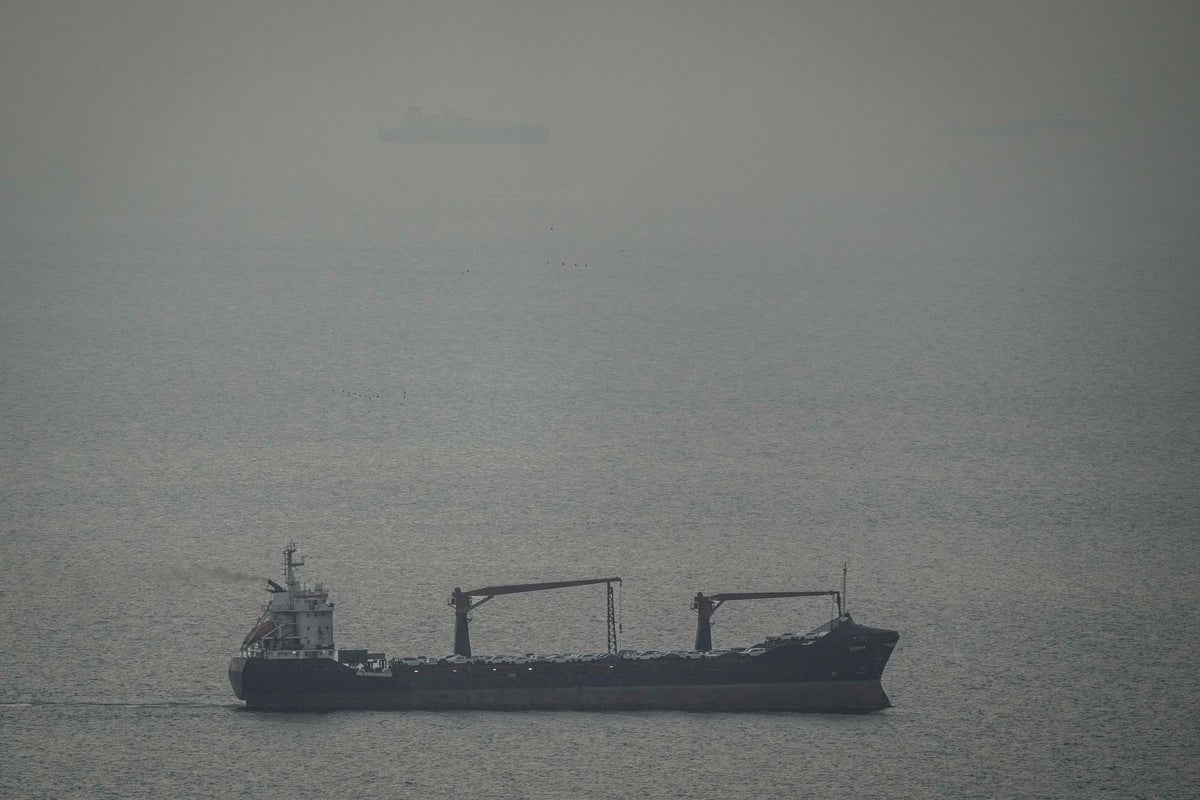
The physical reality on the water is even more stark. Standard shipping lanes are currently empty. Instead, vessels are being directed into a "protected" route between the islands of Qeshm and Larak. Here, they are met by IRGC pilot boats. This is not a service; it is an escort that functions as a hostage situation. By forcing ships into Iranian territorial waters, Tehran gains the legal pretext to board and inspect them under the guise of domestic security, effectively stripping away the protections afforded by the UN Convention on the Law of the Sea (UNCLOS).
The Legal Trap for Global Shippers
The "toll booth" presents a brutal dilemma for shipowners and their insurers. On one hand, paying the fee allows a vessel to deliver its cargo and avoid the crippling costs of a detour around Africa or a weeks-long wait in the Gulf of Oman. On the other, the IRGC is a designated Foreign Terrorist Organization (FTO) under U.S. law.
Providing "material support" to an FTO is a felony.
Manny Levitt, a veteran trade attorney, notes that even if a shipowner obtains a temporary license from the U.S. Treasury to move specific Iranian oil loads, those licenses rarely cover the payment of transit tolls to the IRGC. Furthermore, European and UK sanctions regimes do not mirror these licenses, leaving international firms in a state of legal exposure. If you pay Tehran to save your ship, you may be signing your own indictment in Washington or London.
This has sent war-risk insurance premiums into a vertical climb. At the start of March, premiums were roughly 0.125% of a vessel's value. Today, they have surged four to six times that amount. For a Very Large Crude Carrier (VLCC) valued at $100 million, a single transit now carries a $600,000 insurance surcharge before a single drop of fuel is burned or a single "toll" is paid.
A Calculated Geopolitical Shakedown
Tehran's timing is precise. By implementing this system while President Trump extends deadlines for negotiations, Iran is creating "facts on the ground." They are demonstrating that even if a total war is averted, the old status quo will not return. They are seeking a "new legal regime" for the Strait—one where Iran is the permanent, recognized landlord of the world’s most critical energy artery.
The impact is devastating the economies of its neighbors. While Iran permits "friendly nations" like China, India, and Russia to pass with relative ease, the GCC states are watching their export volumes collapse. Saudi Arabia and the UAE have limited pipeline alternatives, but they cannot replace the 20 million barrels of oil and refined products that typically flow through the Strait daily. Qatar has already declared force majeure on its LNG exports, a move that is currently sending shockwaves through European industrial sectors, where energy-dependent manufacturers are already imposing 30% surcharges to survive.
The Illusion of Freedom of Navigation
Western powers have spent billions attempting to secure the Red Sea from Houthi attacks, only to find that the Strait of Hormuz is an even more formidable challenge. Iran possesses a sophisticated arsenal of thousands of drones, anti-ship cruise missiles, and a dual naval structure that combines the traditional Navy (Artesh) with the asymmetric, IRGC-led "toll booth" operators.
The U.S. Navy's Fifth Fleet is present, but "reopening" the Strait is not as simple as clearing a path. It would require a sustained, high-intensity conflict to suppress the mobile missile batteries hidden in Iran's mountainous coastline. Until then, the IRGC holds the "remote control" to the global economy.
We are no longer discussing a hypothetical threat of closure. The Strait of Hormuz is closed to the free market. It is open only to those willing to fund the very organization that is holding them at gunpoint. The "toll booth" is not a temporary war measure; it is the new business model for the Persian Gulf, and the bill is being passed directly to the global consumer at the pump.
Monitor the April 6 deadline for a potential shift in U.S. kinetic response, but do not expect the "tolls" to disappear without a significant regional realignment.