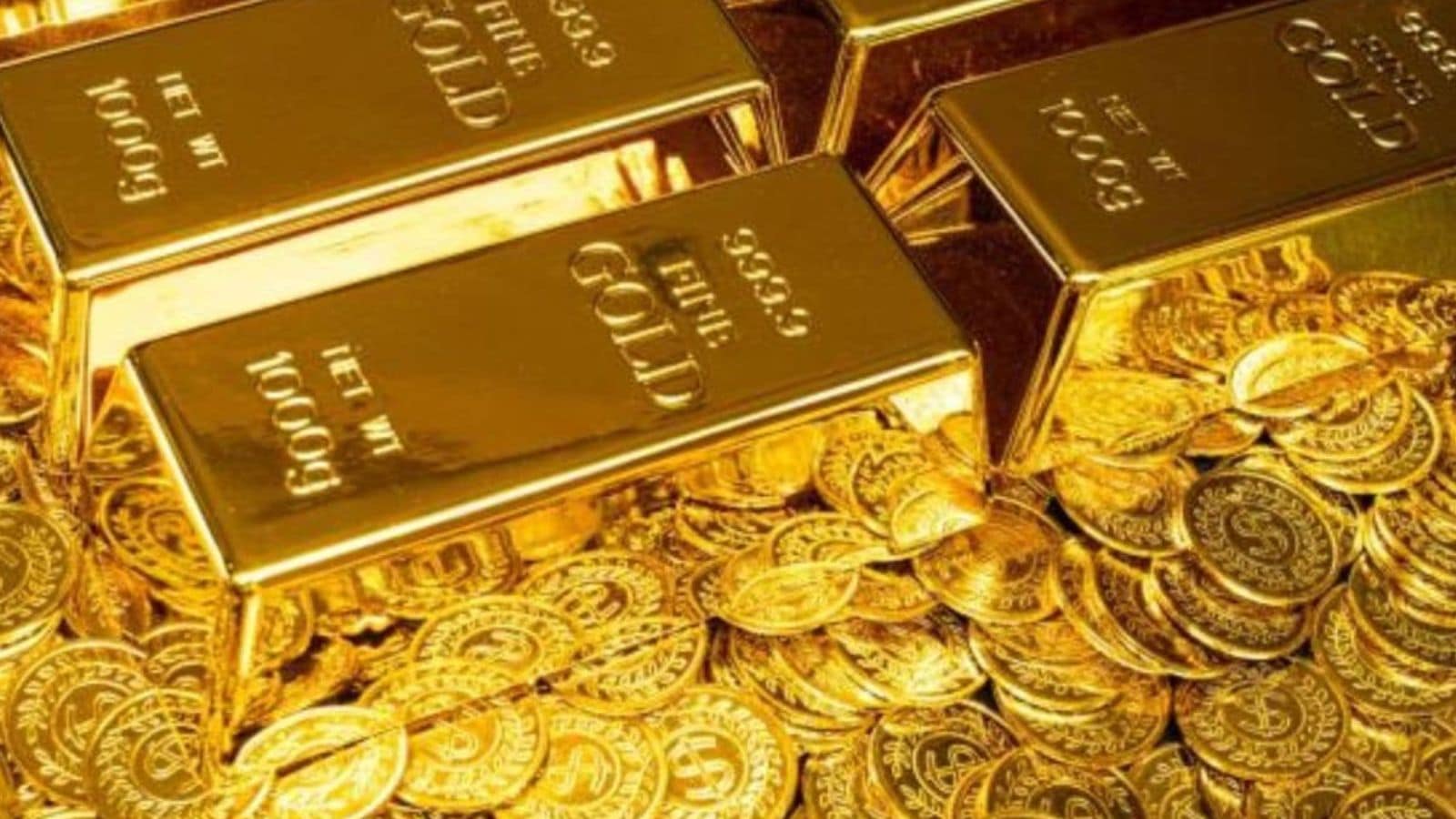
Precious metals are currently undergoing a paradoxical repricing where heightened military rhetoric from the White House is triggering a sell-off rather than a safe-haven rally. Spot gold plunged 4.1% to $4,562.88 on April 2, 2026, while silver suffered a more aggressive 4.22% correction to $72.87. This price action defies the traditional "war premium" model. Instead, the market is pricing in a liquidity squeeze driven by two distinct structural forces: the exhaustion of the safe-haven trade and the "Stone Age" doctrine’s impact on global energy costs.
The Liquidity-Volatility Feedback Loop
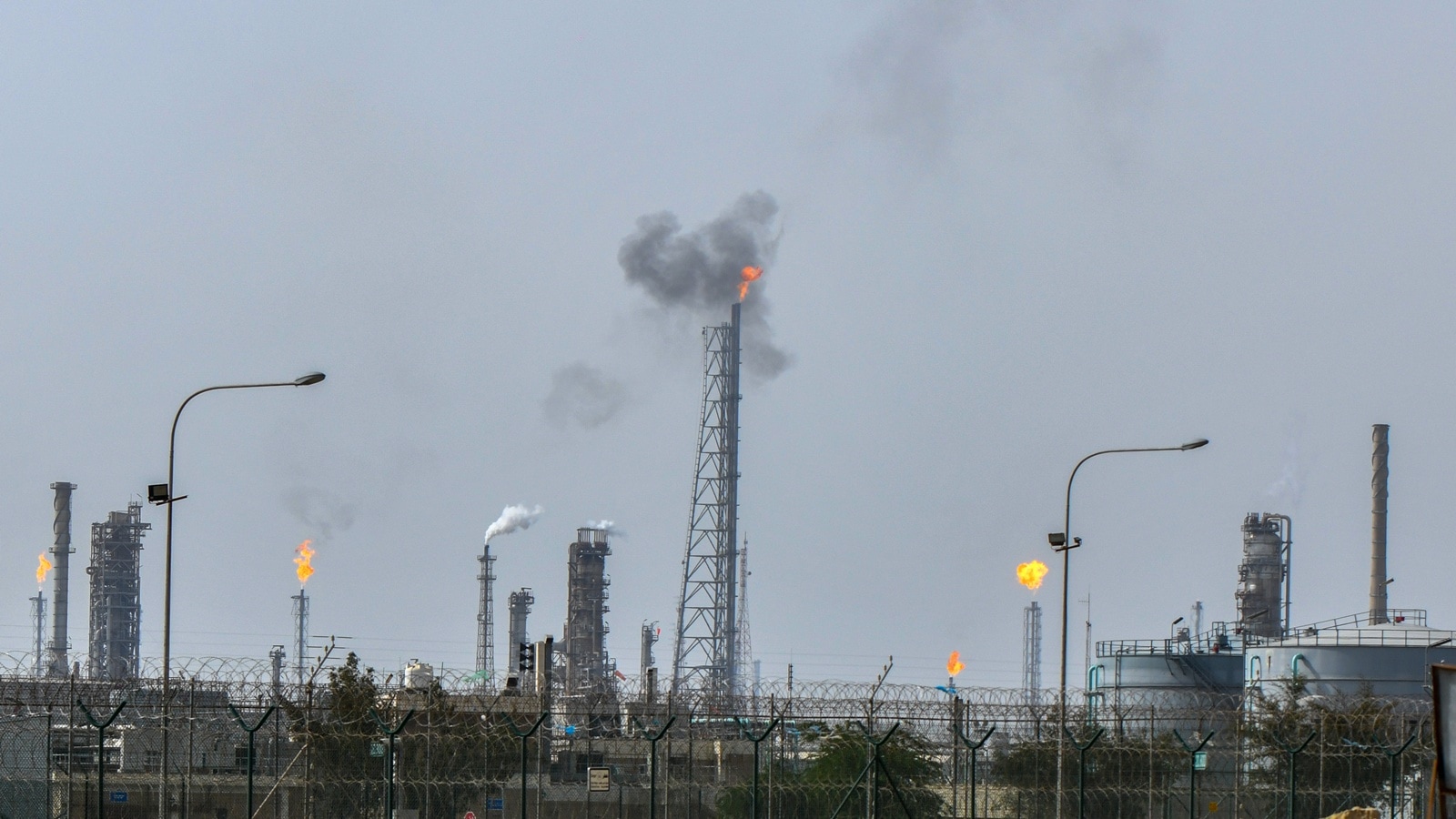
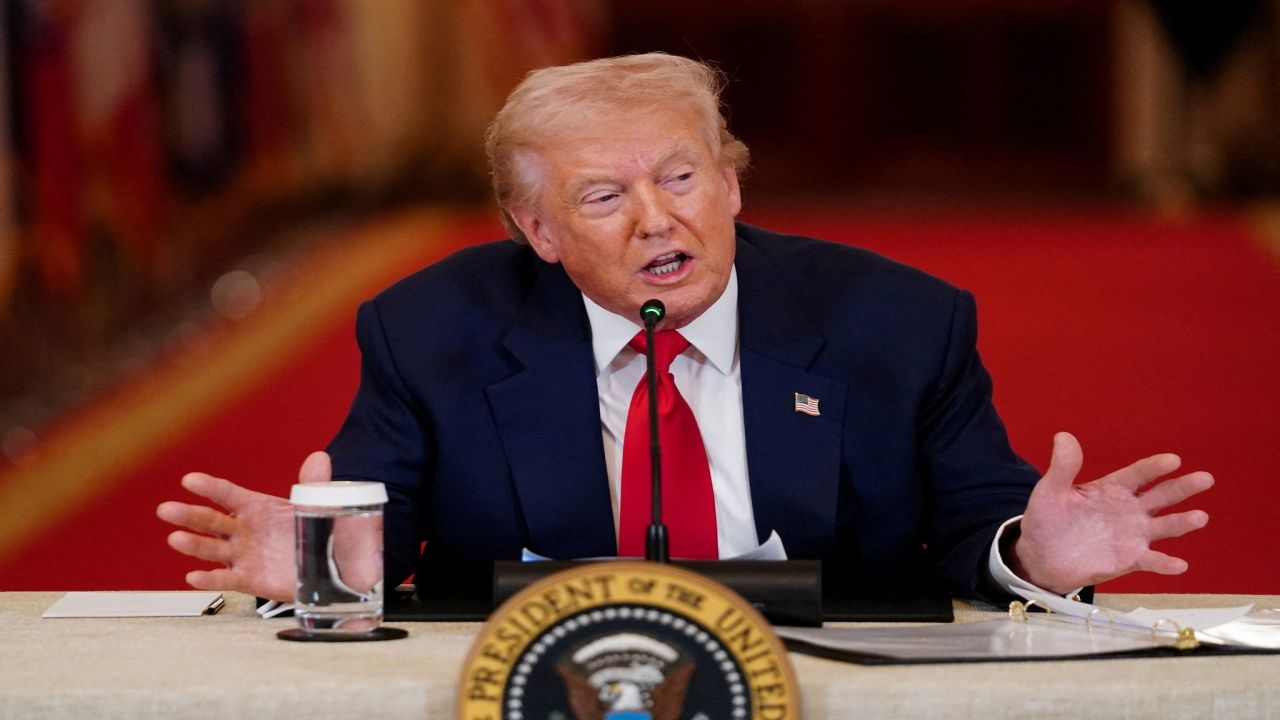
The primary driver of the current gold decline is not a reduction in risk, but a tactical shift in portfolio management. Investors are facing a forced deleveraging cycle. As President Trump’s April 1 address signaled a two-to-three-week escalation period to "finish the job" in Iran, oil prices surged 4.9% to $106.16 per barrel. This spike in energy costs has two immediate consequences for the bullion market:
- Margin Call Contagion: Sharp losses in equities and the spike in energy-related volatility are forcing institutional desks to liquidate liquid assets—primarily gold and silver—to cover margin requirements in more distressed sectors.
- The Opportunity Cost Pivot: The U.S. dollar index rose 0.4%, bolstered by a hawkish Federal Reserve stance. St. Louis Fed President Alberto Musalem’s confirmation that interest rates will remain elevated to combat war-induced inflation makes non-yielding assets like gold less attractive compared to high-yield Treasuries.
The Three Pillars of the 2026 Price Correction
The current market structure can be categorized into three distinct pillars that explain why gold is failing to maintain its $5,000/oz psychological support level.
The Eradication of the Ambiguity Premium
Markets typically trade on the probability of conflict. Once a conflict enters a terminal, high-intensity phase—defined by the President’s "Stone Age" rhetoric—the ambiguity vanishes. The market moves from pricing "what if" to pricing "how long." The transition to a defined two-to-three-week window of intensive operations has replaced the open-ended risk premium with a fixed-duration volatility spike.
Energy-Inflation Correlation
Gold is historically a hedge against inflation, but the 2026 conflict has introduced a "Cost-Push Bottleneck." Because the Strait of Hormuz remains contested, the cost of transporting and refining gold is rising alongside the cost of capital. This creates a ceiling for the metal; while the value of gold as a store of wealth remains, the cost of holding and trading it is increasing at a faster rate.
Central Bank Diversification Halts
A significant buyer of gold throughout 2025 was the People's Bank of China (PBoC). However, the current escalation has forced a shift in global trade dynamics. As the U.S. administration leverages tariffs as a "political weapon" alongside military action, emerging markets are prioritizing liquidity in their local currencies to stabilize domestic markets, temporarily slowing the "de-dollarization" buying spree that fueled gold’s rise in early 2026.
Structural Bottlenecks in Silver Markets
Silver’s deeper 4.22% plunge compared to gold highlights its dual identity as an industrial commodity and a monetary metal. The military escalation in the Middle East has disrupted the "Green Tech" supply chain, particularly for solar and electronics manufacturing.
- Industrial Demand Destruction: The threat of a broader regional conflict has slowed manufacturing output in Southeast Asia.
- Inventory Carry Costs: With 10-year U.S. Treasury yields advancing, the cost to carry physical silver inventories has reached a three-year high.
The Strategic Outlook for Bullion
The technical outlook for gold indicates a consolidation range around $4,500. A breach below this level would signal a shift from a "correction" to a "structural bear market" for the remainder of the quarter. The Stochastic oscillator remains above 20, suggesting that while the immediate momentum is downward, the metal is not yet oversold in a historical context.
The immediate tactical play for institutional participants is the "Energy-Metal Spread." As long as the White House maintains its aggressive timeline for concluding Middle Eastern hostilities, gold will likely remain a source of liquidity rather than a destination for capital. The "safe haven" will only return once the 10-year Treasury yield stabilizes and the threat to the Strait of Hormuz is neutralized, allowing the dollar's surge to cool. Until the "Stone Age" operations reach their stated conclusion in mid-April, expect gold to face persistent downward pressure regardless of the intensity of the geopolitical headlines.