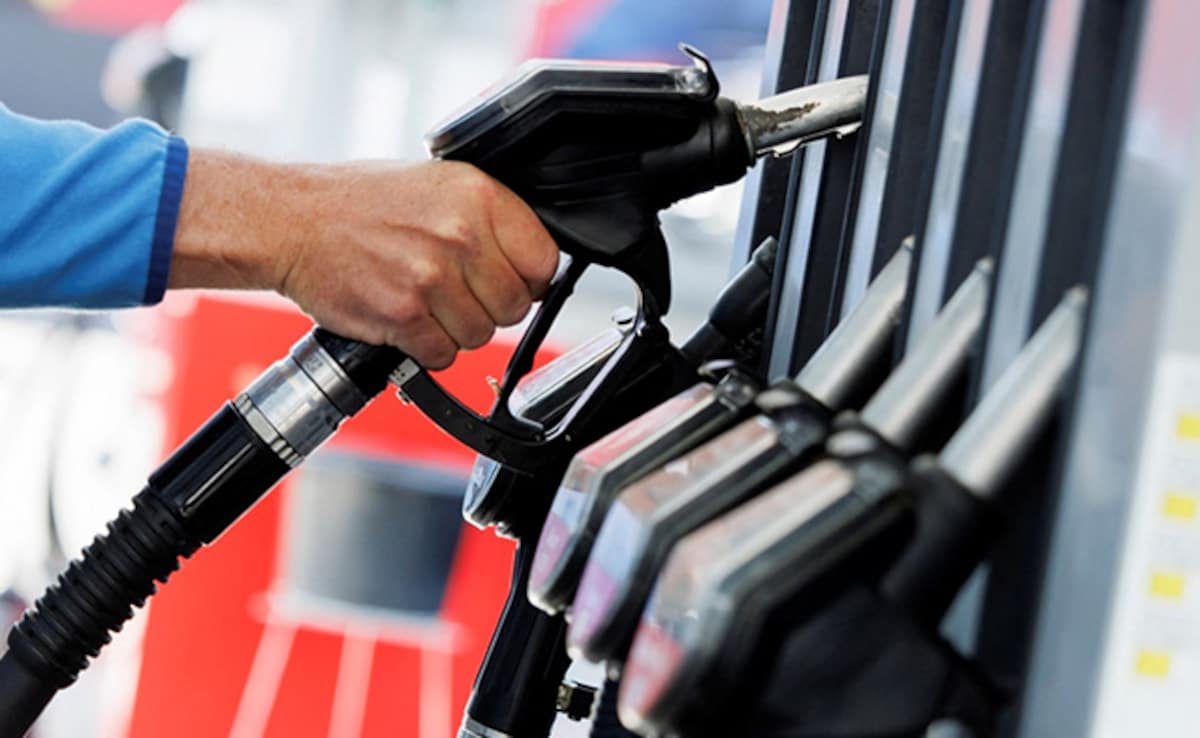
You probably felt that sting in your wallet this morning. Pulling up to the pump used to be a mundane chore, but lately, it's a source of genuine anxiety. For the first time since the chaotic spikes of 2022, the national average for a gallon of gas has officially cleared the $4 mark. It’s a psychological barrier that changes how we live, how we commute, and frankly, how we feel about the economy.
Don't let the talking heads on TV oversimplify this. It isn't just one thing. It's a perfect storm of global tension, refinery hiccups, and the simple reality that we're driving more. If you're wondering why your local station is charging $4.15 while the town over is still at $3.80, you aren't alone. The math behind the pump is messy, but understanding it is the only way to navigate this without going broke.
The Crude Reality of Global Markets
Everything starts with a barrel of oil. About 50% to 60% of what you pay for gas is dictated by the price of crude. Right now, global supply is tight because OPEC+ has decided to keep their boots on the neck of production. They want higher prices, and they're getting them. When Riyadh or Moscow decides to trim a few hundred thousand barrels off the daily output, you feel it in Peoria.
Then there’s the geopolitical jitters. We’ve seen continued instability in the Middle East and ongoing friction in Eastern Europe. Markets hate uncertainty. Every time a drone flies near a pipeline or a tanker gets diverted from the Suez Canal, traders bake a "risk premium" into the price. You’re essentially paying for the fear that things might get worse tomorrow. It’s frustrating. It’s volatile. But it’s how the global energy machine functions.
Why Refineries Are Breaking the Bank
Crude oil is useless if you put it in your tank. You need a refinery to turn it into the liquid gold that powers your SUV. This is where the US is currently hitting a massive bottleneck. Many of our refineries are aging, and several have gone offline recently for "unplanned maintenance." That's code for something broke and we can't fix it fast enough.
We also have the seasonal shift to "summer blend" gasoline. This is a real thing, not a conspiracy. To meet EPA standards for smog reduction in warmer months, refineries have to switch to a more expensive, less volatile chemical mix. This switch happens every spring and typically adds anywhere from 5 to 15 cents to the price per gallon. Combine that with a few refinery fires or mechanical failures, and you get the supply crunch we're seeing right now.
Regional Drama and Local Taxes
The $4 national average is a bit of a lie. If you live in California or Washington, you’ve probably been paying well over $4 for months. If you’re in Mississippi or Texas, you might still be seeing high $3s. Why the massive gap? It comes down to two things: geography and taxes.
- Taxes: Some states see gas as a piggy bank. High state fuel taxes pay for roads, but they also make the "soar" feel much more painful.
- Logistics: If you live near the Gulf Coast, you're close to the source. If you're in the Rockies or the Pacific Northwest, the fuel has to travel further via pipeline or truck. That adds "transportation cost" to every gallon.
The Inflation Connection No One Wants to Hear
High gas prices don't stay at the gas station. They hitch a ride on every semi-truck delivering groceries to your local store. When it costs a trucker $800 to fill up instead of $600, that cost gets passed to you. This is why "core inflation" is so hard to kill. Energy is the literal fuel for the entire economy. If gas stays above $4 for the whole summer, expect your milk, eggs, and Amazon deliveries to get a bit pricier too.
It’s a nasty cycle. You spend more on gas, so you have less to spend on dinner out. The restaurant sees fewer customers and has to raise prices because their food delivery costs more. Everyone loses.
Stop Falling for Gas Price Myths
I hear a lot of nonsense at the car wash. No, the President doesn't have a "make gas expensive" button on his desk. While policy matters over decades, the day-to-day fluctuations are almost entirely driven by the global market and private refinery capacity.
Also, "premium" gas isn't a treat for your car. Unless your owner’s manual explicitly requires 91 or 93 octane because of a high-compression engine or a turbo, you're literally burning money. Regular 87 is perfectly fine for the vast majority of cars on the road. Don't let the fancy name trick you into spending an extra 60 cents a gallon for zero benefit.
Practical Steps to Protect Your Wallet
Waiting for prices to drop is a losing game. You have to be proactive.
- Use an App, Period: GasBuddy, Waze, and Upside aren't just for road trips. Checking prices within a three-mile radius can save you 20 cents a gallon. That’s $3 to $5 every fill-up. It adds up.
- Check Your Tires: Seriously. Under-inflated tires create more rolling resistance. It’s like trying to run through sand. Keep them at the recommended PSI and you’ll see a 3% bump in fuel economy.
- Lose the Lead Foot: Hard acceleration and heavy braking are fuel killers. Smooth is fast, and smooth is cheap.
- Warehouse Clubs: If you have a Costco or Sam's Club membership, use it. They often sell gas at near-cost to get you into the store. Even with the line, the savings usually justify the wait.
The trend isn't looking great for the next few weeks. Demand usually peaks as we head toward Memorial Day and the start of summer travel. Unless we see a sudden surge in refinery output or a massive cool-down in global tensions, that $4 average is likely here to stay for a while.
Stop waiting for a miracle at the pump. Adjust your driving habits, use the technology available to find the cheapest fuel, and keep your vehicle maintained. It’s the only way to win a game where the rules are stacked against you.