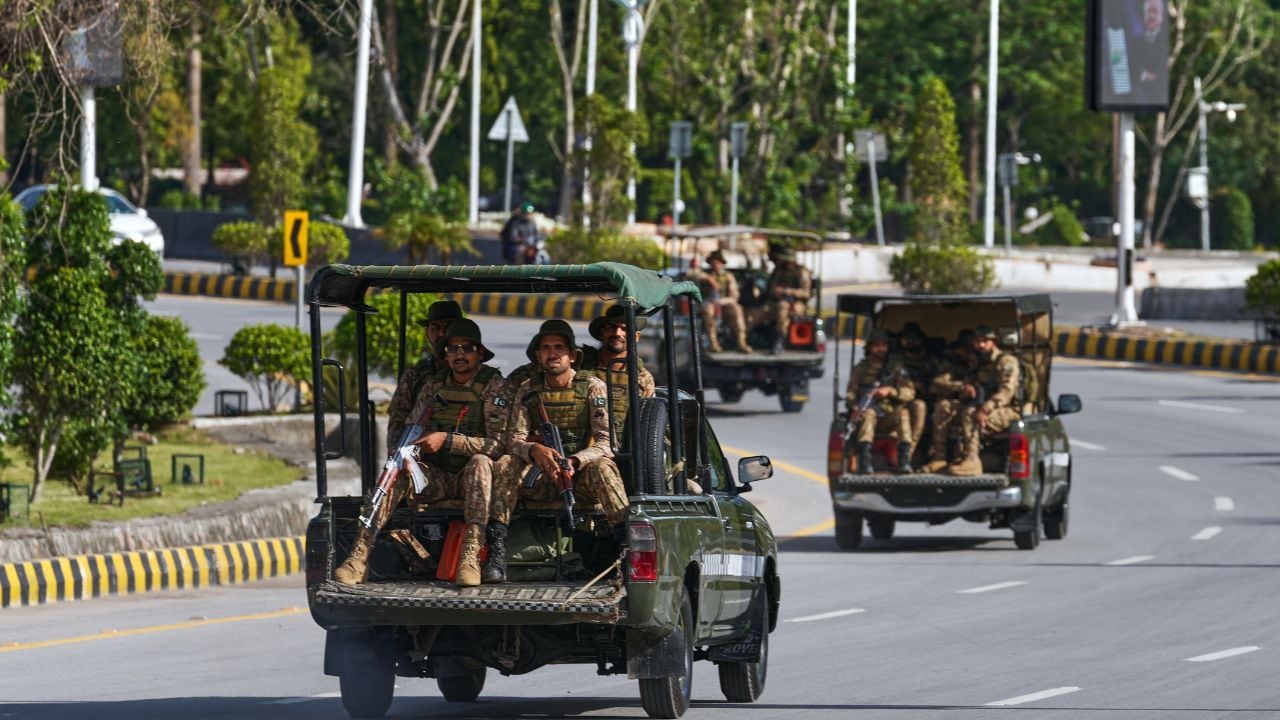
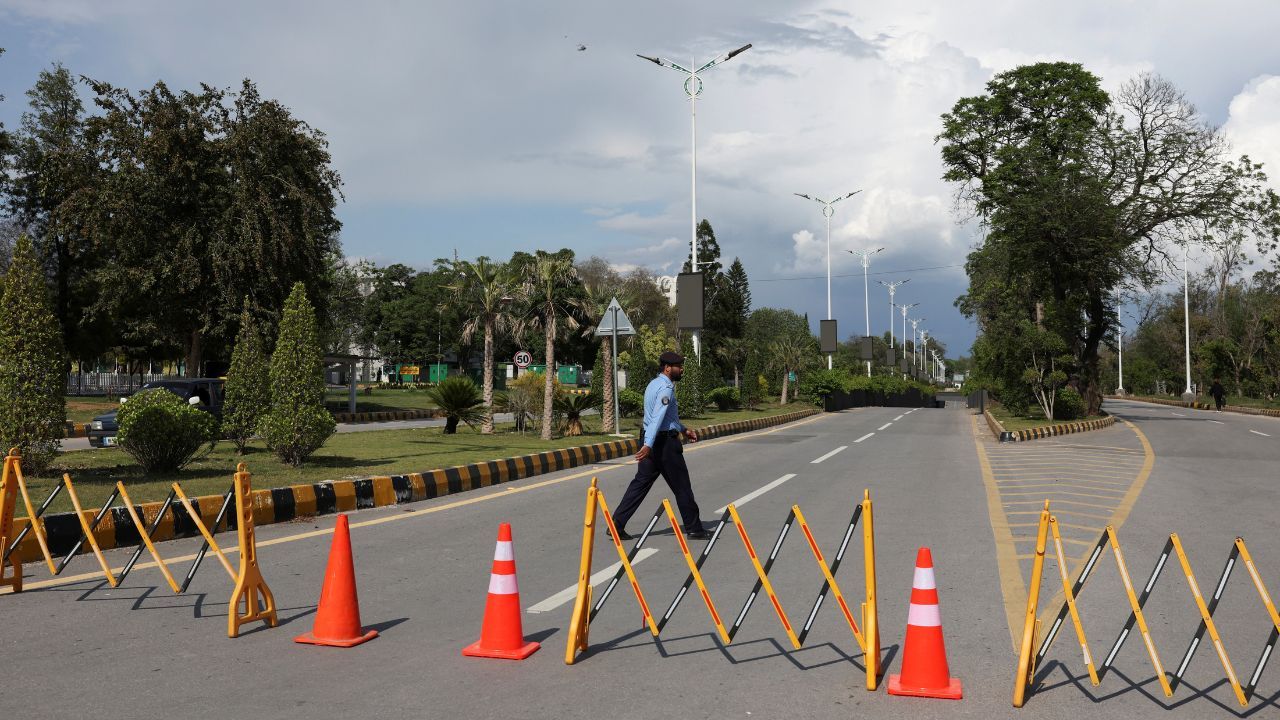
The ink on the U.S.-Iran ceasefire agreement wasn't even dry before the explosions started. If you thought the two-week pause negotiated by the Trump administration would bring a collective sigh of relief to the Middle East, you haven't been paying attention. By Wednesday, April 8, 2026, the deal was already being shredded by a massive Israeli offensive in Lebanon and a retaliatory chokehold on the world's most vital oil artery.
Here’s the reality: we aren’t looking at a "peace process." We’re looking at a high-stakes game of chicken where every player has a different rulebook. While Washington and Tehran shook hands on a temporary halt to direct strikes, Israel decided Lebanon was fair game, and Iran responded by turning off the global energy faucet.
The Lebanon Loophole that Broke the Deal
The core of the problem is a massive disagreement over what the ceasefire actually covers. Pakistan, which helped broker the deal, insists that Lebanon is included. Iran says the same. But Benjamin Netanyahu’s government has been blunt: the deal is between the U.S. and Iran, and it doesn't apply to Hezbollah in Lebanon.
The IDF didn't just maintain pressure; they launched "Operation Eternal Darkness." It was a 10-minute blitz that saw over 100 strikes across Beirut, the Beqaa Valley, and southern Lebanon. It’s being called the largest coordinated strike of the entire offensive.
I’ve seen reports of hospitals in Beirut being "flooded" with casualties. When you hit a busy intersection in the Corniche al-Mazraa neighborhood during rush hour, you aren't just "targeting infrastructure." You're sending a message that the ceasefire is a piece of paper with no authority over Israeli security interests.
Why the U.S. and Israel See Different Realities
President Trump told reporters that Lebanon wasn't part of the deal "because of Hezbollah." He essentially gave the green light for continued operations there while claiming a victory for peace on the Iranian front. This disconnect is dangerous. You can't separate Iran from its proxies and expect Tehran to sit on its hands while its most powerful asset, Hezbollah, gets dismantled.
Iran Strikes Back at the Strait of Hormuz
Iran's response was predictable and devastatingly effective. They didn't launch missiles at Tel Aviv—not yet. Instead, they hit the global economy where it hurts. The Islamic Revolutionary Guard Corps (IRGC) effectively halted tanker traffic through the Strait of Hormuz.
If you’re wondering why your local gas prices just spiked, this is why. The Strait of Hormuz is the world's most important maritime choke point. About 20% of the world's oil consumption passes through this narrow stretch of water.
- The Toll System: Iran is now reportedly charging "tolls" of over $1 million per ship for the few vessels they allow to pass.
- The Blockade: Most major shipping firms have suspended operations entirely because they can't get insurance.
- The Tactics: It’s not just about ships. The IRGC is using satellite spoofing, GNSS jamming, and sea mines to make navigation a nightmare.
Honestly, it's a brilliant, if ruthless, move. Iran is showing that they can cause global chaos without firing a single shot at a U.S. base. By linking the opening of the Strait to the cessation of Israeli strikes in Lebanon, they’ve tied the world’s energy security to a conflict that Israel has no intention of stopping.
The Humanitarian Cost of Operation Eternal Darkness
While the politicians argue over definitions, the ground reality in Lebanon is catastrophic. Lebanese Health Minister Rakan Nassereddine described the situation as total chaos. We’re talking about over 300 people killed in a single day of strikes.
I’ve seen footage of charred vehicles and civil defense teams digging through rubble in residential areas of Beirut. This isn't just "surgical strikes." When a cemetery in Shmestar gets hit during a funeral, killing ten mourners, the "terror target" narrative loses all credibility with the local population.
The Misconception of a "Surgical" War
There’s a common myth that modern warfare is precise. In Lebanon right now, that's being proven wrong every hour. Doctors Without Borders reported that their staff were injured at Hiram Hospital in Tyre. When hospitals and ambulances are being hit, the "collateral damage" excuse starts to sound like a cover for a total war strategy.
Global Fallout and the $126 Barrel
The economic impact of this "ceasefire" is a slap in the face to anyone who thought the markets would stabilize. Oil prices briefly dipped when the deal was announced, but they’ve since rocketed toward $126 per barrel.
It’s not just about oil. This crisis is hitting:
- Aluminum and Fertilizer: Prices are surging as supply chains break.
- Global Shipping: Over 150 tankers are currently loitering outside the Strait, essentially sitting ducks.
- The "Ghost Fleet": Sanctioned Iranian tankers are still moving oil to China, showing that the blockade is selective and designed to punish the West while keeping Tehran’s coffers somewhat full.
Where This Actually Goes Next
Don't wait for a diplomatic miracle. The Saturday talks in Islamabad are supposed to bridge these gaps, but the positions are currently irreconcilable. Israel won't stop until Hezbollah is crippled; Iran won't stop the blockade until Lebanon is safe.
If you’re looking for a way to navigate this, start by watching the insurance markets for maritime shipping. If those rates don't drop, the Strait stays closed. If the Strait stays closed, the global economy is in for a long, cold spring.
Pay attention to the rhetoric coming out of the White House. If the U.S. continues to back the "Lebanon is separate" narrative, expect Iran to keep the Strait of Hormuz turned off. The "two-week" ceasefire is likely to be the shortest fourteen days in diplomatic history.
Keep an eye on the Mediterranean. If the naval presence there increases, we’re moving away from a ceasefire and toward a direct maritime confrontation that could make the current "chokehold" look like a minor inconvenience. Prepare for sustained high energy costs and a very volatile commodities market for the foreseeable future.