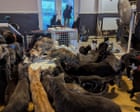
Owning a pet used to be a straightforward joy. Now, for thousands of families across the UK, it’s becoming a financial and mental health nightmare. The RSPCA is currently reporting a terrifying surge in "mass rescues"—cases where dozens of animals are pulled from a single home because the owner simply snapped under the pressure of rising bills and declining mental health. This isn't just about people being "irresponsible." It’s a systemic collapse of the safety net that keeps pets and humans together.
If you’re looking for a reason why local shelters are overflowing, look at the receipts. Veterinary bills are up. Kibble prices are through the roof. When you combine those costs with a national mental health service that’s stretched to the breaking point, you get a recipe for hoarding and neglect. People start with two cats, they can't afford the neutering, and suddenly they're living with thirty animals in a flat that wasn't built for three.
Why the RSPCA is seeing more mass rescues
The RSPCA recently highlighted a shift in the type of calls they’re receiving. We aren't just talking about the occasional stray anymore. We’re talking about "multi-animal households" where the situation has spiraled out of control. These mass rescues are incredibly taxing on charity resources. Imagine trying to find space for 40 neglected guinea pigs or 15 Great Danes in one afternoon. It’s nearly impossible.
The link between the economy and animal welfare is direct. When inflation hits, the "extras" go first. Sadly, for many, the pet’s annual check-up or high-quality flea treatment is seen as an extra. Once the preventative care stops, health problems snowball. A small skin irritation becomes a massive infection. A £50 bill becomes a £500 emergency. At that point, many owners freeze. They don't call for help because they're terrified of being judged or prosecuted. They hide. And that's when the situation turns into a crisis.
The mental health trap nobody talks about
Mental health plays a massive role in these large-scale rescue operations. Hoarding disorder and severe depression often manifest in how people interact with their pets. Some owners believe they’re the only ones who can truly "save" these animals, even as the animals suffer in cramped, unsanitary conditions. It’s a tragic irony. They love the animals so much they end up hurting them.
Social isolation makes this worse. Since the pandemic, more people are working from home or staying indoors to save money. The "eyes on the street" are gone. Neighbors don't notice the smell or the noise until it’s far too late. By the time the RSPCA inspectors arrive, the owner is often in as much distress as the animals. We have to stop treating these as purely criminal cases and start seeing them as the public health crises they actually are.
The soaring price of being a pet owner
Let's get real about the numbers. The cost of pet food has risen significantly faster than general inflation in recent years. If you’re on a fixed income, that 20% jump in the price of a bag of dog food means you’re skipping your own meals to feed the hound.
Then there’s the "vet desert" problem. In many parts of the country, low-cost clinics have huge waiting lists. Private practices, often bought up by large corporations, have seen prices climb. If your dog needs a simple procedure like a dental cleaning, you might be looking at several hundred pounds. For someone choosing between heating their home and fixing their cat’s teeth, there’s no "good" choice.
How to spot the signs before a mass rescue happens
Prevention is the only way out of this. If you have a friend or neighbor who seems to be collecting more animals than they can handle, don't wait for a disaster. Signs of a brewing mass rescue include:
- Social withdrawal: The owner stops letting people inside the house.
- Visible health issues: You see multiple animals with matted fur, visible ribs, or lethargy.
- Unusual odors: A strong smell of ammonia or waste coming from a property.
- Accumulation of supplies: Seeing bags of cheap feed piled up outside but no sign of the animals getting exercise.
Early intervention saves lives. It’s often better to help an owner rehome three out of five dogs now than to wait until the RSPCA has to seize twenty dogs later.
Changing how we support pet owners
The current model is broken. We can't just expect the RSPCA or local shelters to pick up the pieces when the economy fails. We need a more integrated approach. This means better access to low-cost spay and neuter programs. It means mental health professionals working alongside animal welfare officers. Most importantly, it means removing the stigma of asking for help.
If you’re struggling, the worst thing you can do is stay silent. Many food banks now stock pet food. Organizations like the Blue Cross and PDSA offer means-tested veterinary care. There are options. But you have to take them before the situation becomes a headline.
What you can do right now
If you’re in a position to help, consider donating to your local independent rescue rather than just the big national names. These smaller groups are often the ones taking the "overflow" from mass rescues. If you’re a pet owner, prioritize pet insurance. It feels like an annoying monthly drain until your cat eats a ribbon and you're staring at a £2,000 surgery bill.
If you suspect someone is in over their head, approach them with kindness. "I noticed you've got a lot on your plate, can I help you take the dogs for a walk?" works better than a judgmental comment about the state of their yard. We’re all just a few bad months away from a crisis. Treating each other with a bit of grace might just prevent the next mass rescue from happening in your neighborhood.
Stop waiting for the government to fix the cost of living. Check on your neighbors. Support your local pet food bank. Keep your own vet appointments. The bond we have with our animals is worth protecting, but it’s a bond that requires a stable foundation to survive.