A dollar bill is a strange piece of paper. It is a blend of cotton and linen, specifically 75 percent to 25 percent, designed to survive a trip through a washing machine or the friction of a thousand pockets. It smells like copper and old libraries. Most of us never look at it. We slide it across counters for coffee, fold it into greeting cards, or crinkle it into the depths of a jeans pocket without a second thought. But look closer. Beneath the "1" and the "United States of America," there is a line reserved for a signature.
For over a century, that space has belonged to the bureaucrats. It is the domain of the Treasurer and the Secretary of the Treasury—the quiet architects of the financial system. These are people whose names usually trigger a blank stare at a dinner party. They are the guardians of stability, their cursive scripts serving as a formal, almost invisible guarantee that the paper in your hand is worth exactly what it says it is.
That is changing.
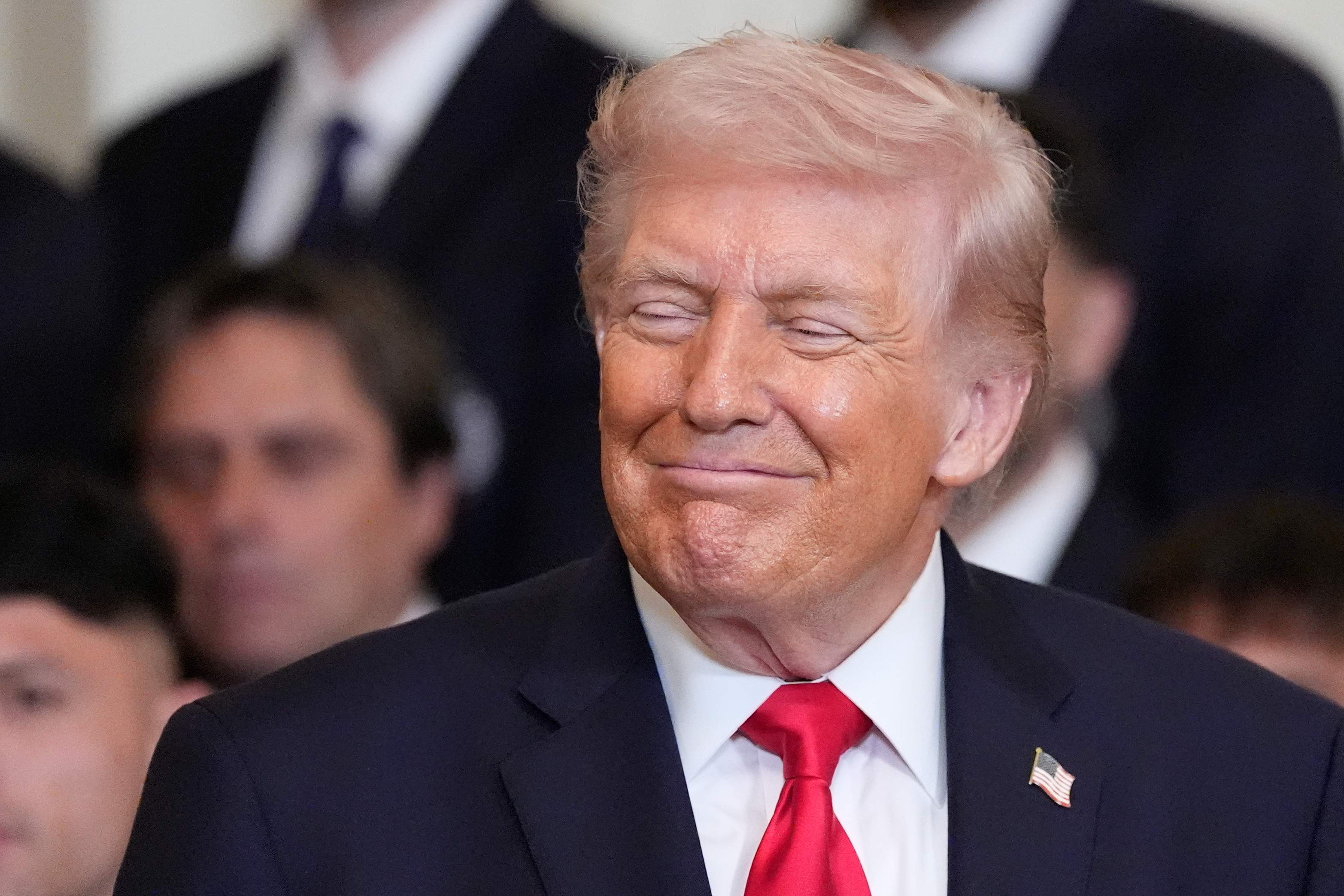
Donald Trump is set to become the first sitting president to have his signature printed on U.S. currency. It sounds like a minor technicality, a footnote for a future trivia night. Yet, it shifts the very nature of the object in your palm. Suddenly, the money is no longer just a product of a vast, faceless institution. It carries the specific, bold ink of a single personality.
The Ink That Never Fades
Consider the journey of a single bill. It begins at the Bureau of Engraving and Printing, where massive steel plates apply pressure so intense it physically deforms the paper, creating the "raised" feel of a genuine note. Historically, this process was an exercise in anonymity. The signatures of officials like Rosa Rios or Steven Mnuchin weren't meant to be "famous." They were meant to be functional. They represented the office, not the individual.
By placing a presidential signature on the note, the government is breaking a pattern that has held firm since the Republic began printing modern paper tender. In the past, presidents appeared on money only after they were long gone—memorialized in steel-engraved portraits as symbols of history rather than active players in the current political drama. You don't argue with Abraham Lincoln on a five-dollar bill. He is a monument. He is finished.
A sitting president is different. A sitting president is gravity. They are the news cycle. They are the argument at the Thanksgiving table. When that signature hits the plate, the currency stops being a historical artifact and starts being a contemporary statement.
Imagine a small-town cashier in Ohio. She handles hundreds of bills a day. To her, money is utility. It’s the electricity bill; it’s the gallon of milk. When she encounters a bill signed by a living, presiding leader, the transaction changes. For some, that signature will feel like a badge of strength, a personal promise of prosperity from the man at the top. For others, it will feel like an intrusion of the 24-hour news cycle into the one place that used to be neutral ground: the wallet.
The Ghost in the Machine
We often talk about "faith and credit" as if they are abstract economic terms. They aren't. They are human emotions. You accept a piece of paper for your labor because you have faith that the next person will do the same. This faith is built on the idea that the currency is bigger than any one person. It is the "Greenback," a steady, unchanging force.
When the signature of a sitting president is introduced, we are testing the limits of that neutrality. In a hypothetical scenario, think of a traveler in a foreign country trying to exchange a hundred-dollar bill. To the local money changer, the U.S. dollar is the ultimate "safe haven." It represents the American system. If that bill suddenly carries the bold, recognizable script of a polarizing figure, does the perception of the "system" shift toward the perception of the "individual"?
The stakes are invisible but massive. Money relies on the illusion of permanence. We need it to feel like it has always existed and will always exist, independent of who won the last election. By branding the currency with the name of the current occupant of the White House, we are tying the value of the dollar—even if only symbolically—to the personality of the presidency.
Script and Symbolism
There is a tactile reality to this change. The signature of Donald Trump is not a delicate, looping scrawl. It is a series of sharp, vertical peaks and valleys, often compared to a seismograph readout or a skyline. It is aggressive. It takes up space. It does not apologize for being there.
When this signature is etched into the printing plates, it becomes part of the physical architecture of the global economy. Every time a bill is printed, a mechanical arm applies that ink with robotic precision. Millions of times over. It is a level of branding that no marketing firm could ever buy. It is the ultimate "Limited Edition," except the edition size is in the billions.
This isn't just about ego or tradition. It’s about the psychology of ownership. We call it "our" money, but the government "issues" it. There is a tension there. For decades, the signatures on our bills were so obscure they almost felt like they belonged to us—the public. They were the signatures of civil servants. Now, the signature belongs to a leader. It changes the power dynamic of the transaction. You aren't just holding a dollar; you are holding a document signed by the Chief Executive.
The Long Memory of Paper
Paper money lasts longer than we think. A one-dollar bill typically stays in circulation for about six years. A twenty-dollar bill can last nearly eight. This means that long after an administration has ended, the physical evidence of its tenure will still be circulating in laundromats, vending machines, and tip jars across the globe.
We are creating a trail of breadcrumbs through time. Years from now, a child might find one of these bills in the back of a drawer. They won't remember the rallies or the tweets. They will just see the name. They will ask who it was and why he put his name there.
That is the true intent of the gesture. It is a reach for permanence in a world that moves too fast. It is an attempt to etch a legacy into the very fabric of daily life, one twenty-dollar bill at a time.
But there is a risk. When you make money personal, you make it fragile. The strength of the dollar has always been its cold, hard indifference to the whims of the moment. It didn't care who you voted for. It just worked. By adding the signature of a sitting president, we are inviting the heat of politics into the cold world of finance. We are asking the dollar to do more than just buy goods; we are asking it to carry a message.
The next time you reach into your pocket, you might find yourself pausing. You’ll catch the light on the ink. You’ll trace the jagged lines of a name you know all too well. And in 그 moment, the bill will feel a little heavier than it did before.
It’s no longer just a dollar. It’s a choice. It’s a piece of history that is still being written, printed in real-time, and handed to you as change for a five.
The ink is still wet.