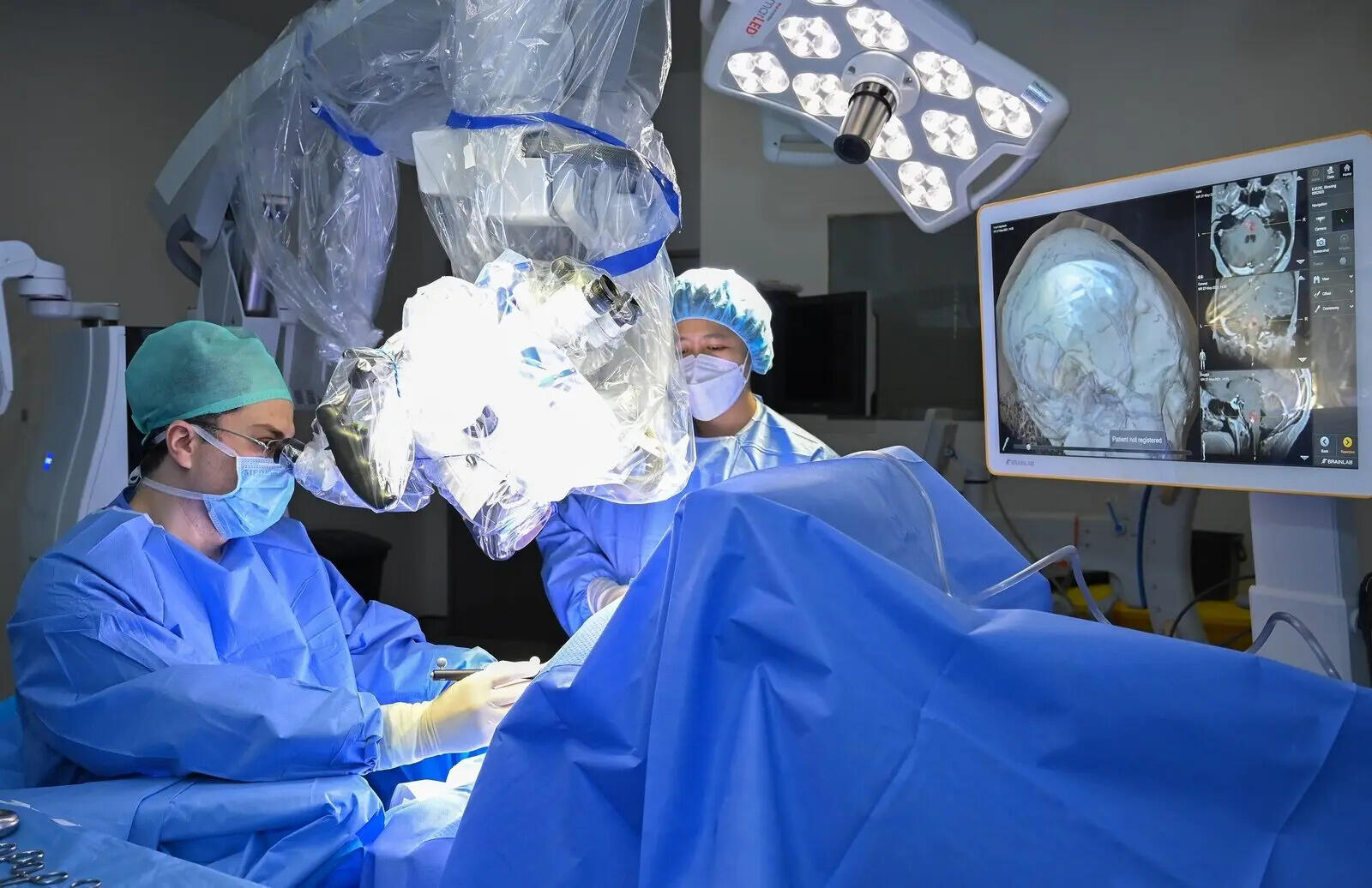
The press releases are glowing. The headlines celebrate "flexibility" and "efficiency." The UAE has opened the floodgates by allowing medical faculty to practice in hospitals and loosening the licensing strings for fresh graduates. On the surface, it looks like a masterstroke in talent acquisition. In reality, it is a desperate play that risks turning a high-end medical ecosystem into a high-volume processing center.
We are told that lowering the barriers to entry will solve the physician shortage. This is the first great lie of healthcare administration. You don't fix a shortage by diluting the standard; you fix it by making the environment so lucrative and efficient that the world’s top 1% fight for a seat. By easing the path for graduates and blurring the lines between academic theory and clinical practice, the UAE isn't just inviting more doctors. It’s inviting mediocrity to take root in a system that was supposed to be world-class.
The Academic Myth: Teaching Does Not Equal Treating
The new rules allow faculty members—people who spend their days in lecture halls and research labs—to walk straight into hospital wards. The logic? They have the knowledge. The reality? Clinical intuition is a muscle that atrophies without constant, high-stakes repetition.
Knowledge is cheap. Application is expensive. Being able to cite the latest peer-reviewed paper on myocardial infarction does not mean you can navigate a complicated surgical complication at 3:00 AM when the patient is crashing. Medicine is a craft, not just a science. By granting "automatic" or eased clinical rights to faculty, we are assuming that teaching a subject is the same as performing it.
I have seen systems try this before. They end up with a tiered class of "consultants" who can talk a great game in the boardroom but lack the calloused hands of a full-time clinician. If you are a patient, do you want the doctor who taught thirty classes this month, or the one who performed thirty procedures? The answer is obvious. This rule change prioritizes headcount over outcomes.
Fresh Graduates and the Shortcut to Responsibility
Then there is the easing of licensing for graduates. The argument here is "youth and energy." The counter-argument is "experience and safety."
Medical school is the starting line, not the finish. The UAE’s drive to bypass traditional, rigorous vetting for new graduates creates a vacuum of mentorship. When you flood the floor with juniors who haven't had to jump through the traditional hoops, you put an immense, uncompensated burden on the senior staff to babysit.
The "lazy consensus" says that more doctors equals better care. It doesn't. More autonomous, highly-vetted doctors equals better care. A fleet of inexperienced graduates with streamlined licenses is just a liability waiting to happen. It’s a shortcut taken by bureaucrats who care more about "doctor-to-patient ratios" on a spreadsheet than the actual quality of the intervention.
The Licensing Race to the Bottom
Every major medical hub—London, Boston, Singapore—maintains its prestige through exclusivity. The moment you make it "easier" to get a license, you signal to the global market that your standards are negotiable.
- The Brain Drain Paradox: Top-tier surgeons don't want to work in a place where anyone can get a license. They want to be surrounded by peers who are as good or better than they are.
- The Insurance Nightmare: Imagine the actuarial conversations happening behind closed doors. When licensing hurdles drop, risk profiles rise. Eventually, the cost of this "flexibility" will be passed down to the clinics and patients through soaring premiums.
- The Perception Gap: If a license is easy to obtain, it is perceived as low value. The UAE should be the most difficult place on earth to practice medicine. It should be the gold standard, not the path of least resistance.
The Hidden Cost of Talent Liquidity
The government wants "liquidity" in the labor market. They want doctors to move freely between universities and hospitals. But healthcare isn't a gig economy.
True excellence in a hospital comes from stable teams that have worked together for years. It comes from "institutional memory." When you create a revolving door where faculty members dip in and out of clinical work, you shatter the team dynamic. You get a fragmented service where the "visiting" professor doesn't know the nurses, doesn't know the electronic health record system inside out, and isn't there to deal with the long-term fallout of their decisions.
This isn't "synergy." It’s chaos disguised as collaboration.
What No One Tells You About "Modernizing" Healthcare
People ask: "Won't this reduce wait times?"
Maybe. But I'd rather wait three weeks for a master than see a novice today.
People ask: "Is this good for the economy?"
Short-term, yes. It fills office space and generates permit fees. Long-term, no. One high-profile medical malpractice incident involving an "eased-license" practitioner can wipe out a decade of "Medical Tourism" marketing in a single weekend.
If the UAE wants to lead, it needs to stop looking for ways to make things easier. It needs to make things harder, but better.
- Stop the Faculty Free Pass: Faculty should undergo the exact same clinical rigorous testing as a full-time surgeon. No exceptions. No "academic" shortcuts.
- Tiered Licensing, Not Eased Licensing: If you want graduates, put them on a restricted license that requires documented, 1-to-1 supervision for years, not months.
- Pay for Quality, Not Presence: The current model rewards volume. If we are going to let more people in, the reimbursement should be tied strictly to 12-month patient outcomes. Watch how fast the "eased" applicants disappear when they are held accountable for the long-term results.
We are currently sacrificing the prestige of the UAE medical brand on the altar of administrative convenience. You can’t shortcut your way to a Mayo Clinic or a Cleveland Clinic. Those institutions aren't famous because they made it easy for people to work there; they are famous because they made it nearly impossible for anyone but the best to get through the door.
The UAE is currently doing the opposite. It’s a bold move, but it’s a move toward the middle of the pack. And in medicine, the middle of the pack is a dangerous place to be.
Stop celebrating the "easing" of rules. Start mourning the end of exclusivity.