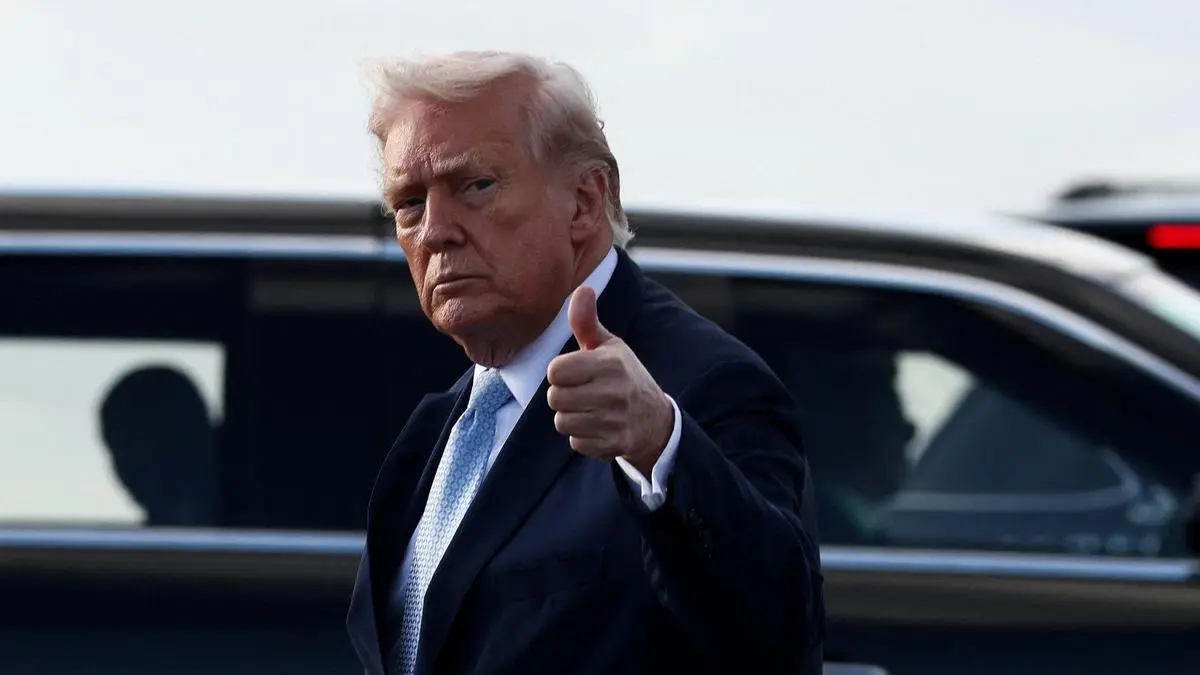
If you're looking at the headlines today, you're probably confused. On one hand, President Trump is on Truth Social telling the world that the U.S. is "getting very close" to its objectives and considering "winding down" military efforts against Iran. On the other hand, the Pentagon is literally shoving 2,500 more Marines and a fleet of warships into the Persian Gulf.
It feels like a massive contradiction. But if you've followed this administration for any length of time, you know there's always a method to the mixed signals. This isn't just about a "winding down" of a three-week war; it’s about a high-stakes pivot to get oil prices under control before the global economy takes a permanent dive.
The mission accomplished moment that isn't
The President’s claim that we've met our objectives is a classic move. He’s essentially declaring victory so he can keep his options open. According to the White House, the U.S.-Israeli strikes since February 28 have "obliterated" Iran’s navy, air force, and its senior leadership—including the reported death of the Supreme Leader.
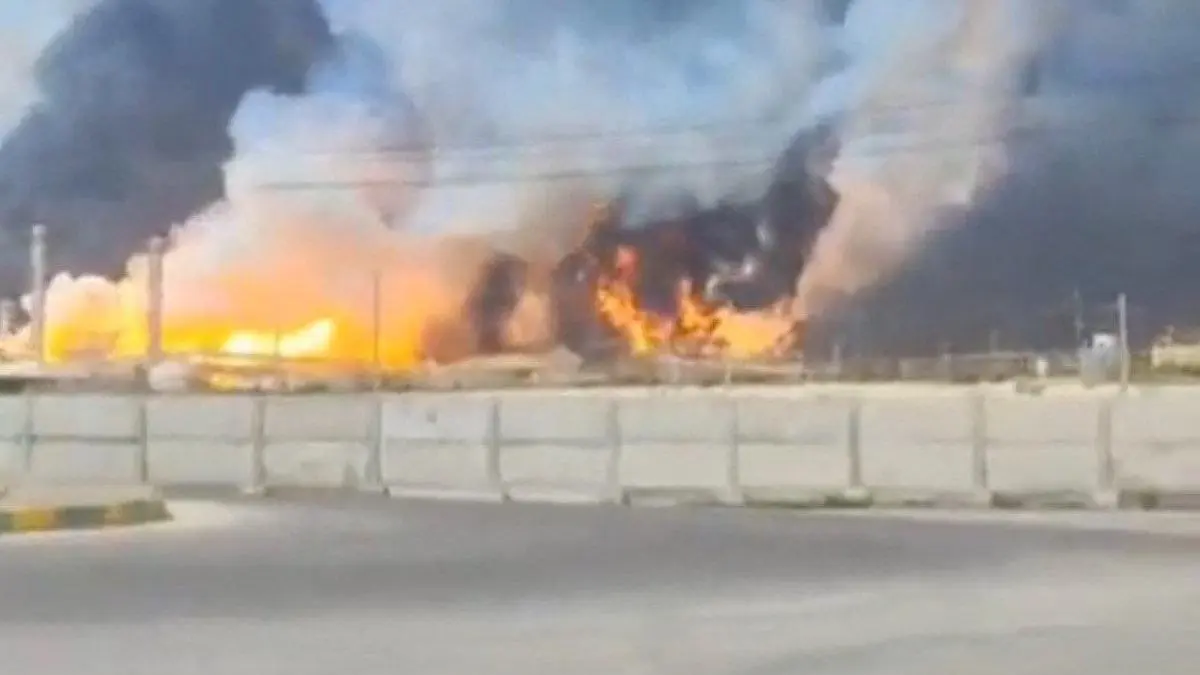
But "finished" is a relative term in the Middle East. While the conventional Iranian military might be in tatters, the "asymmetric" threat is very much alive. We're talking about 2,000 drone attacks reported by the UAE and continued strikes on oil refineries in Kuwait. If the mission is so "accomplished," why is the administration asking Congress for another $200 billion?
The reality is that the U.S. is stuck. We can blow up every radar station in Iran, but we still haven't solved the one problem that actually matters to your wallet: the Strait of Hormuz.
Why the Strait of Hormuz is the real bottleneck
Trump wants out, but he can't just walk away while 20% of the world’s oil and LNG is blocked. The Strait of Hormuz is currently a graveyard of naval mines and drone debris. Iran has effectively choked the world's energy supply, sending Brent crude screaming past $108 a barrel.
Trump’s new strategy seems to be:
- Declaring the "threat eradicated": By saying the main military goals are met, he's signaling to the markets that the "war" part is ending.
- Passing the buck: He’s explicitly told NATO and other nations that use the Strait to start policing it themselves. He’s called them "cowards" for not sending their own minesweepers, but now he's trying to force their hand by threatening to leave.
- The Kharg Island Factor: Rumors from Axios suggest the U.S. is eyeing a potential occupation of Kharg Island—the hub for almost all Iranian oil exports. The idea is to "catch them by the balls" (to use the reported quote) and use the island as the ultimate bargaining chip.
The oil sanction flip flop
In perhaps the most desperate move to lower gas prices, the administration just announced it’s lifting sanctions on Iranian oil already loaded on ships. It’s a temporary reprieve meant to flood the market with "stranded" oil within three to four days.
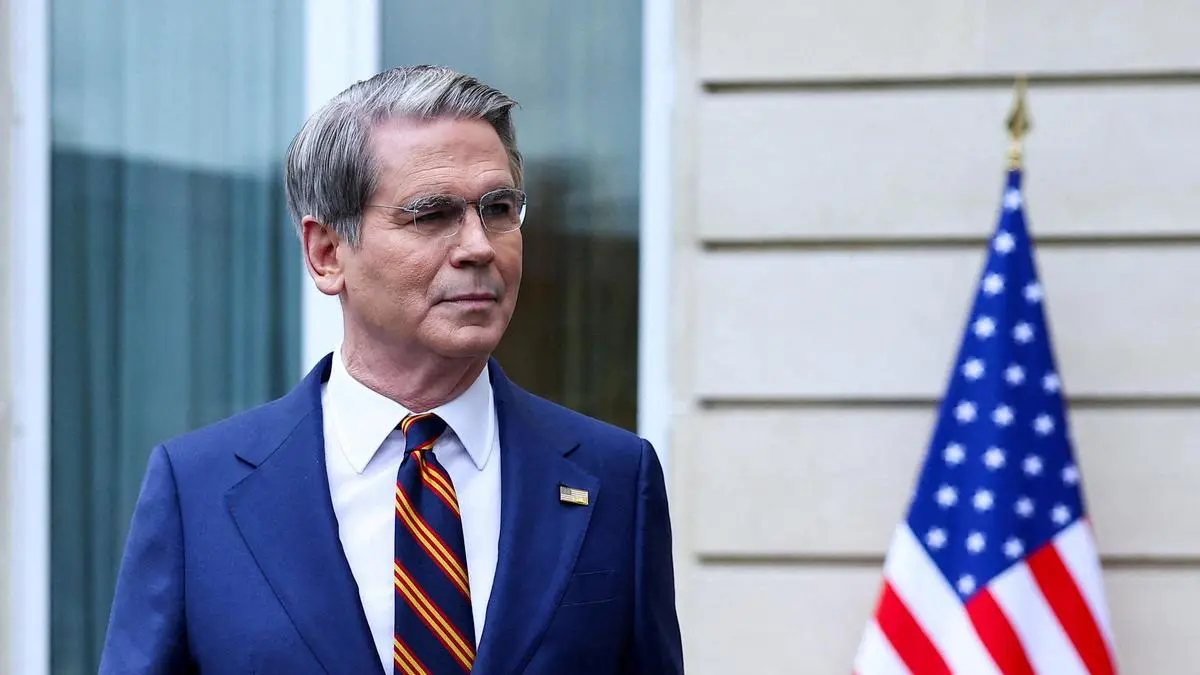
It’s a bit of a gamble. You’re essentially giving the "terrorist regime" you just spent three weeks bombing a financial lifeline to prevent a domestic political disaster over energy costs. Treasury Secretary Scott Bessent is framing this as a way to keep China from being the only one getting cheap Iranian oil, but it looks a lot like an admission that military force alone didn't fix the economy.
What this means for the next few weeks
Don't expect the Marines to come home just because Trump used the words "winding down." Those 2,500 additional Marines from the USS Tripoli group aren't there for a victory parade. They’re likely there to secure the coast or prepare for a potential ground "excursion" to secure energy infrastructure.
If you're trying to figure out what's actually going to happen, watch the Strait of Hormuz.
- Watch the minesweepers: If European or Asian nations finally cave and send ships to clear the water, Trump gets his "off-ramp."
- Monitor the oil prices: If the temporary lifting of sanctions doesn't bring Brent crude back under $90, the military pressure will likely escalate, not wind down.
- The Israel Gap: Keep an eye on the friction between Trump and Netanyahu. Israel is talking about a "six-week" plan to dismantle the IRGC, while Trump is talking about being done in "two or three days." That's a massive strategic disconnect that could lead to the U.S. pulling back while Israel doubles down.
The "winding down" talk is a signal to Tehran that a deal is on the table, but the troop surge is the reminder that the table can still be flipped. It’s a brutal, messy balancing act that has the global economy hanging by a thread.
If you’re worried about fuel costs or your 401k, the next 72 hours are the real test. Either the "stranded oil" starts moving and the markets calm down, or we're looking at a much longer, much more expensive occupation than anyone at the White House is willing to admit.