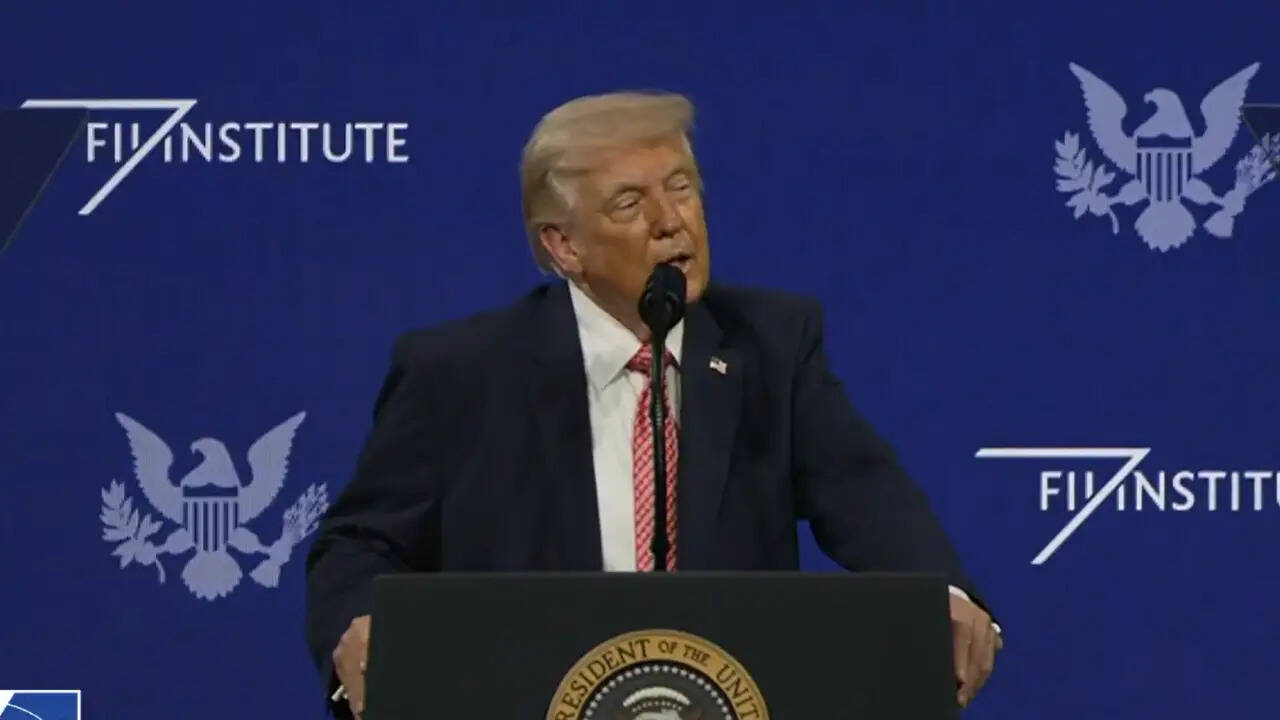
Donald Trump doesn't want another "forever war," even if it means leaving the world’s most important oil artery choked off. Reports coming out of the White House on March 30, 2026, suggest the President told his inner circle he’s willing to wrap up military operations against Iran without actually reopening the Strait of Hormuz. It’s a move that’s sent shockwaves through energy markets and left allies wondering who, exactly, is going to go in and do the dirty work.
The logic is simple, if a bit ruthless. Trump’s team looked at the math and realized that prying the Strait open would take months. He’s on a strict four-to-six-week timeline for this campaign, and we're currently on day 31. Rather than get bogged down in a grueling maritime clearance operation, the administration wants to break Iran's navy, smash its missile sites, and then call it a day.
The four week limit
Trump’s obsession with the clock isn't just about optics. He's hyper-aware of how previous administrations got stuck in Middle Eastern quagmires. White House Press Secretary Karoline Leavitt confirmed the President and the Pentagon are sticking to that initial window. If they can’t clear the mines and drones in the next ten days, they aren’t going to wait around.
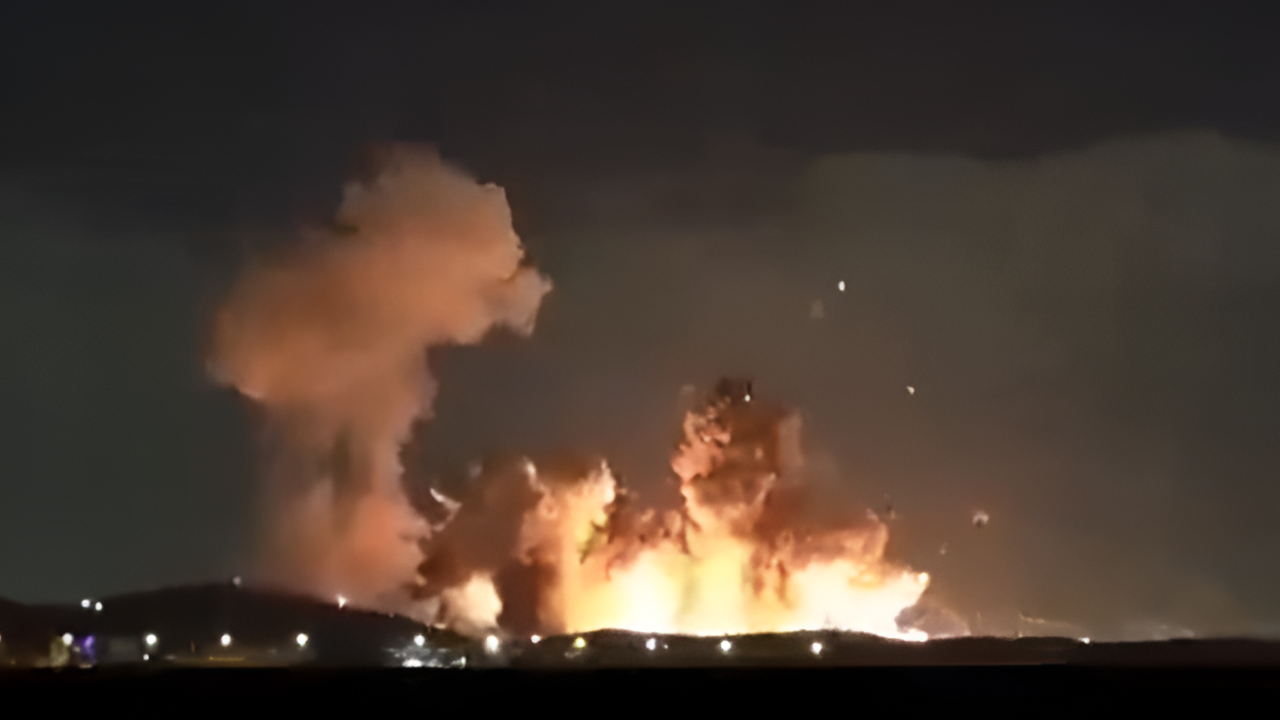
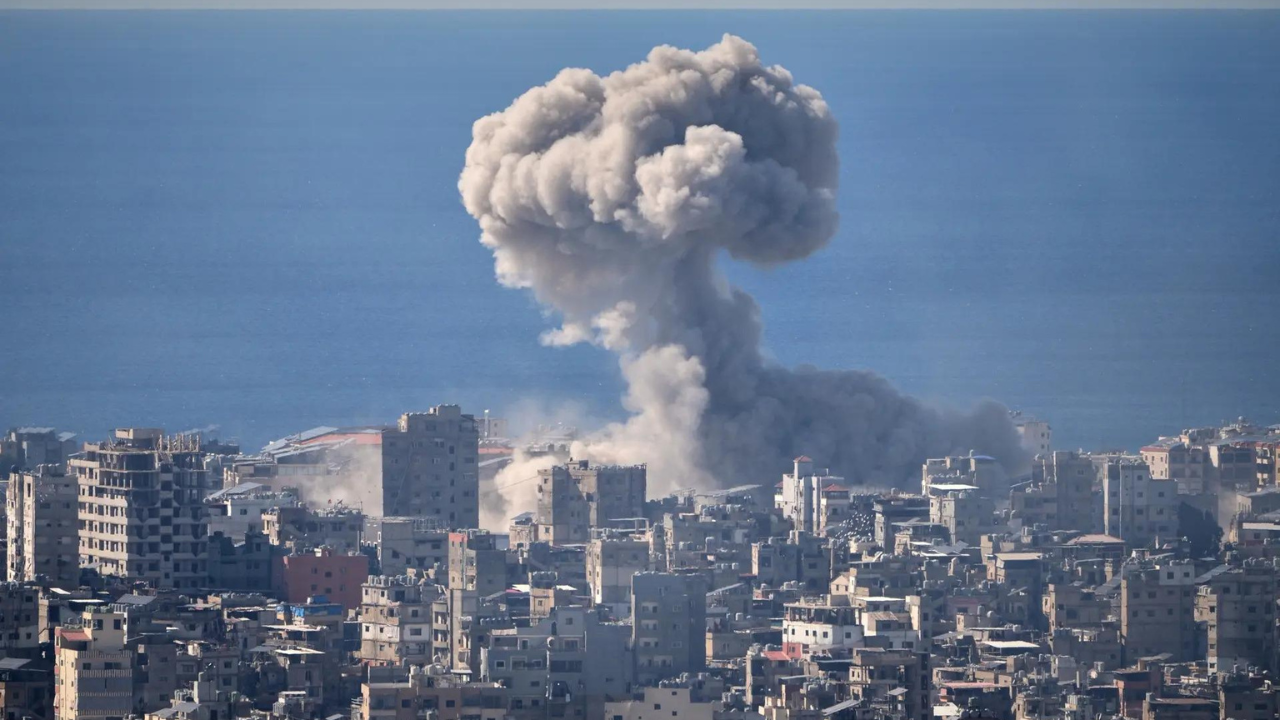
The strategy right now is "degrade and depart." By focusing on Kharg Island and Iran’s coastal defense systems, the U.S. hopes to leave Tehran too weak to project power, even if the water stays dangerous for tankers. It’s a massive gamble. If the U.S. pulls back its primary strike force, the "insurance" Trump promised to tankers basically vanishes.
Why the Strait stays shut
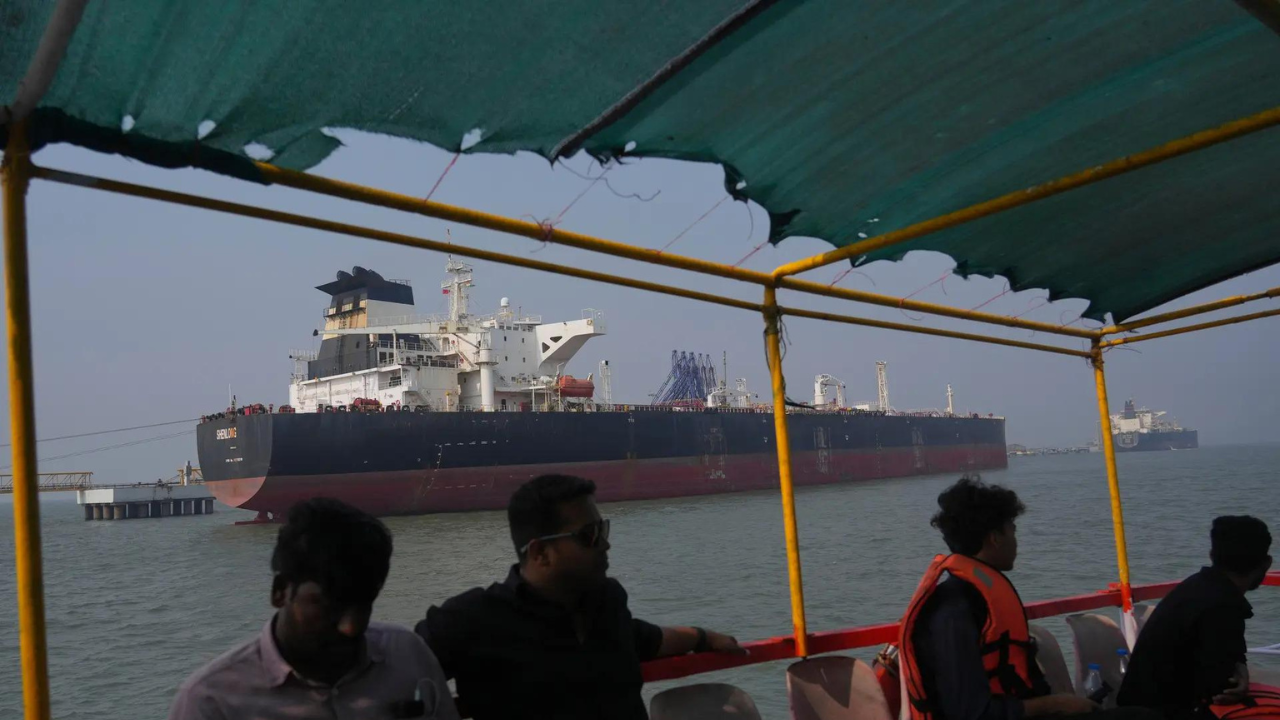
Tehran isn't budging. Despite the assassination of high-ranking officials and the relentless bombing of military infrastructure since February 28, the Islamic Revolutionary Guard Corps (IRGC) has successfully turned the waterway into a no-go zone. They’ve used a mix of "ghost" tankers, mines, and shore-based missiles to paralyze traffic.
Before the war, about 21 million barrels of oil flowed through here every day. Since March 1, that’s dropped by a staggering 95%. Only a handful of Chinese ships and a few daring "ghost" tankers are making the trip. Most of the world's fleet is sitting idle or taking the long way around Africa, which adds weeks to delivery times and sends gas prices at home screaming past $4 a gallon.
Passing the bucket to NATO and the Gulf
If Trump follows through and winds down the campaign without securing the passage, he expects everyone else to pay for the cleanup. He’s already called out NATO allies, labeling their refusal to join the fight a "foolish mistake" and calling them "cowards."
His plan for the "day after" involves:
- Demanding that oil-importing nations like Japan, South Korea, and the EU form their own naval task force.
- Pressuring Gulf states like Saudi Arabia and the UAE to "pick up the tab" for security.
- Using diplomatic pressure to force a weakened Tehran to back down, rather than using American hulls to clear the mines.
This "America First" maritime policy is basically telling the world: "We destroyed the threat; you clear the debris."
The Kharg Island threat
Don’t mistake this willingness to leave for softness. Trump is still swinging a very large hammer. On Monday morning, he threatened to "completely obliterate" Iran’s electric plants and the critical oil export terminal at Kharg Island if a deal isn't reached immediately.
He’s basically holding the Iranian economy’s last lung hostage. He's saying he'll stop the war, but only after he ensures Iran has nothing left to sell even if the Strait did open. It’s a brutal form of leverage. He wants the Iranian regime to be the ones begging to open the Strait just so they can try to rebuild from the rubble.
What this means for your wallet
You’re going to feel this at the pump, and soon. With the U.S. signaling it won't stay to guarantee safe passage, insurance premiums for tankers are going to stay in the stratosphere. Even if the shooting stops, the "war risk" surcharges won't.
If you're waiting for $3 gas to return, don't hold your breath. The shift in strategy suggests that the global energy market will have to get used to a "new normal" where the Strait of Hormuz is a contested, high-risk zone rather than a guaranteed highway.
Watch the troop movements
Despite the talk of winding down, the U.S. is still moving pieces onto the board. The USS Tripoli and the 31st Marine Expeditionary Unit just arrived. About 2,500 additional Marines are heading to the region, specifically trained for amphibious landings.
This suggests a "Plan B" is lurking. Trump might be willing to end the aerial war, but he's keeping enough boots on the ground to seize specific assets—like Iran's uranium reserves or Kharg Island—if Tehran tries to call his bluff.
Keep an eye on the next 72 hours. If we don't see a massive uptick in de-mining operations, you can bet the U.S. is preparing to pack up and leave the world to figure out its own energy security. If you're invested in energy stocks or just worried about your commute, start prepping for a long, expensive summer.