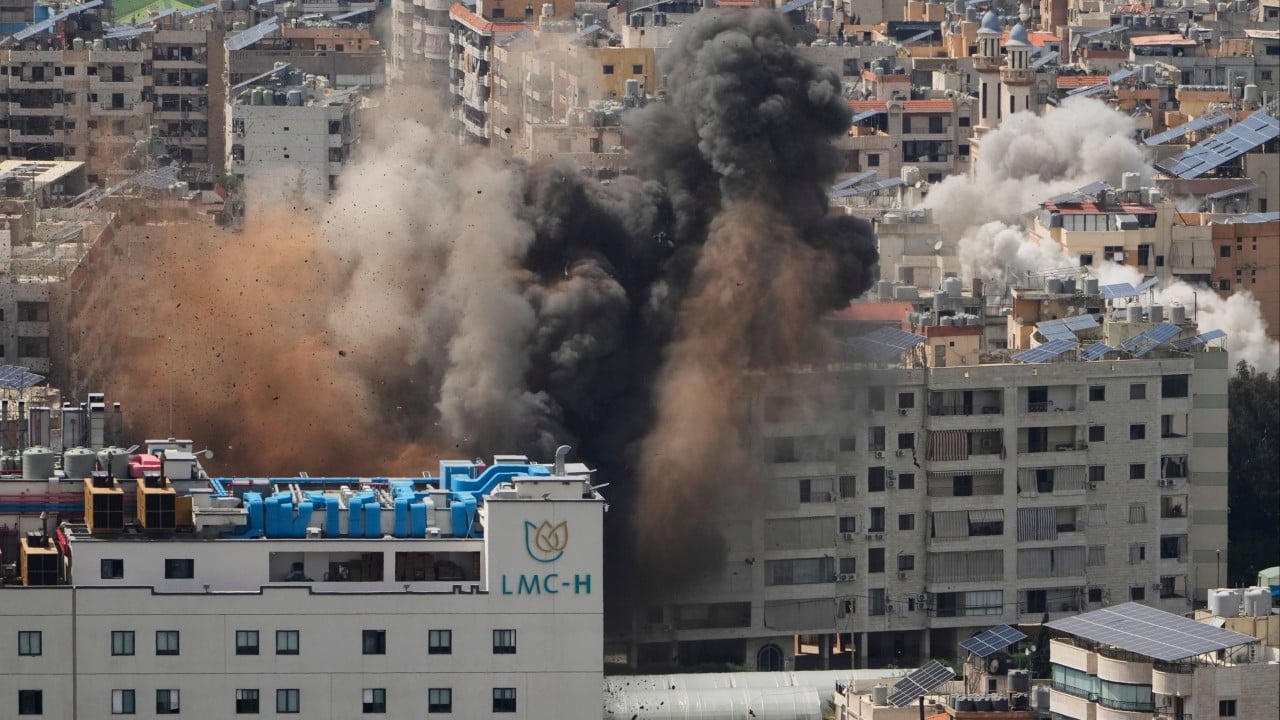
The media is obsessed with the theater of the "fragile" truce. They track every stray bullet in Lebanon like it’s the spark for World War III. They hang on every syllable of a Trump social media post as if his rhetoric is the primary engine of Middle Eastern stability. It isn't.
Most analysts are looking at the smoke and missing the fire. They treat the current friction between Iran, Lebanon, and Israel as a series of isolated tactical failures. They ask, "Will the ceasefire hold?" That is the wrong question. The real question is: Why do we still believe these 20th-century border skirmishes dictate the long-term power map of the region?
The "lazy consensus" suggests that a few rounds of "shooting" mean the diplomacy failed. In reality, the shooting is the diplomacy.
The Myth of the Fragile Peace
The press loves the word "fragile." It’s a safety net for lazy reporting. If things go well, they were right to be cautious; if things explode, they told you so. But peace in the Levant has never been a static state. It is a kinetic, ongoing negotiation involving rockets, back-channels, and economic strangulation.
When Trump warns that the shooting could start again, he isn’t providing a deep geopolitical insight. He’s stating the obvious to maintain his brand as the "strongman" arbiter. But look at the mechanics of the Hezbollah-Israel dynamic. Neither side is actually "testing" the truce because they forgot how to be peaceful. They are testing the new floor of their mutual deterrence.
I have spent years watching these "red lines" move. In 2006, the lines were fixed. Today, they are fluid. The current violence in Lebanon isn't a sign that the truce is broken; it is the process by which the truce is defined.
Why the "Shooting" Narrative is a Distraction
Focusing on the kinetic exchange—the literal bullets and drones—ignores the massive structural shifts happening under the surface. While the world watches Lebanon, three things are happening that actually matter:
- The irrelevance of central governments. The Lebanese state is a ghost. It doesn't matter what "agreements" are signed in Beirut. The real power lies in the non-state actors who control the logistics of the south.
- The shift to "Gray Zone" warfare. Traditional truces assume a binary: war or peace. We are now in a permanent state of "Mowing the Grass," a term used by Israeli defense officials to describe the constant, low-level suppression of threats. This isn't a failure of peace; it’s the new definition of it.
- The Economic Irony. Iran is broke, yet its influence has never been more pervasive. Why? Because it has mastered the art of "cheap" leverage. A drone that costs $20,000 forces an interceptor that costs $2 million.
Trump as the Great Disrupter or the Great Mirror?
The competitor article frames Trump as a warning voice, a looming shadow over the Iranian regime. This misses the point of how Middle Eastern actors perceive American shifts. They don't see Trump as an unpredictable wild card anymore. They see him as a predictable transactional player.
Tehran knows exactly what he wants: a "deal" he can put his name on. They aren't afraid of the "shooting" starting again because they know Trump’s base is fundamentally isolationist. He talks a big game about kinetic force, but his actual history suggests he is more interested in the Abraham Accords—economic normalization—than he is in a prolonged ground war in the Bekaa Valley.
The "scary" rhetoric is actually a stabilization tool. By signaling an extreme stance, he forces the parties to the table to avoid the "or else." But the media treats it like he’s a pyromaniac with a match.
The Logic of Proxy Conflict
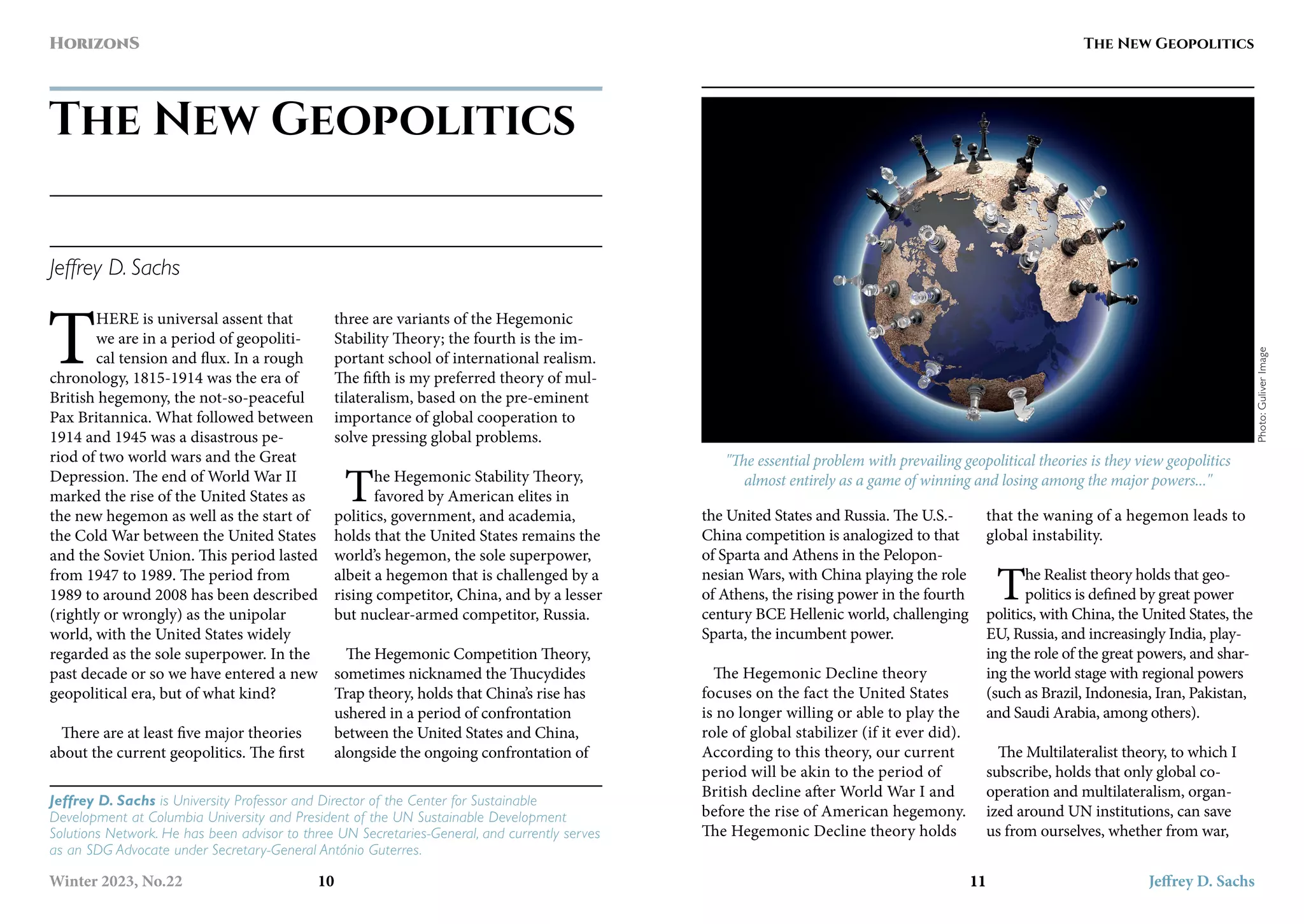
We need to stop pretending that Iran and Israel are two boxers in a ring. It’s more like a game of 4D chess where the board is on fire and the pieces are constantly being swapped out.
The Lebanon Trap
Lebanon is not a country in this context; it is a laboratory. When violence erupts there, it is often a signal sent from Tehran to Washington, or from Jerusalem to Riyadh.
- The Iran Angle: Iran uses Lebanon to show they can ignite the periphery if they are squeezed too hard on their nuclear program.
- The Israel Angle: Israel uses Lebanon to demonstrate that no amount of Iranian funding can buy a permanent shield for Hezbollah.
To call this a "tested truce" is to fundamentally misunderstand the goal. The goal isn't silence. The goal is a manageable level of noise.
Dismantling the "Peace is Possible" Delusion
People also ask: "Can there ever be a permanent peace in Lebanon?"
The honest, brutal answer is no—not under the current Westphalian model of nation-states.
We try to apply Western concepts of "sovereignty" and "border integrity" to a region where those lines were drawn by bored British and French bureaucrats with no regard for tribal or religious reality. When we demand a "strong Lebanese army" to police the south, we are asking for a miracle. The army is composed of the very people who would be fighting their own cousins in Hezbollah.
Stop looking for a signed piece of paper that ends the conflict. Start looking for the Incentive Alignment.
What Actually Works
If you want to understand where this is going, ignore the political speeches. Look at the energy maps. Look at the maritime gas deals. Look at the shadow banking systems moving money through Dubai and Istanbul.
The real "truce" will be built on shared greed, not shared values.
The E-E-A-T Reality Check: Why You Should Listen
I’ve seen this movie before. In the lead-up to the 2020 shifts, the "experts" said the region was on the brink of total collapse. Instead, we got the Abraham Accords. Why? Because the analysts were obsessed with the "shooting" while the real players were looking at their balance sheets.
The downside to my contrarian view? It’s cynical. It admits that people will continue to die in small numbers so that they don't have to die in large numbers. It accepts "managed conflict" as a win.
But accepting a grim reality is better than chasing a beautiful lie.
Stop Asking if the Truce will Hold
The truce is holding exactly as intended. It’s holding by being broken. Every violation is a data point in a negotiation that never ends.
If you’re waiting for a day when the headlines don't mention "skirmishes" or "Trump's warnings," you’re waiting for a Middle East that doesn’t exist. The "shooting" isn't a sign of failure. It is the heartbeat of a region that has replaced diplomacy with controlled demolition.
The real danger isn't that the truce breaks. The danger is that we continue to believe that these headlines matter more than the systemic shift of power from states to networks.
While you're worried about a rifle shot in a border town, the entire geopolitical architecture of the Mediterranean is being rebuilt in the dark. Stop looking at the sparks. Look at who is holding the torch.