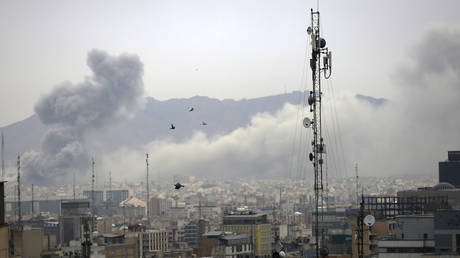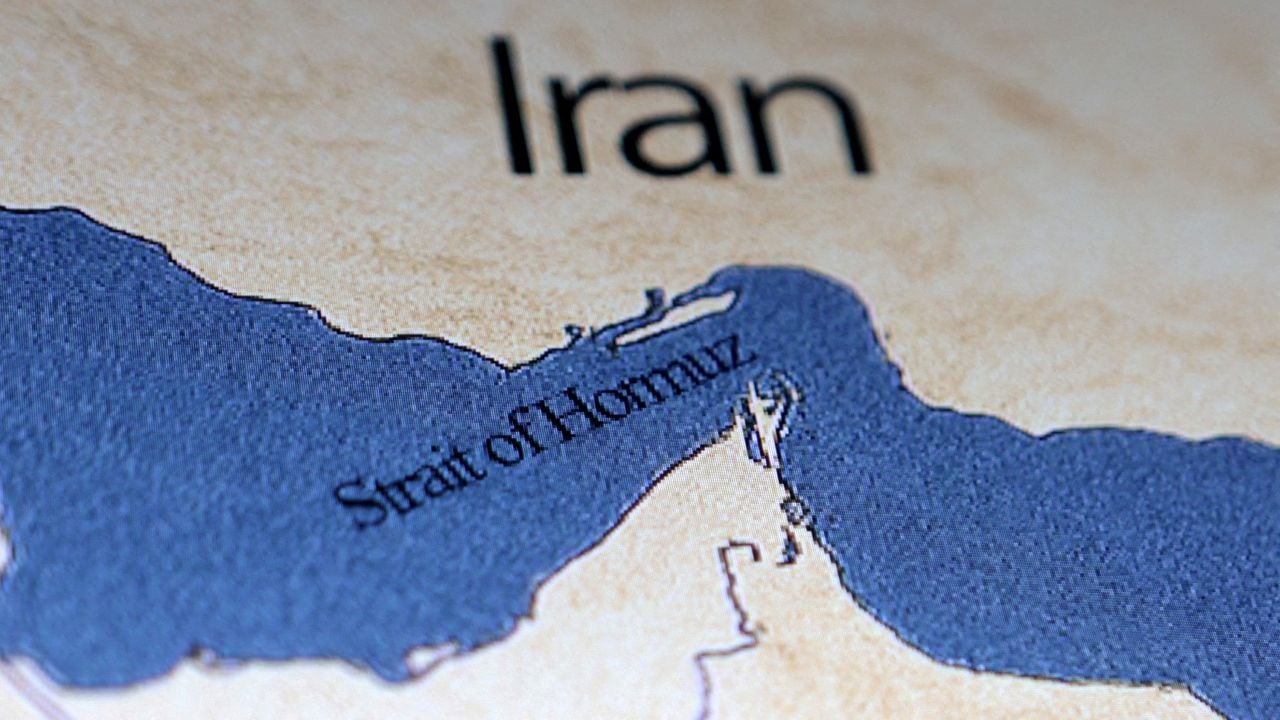
Donald Trump says he wants the shooting to stop. He’s signaled a real openness to ending the grinding conflict between Israel, the US, and Iran. But there's a massive, tanker-sized problem sitting right in the middle of the Persian Gulf. The Strait of Hormuz remains the ultimate choke point, and despite the optimistic rhetoric coming out of Mar-a-Lago, the math for a "grand bargain" isn't adding up just yet.
You’ve seen the headlines about "maximum pressure" returning. You’ve heard the talk about a new era of diplomacy. Honestly, both narratives are oversimplified. The reality is a messy, high-stakes game of chicken where one wrong move by a drone operator or a nervous destroyer captain could set the whole region on fire, regardless of what the politicians say they want.
The Hormuz Impasse is More Than Just a Shipping Problem
When we talk about the Strait of Hormuz, we aren't just talking about a stretch of water. We’re talking about the jugular vein of the global energy market. About 20% of the world's total petroleum liquids consumption passes through that narrow gap every single day. If Iran decides to follow through on its perennial threat to close the strait, the global economy doesn't just stumble. It collapses.
The current impasse stems from a fundamental disagreement on what "peace" looks like. For Trump, peace means a deal where Iran stops its nuclear enrichment and halts its regional proxy wars in exchange for sanctions relief. For Tehran, peace means the US getting out of their backyard and staying out. These two visions are currently irreconcilable.
Iran knows the Strait of Hormuz is its only real leverage. They can't outspend the US military, and they can't win a conventional war against Israel’s tech-heavy forces. But they can make oil hit $200 a barrel. That’s their "nuclear option" without actually needing a nuke. Trump knows this too. He’s a businessman at heart, and he knows that a massive spike in gas prices would tank the domestic economy he’s trying to supercharge.
Why Trump’s Strategy This Time is Different
Back in his first term, the goal was "Maximum Pressure." It was about strangling the Iranian economy until the regime folded. It didn't work. Instead, the IRGC (Islamic Revolutionary Guard Corps) got more aggressive, and the nuclear program accelerated.
This time around, the tone is shifting. Trump isn't just looking for a surrender; he’s looking for a deal he can put his name on. He’s signaled that he doesn't want regime change. He wants a partner—or at least a neutralized adversary.
I’ve watched this play out for years, and the mistake most analysts make is assuming Trump follows a traditional State Department playbook. He doesn't. He’s likely to bypass the formal channels and try for a direct line to Tehran, much like he did with North Korea. But Iran isn't North Korea. They have a complex internal power structure where the Supreme Leader, Ali Khamenei, has the final say, and he’s historically been allergic to direct talks with "The Great Satan."
Israel’s Red Lines and the Shadow War
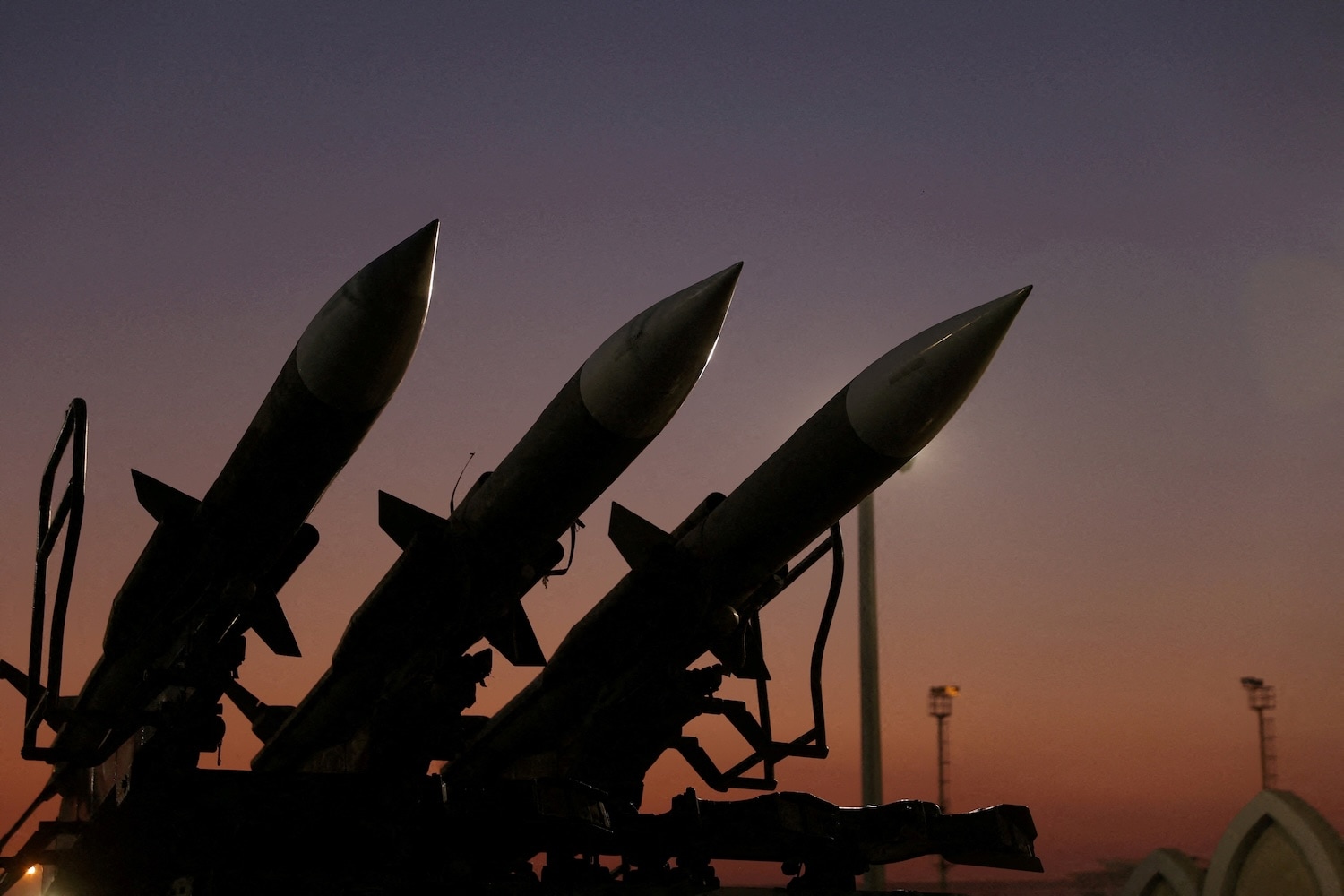
While the US talks about deals, Israel is busy fighting a multi-front war. From Gaza to Lebanon, and the direct missile exchanges with Iran itself, the "shadow war" has come into the light. Israel’s security establishment is skeptical of any deal that doesn't completely dismantle Iran’s "Ring of Fire"—the network of proxies like Hezbollah and the Houthis.
If the US moves toward a deal that leaves Hezbollah intact on Israel’s northern border, the tension between Washington and Jerusalem will reach a breaking point. Prime Minister Netanyahu has made it clear: Israel will act alone if it has to. This puts Trump in a tight spot. He wants to be Israel’s greatest ally, but he also wants to be the guy who ended the "forever wars." You can't always have both.
The Economic Reality of 2026
We have to look at the numbers. Global oil demand is shifting, but we're still years away from being able to ignore a Middle East supply disruption.
- Daily Flow: Roughly 20.5 million barrels per day.
- Alternative Routes: The East-West Pipeline in Saudi Arabia can handle some, but not nearly enough to offset a total Hormuz closure.
- Insurance Costs: Shipping insurance for tankers in the Gulf has already tripled in some sectors over the last six months.
When you look at these figures, you realize why the "Hormuz Impasse" is the primary obstacle to any peace deal. Iran is using the threat of economic chaos to demand that the US back off. The US is using the threat of military strikes to ensure the oil keeps flowing. It’s a stalemate that costs billions just to maintain.
What Most People Get Wrong About the Escalation
People tend to think of this as a binary choice: war or peace. It’s not. We’re currently in a state of "violent peace." It’s a constant exchange of cyberattacks, maritime harassment, and targeted strikes that stay just below the threshold of an all-out regional war.
The risk isn't necessarily a planned invasion. It’s a miscalculation. Imagine a Houthi missile actually hits a US carrier, or an Israeli strike on Iranian nuclear sites kills a high-ranking Russian advisor. That’s how the "impasse" turns into a conflagration. Trump’s openness to ending the war is a recognition that the status quo is unsustainable. But wanting to end a war isn't the same as having a viable path to do it.
Practical Realities of a New Deal
If you're looking for signs of a real breakthrough, watch the sanctions. If the US starts granting "wavers" for specific oil sales to China, it’s a sign that back-channel talks are progressing.
Don't expect a big signing ceremony anytime soon. Expect small, quiet concessions.
- Maritime Security Agreements: Small-scale deals to stop harassing tankers in exchange for frozen asset releases.
- Proxy De-escalation: A "quiet for quiet" arrangement in Lebanon that allows displaced civilians to return home.
- Nuclear Freeze: Not a total dismantling, but a verified halt to high-level enrichment.
The "Hormuz Impasse" will only be broken when Iran feels it has enough economic security to give up its primary weapon, and when the US feels it has enough regional stability to stop the "maximum pressure" cycle. We aren't there yet.
Keep an eye on the price of Brent Crude. It’s the most honest indicator of how close we are to a real conflict. If it stays stable despite the rhetoric, the markets believe a deal is possible. If it spikes, the "openness to ending war" is just talk.
The next few months are the most critical we’ve seen in a decade. Trump’s instinct to deal-make is hitting the hard wall of Iranian revolutionary ideology and Israeli existential fear. Something has to give.
If you’re tracking your own investments or just trying to understand the global impact, watch the shipping lanes, not just the press conferences. The real war—and the real peace—is being negotiated in the deep waters of the Gulf.