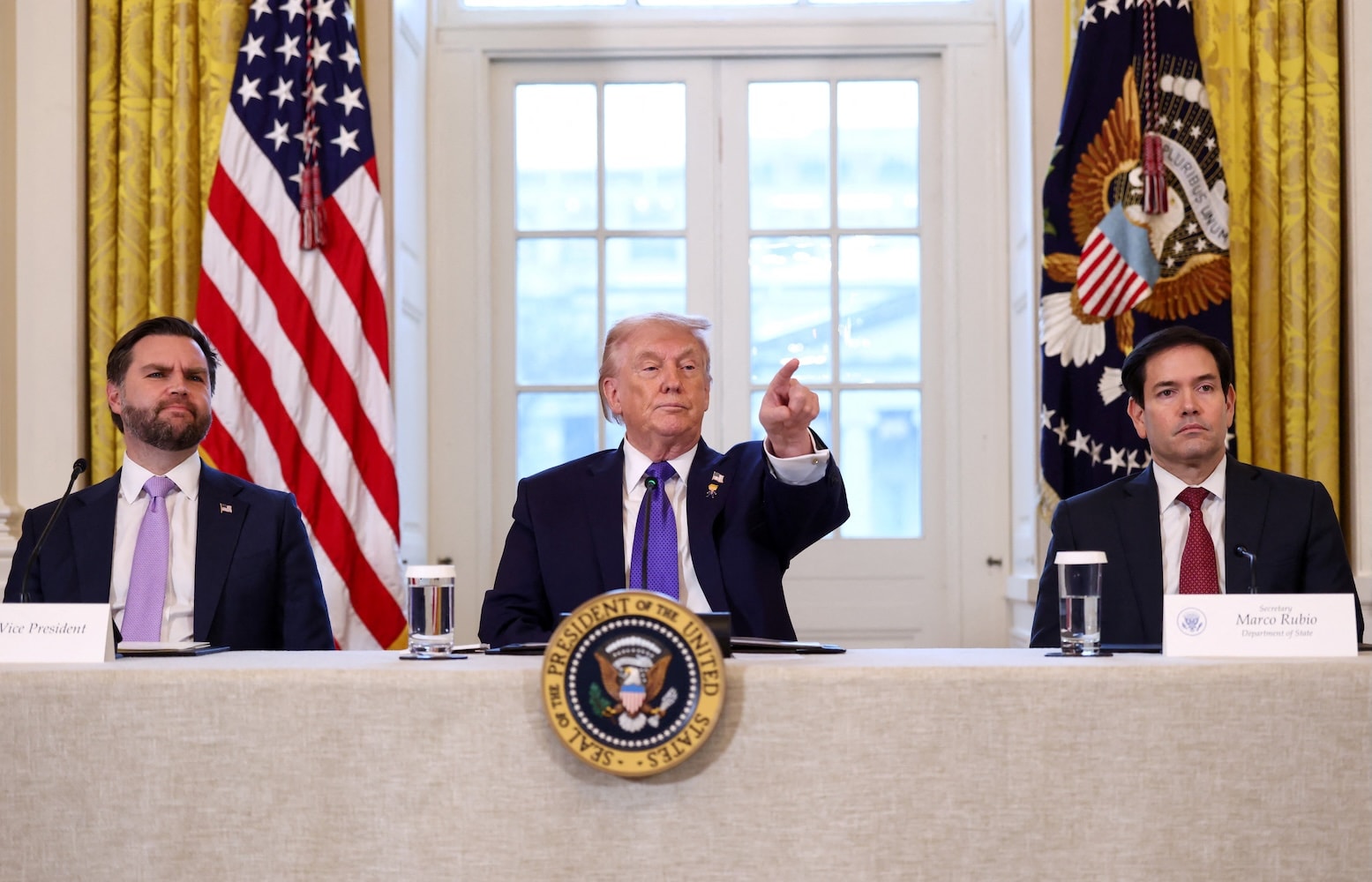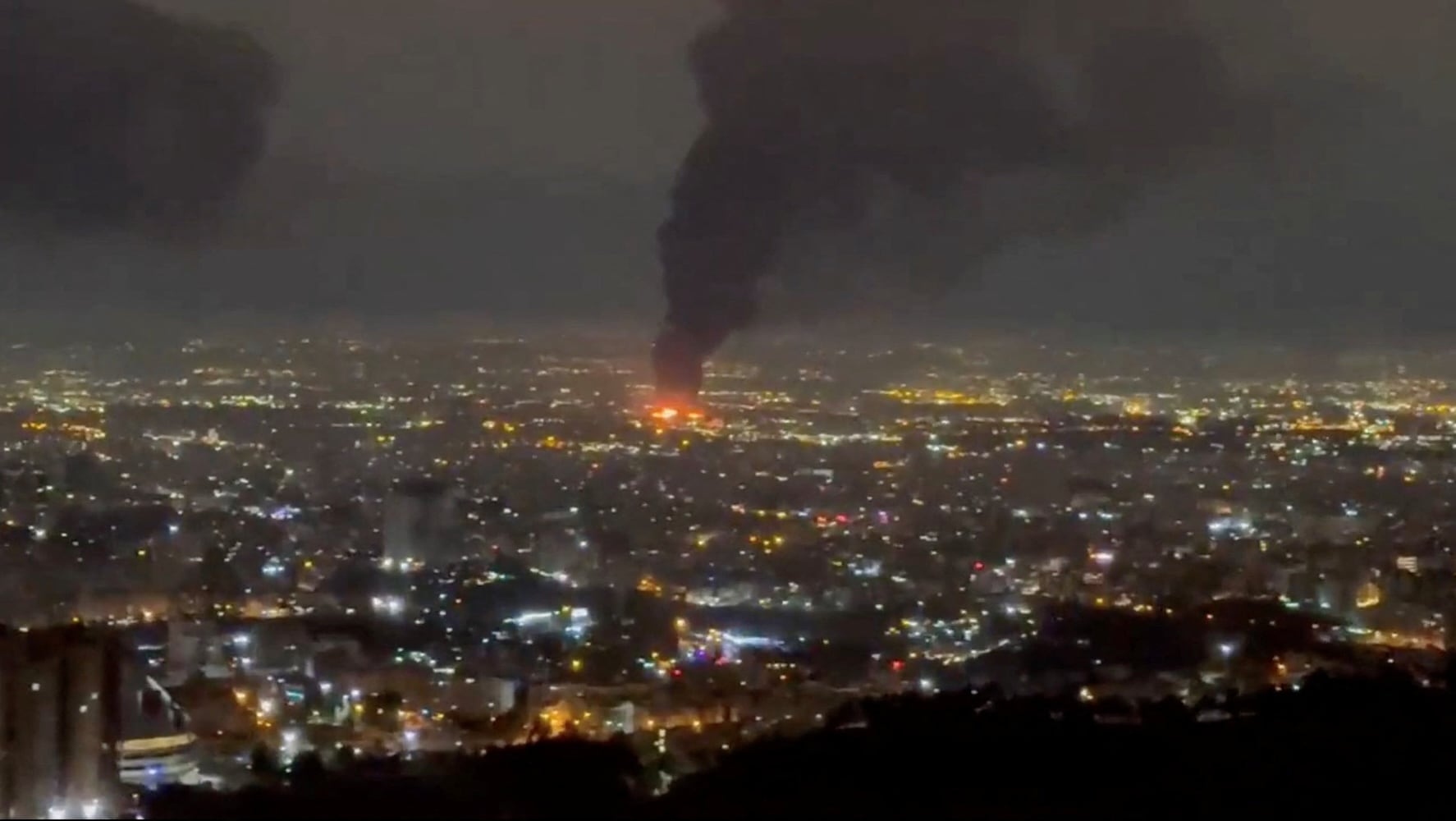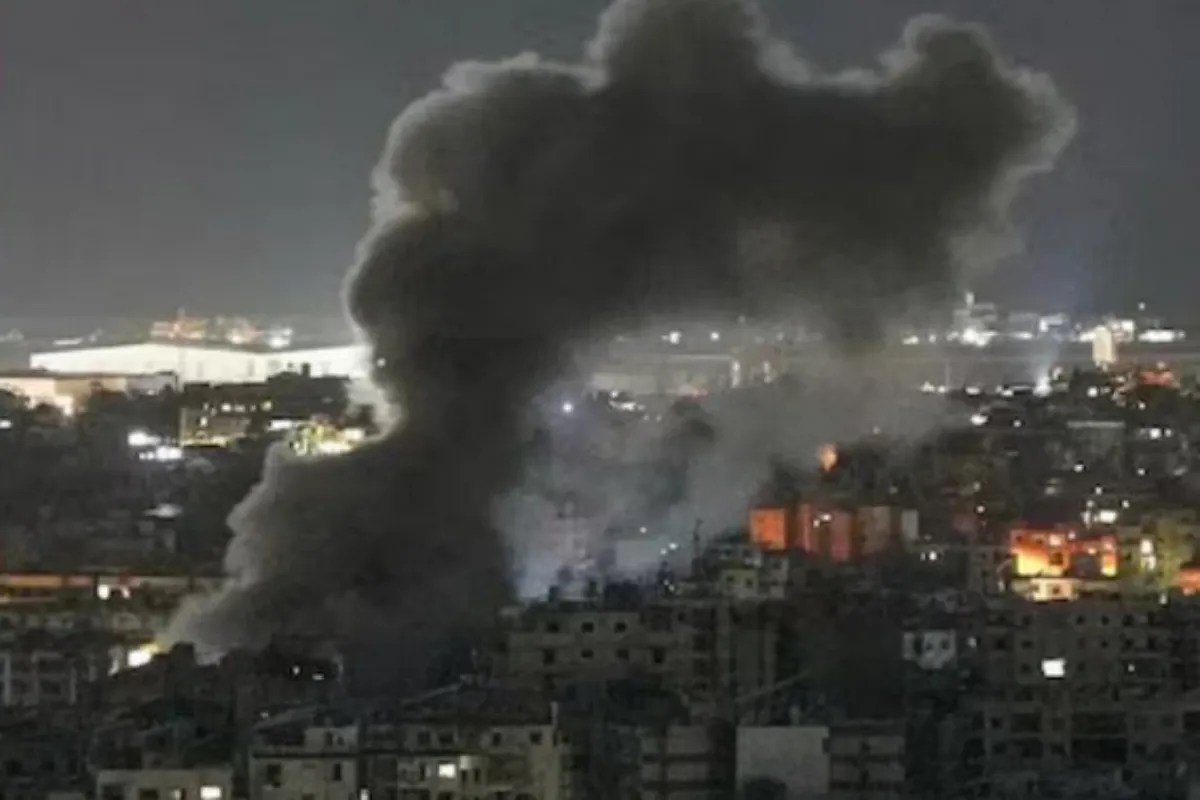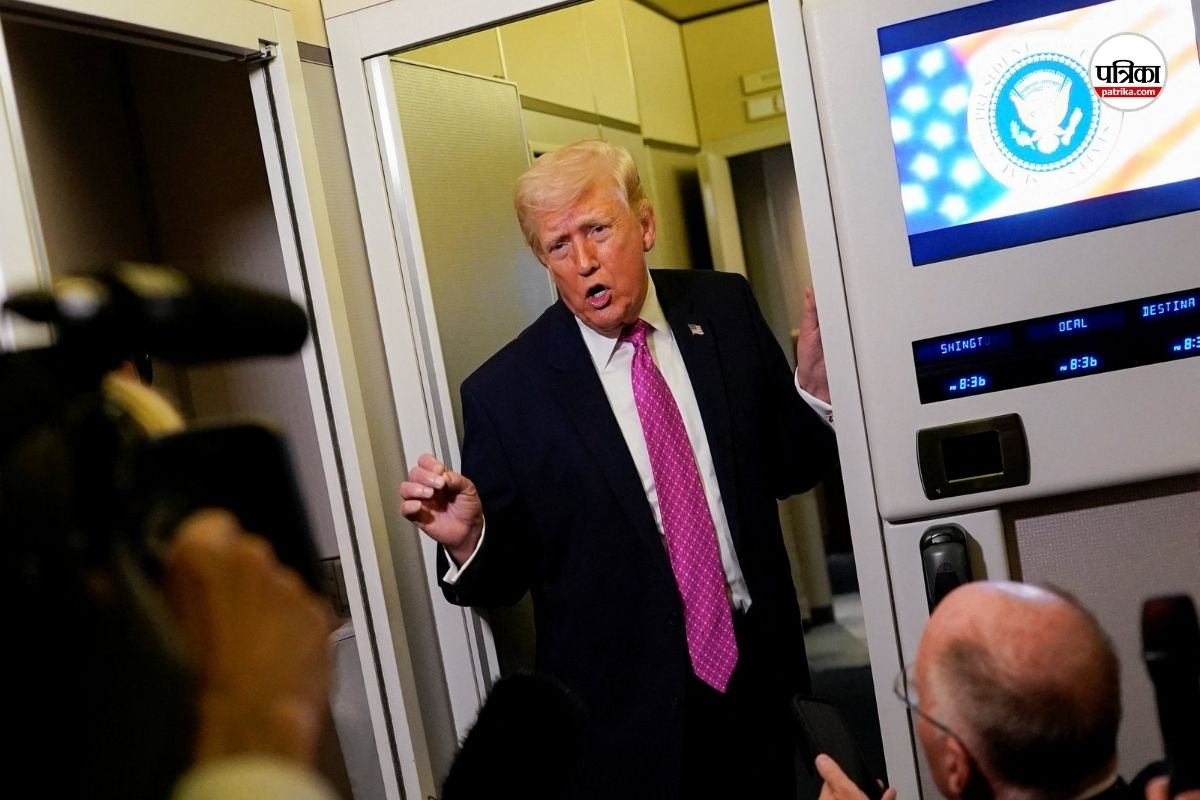
Donald Trump is back at the center of the geopolitical chessboard, and he's making a massive claim that could shift the entire power balance in the Middle East. He says Iran is ready to talk. Not just talk, but actually strike a deal to end the long-standing friction that’s pushed the region to the brink of a massive explosion. If you've been following the headlines, this feels like a total 180-degree turn from the "Maximum Pressure" era. But is it real, or is it just more campaign-season bluster?
The reality on the ground in Tehran is desperate. You can't ignore the math. Iran’s economy is suffocating under layers of sanctions that have devalued the rial to historic lows. When people can't buy bread or medicine, the government starts looking for an exit ramp. Trump knows this. He's betting that his brand of transactional diplomacy will force a regime that once called him the "Great Satan" to sit across from him at a mahogany table.
The Art of the Iranian Pivot
Tehran isn't acting out of the goodness of its heart. They're cornered. For years, the Iranian leadership relied on a "Look to the East" strategy, hoping China and Russia would provide a sufficient financial safety net. It didn't work out as planned. China buys their oil, sure, but at a massive discount that barely keeps the lights on. Russia is too busy with its own quagmire in Ukraine to offer much more than some drone tech swaps.
Trump's recent statements suggest he's already had "indirect" signals that the Iranian leadership is looking for a way out. This isn't just about nuclear centrifuges anymore. It’s about survival. The Iranian public is exhausted. From the "Woman, Life, Freedom" protests to the constant threat of Israeli airstrikes, the tension is at a breaking point. A deal with a "strongman" like Trump might be the only way for the Ayatollahs to save face while stopping the economic bleeding.
Why the Maximum Pressure 2.0 Fear is Driving This
During his first term, Trump pulled out of the JCPOA—the 2015 nuclear deal—and slapped on sanctions that crippled Iran's oil exports. Now, with the possibility of a second term or a shift in U.S. foreign policy, Tehran is terrified of a version 2.0. They know that if Trump returns, the leash gets even shorter. By signaling a willingness to negotiate now, they're trying to set the terms before they lose all their leverage.
It’s a classic poker move. Iran wants to appear ready to compromise to avoid a total collapse. Meanwhile, Trump wants to claim the title of the "Peacemaker" who did what the current administration couldn't. It's a match made in political necessity, even if both sides genuinely despise each other.
The Role of Regional Players
You have to look at Saudi Arabia and Israel in this mix. They aren't just bystanders.
- The Saudis: They’ve already started their own quiet detente with Iran via Chinese mediation. They want stability to build their "Vision 2030" skyscrapers.
- Israel: This is the wildcard. Netanyahu has made it clear that a nuclear Iran is a red line. Any deal Trump makes would have to satisfy Israeli security concerns, or it's dead on arrival.
What a New Deal Would Actually Look Like
Forget the old 2015 agreement. That's ancient history. A "Trump-style" deal would likely be much broader and much harsher. We're talking about more than just uranium enrichment levels.
- Ballistic Missiles: Any new agreement will have to cap Iran's missile program. This was the biggest complaint from critics of the first deal.
- Regional Proxies: No more "blank checks" for Hezbollah or the Houthis. Trump will want guarantees that Iranian money stays in Iran, not flowing to militias in Lebanon or Yemen.
- Sunset Clauses: The old deal had expiration dates. A new version would likely demand "forever" restrictions, something Tehran has historically rejected.
But here’s the kicker. Trump is a businessman. He doesn't care about the ideology as much as he cares about the "win." If he can get Iran to stop its most provocative actions in exchange for opening up their economy to global trade, he'll take it. He's done it with North Korea, or at least tried. He's willing to walk into the room with anyone if the optics are right.
The High Stakes of Miscalculation
If this is all just talk, the fallback is ugly. We're looking at a potential regional war that could drag in the U.S. directly. Iran has already shown it can disrupt global shipping in the Red Sea through its proxies. If they feel like there's no path to a deal, they might decide that going "breakout" for a nuclear weapon is their only remaining defense.
That’s why these claims of a deal are so significant. They offer a glimmer of a different path. Honestly, the world is tired of the "forever threats" in the Middle East. If a deal actually happens, it changes everything from oil prices to the security of European borders.
Why Critics are Skeptical
Many career diplomats think Trump is being played. They argue that Iran is just stalling for time, waiting out the U.S. election cycles. They've seen this movie before. Iran promises to talk, gets a little breathing room, and then continues its program in secret. But Trump’s supporters argue that the old way of doing diplomacy—the "polite" way—failed for forty years. They want the wrecking ball approach.
Moving Toward a Resolution
The next few months are critical. Watch the backchannel communications coming out of Oman or Qatar. That’s where the real work happens. If we start seeing a reduction in Houthi attacks or a slowdown in enrichment, then Trump's claim might actually have legs.
If you're watching this as an investor or just someone worried about the state of the world, pay attention to the rhetoric coming out of the Iranian Foreign Ministry. They usually use very specific, coded language when they're ready to pivot. Look for phrases like "mutual respect" or "heroic flexibility." That’s the signal that the ink is ready to flow.
The biggest mistake anyone can make right now is assuming the status quo will hold. The Middle East is shifting. Iran is hurting. And whether you like his methods or not, Trump is tapping into a reality that Tehran can no longer ignore. They need a deal more than he does, and that's the strongest position a negotiator can be in.
Keep an eye on the oil markets. If a deal looks likely, expect a sharp drop in prices as Iranian crude prepares to flood back into the legitimate global market. This isn't just politics. It's the economy, stupid. And in 2026, the economy is the only thing that's going to decide who wins and who loses on the global stage.
Start tracking the "Goldman-Sachs" or "JP Morgan" reports on Middle East risk premiums. They're usually the first to price in these diplomatic shifts before the general public even knows a meeting has been scheduled. Stay ahead of the curve by watching the money, not just the microphones.