Stop looking at your student loan balance. It is a fake number.
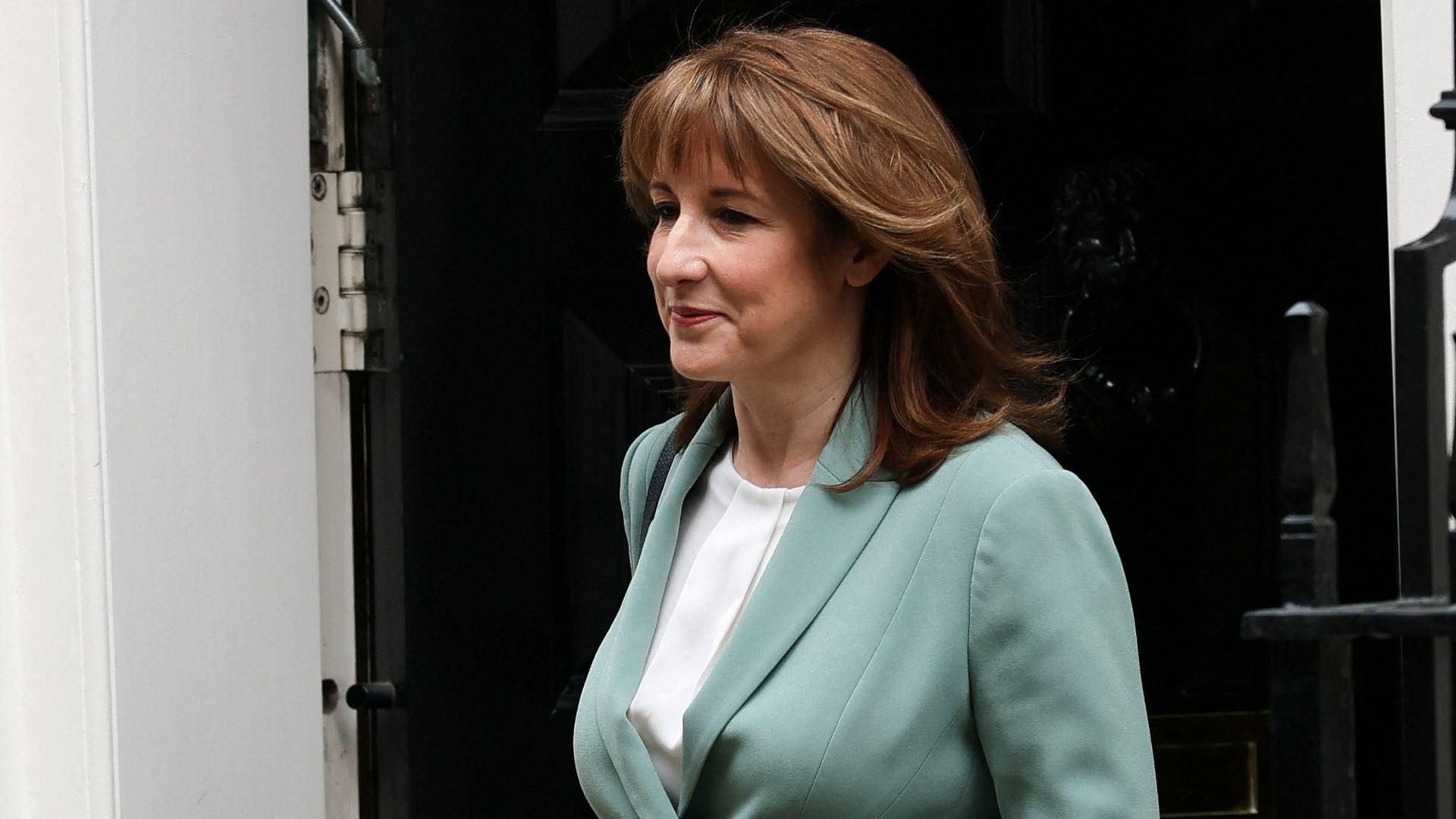
The financial press is currently obsessed with Rachel Reeves and the supposedly "draconian" shifts in the UK student finance system. They want you to believe that a generation is being buried under a mountain of debt that will never be climbed. They point to interest rates, the lowering of the repayment threshold, and the extension of the term to 40 years as if they were sentencing graduates to a Victorian debtor's prison.
They are wrong. They are fundamentally misunderstanding the mathematics of the British state.
I have spent fifteen years dissecting balance sheets and advising on high-level fiscal policy. I have seen how people react when they don't understand the difference between a "debt" and a "tax." The biggest mistake you can make right now is treating your student loan like a credit card or a mortgage. If you try to pay it off early because you’re scared of the headlines, you are effectively throwing your future wealth into a furnace.
The Mathematical Illiteracy of the "Debt" Narrative
A "loan" implies a legal obligation to repay a fixed sum plus interest, regardless of your personal circumstances. If you don't pay your mortgage, the bank takes your house. If you don't pay your student loan, nothing happens—provided you aren't earning.
The UK student finance system is not a loan system. It is a graduate tax with an expiry date.
When Rachel Reeves and the Treasury adjust the levers of Plan 5—the system currently affecting new students—they aren't making it "harder to pay off." They are simply adjusting the rate of a lifetime subscription.
Under the new rules, you pay 9% of everything you earn over £25,000. Under the previous Plan 2, the threshold was higher, and the write-off period was shorter (30 years instead of 40). The "outrage" stems from the fact that more people will now pay back more of their total "debt" before the clock runs out.
But here is the truth the "debt-free" gurus won't tell you: for the vast majority of graduates, paying back the full amount is actually a sign of poor financial planning.
Why High Interest Rates are a Distraction
The current RPI-linked interest rates look terrifying on paper. Seeing a balance grow by thousands of pounds a year while you are barely chipping away at the principal feels like a defeat.
It isn't.
If you are a middle-earner, you will likely never clear the balance. Whether you "owe" £50,000 or £5,000,000 is irrelevant because your monthly payment is exactly the same. It is 9% of your income over the threshold. That’s it.
Imagine a scenario where the government suddenly announced that everyone’s student loan balance had tripled overnight. For 75% of graduates, their daily life would not change by a single penny. Their monthly take-home pay remains identical. Their ability to buy groceries remains identical.
The only people who should care about the interest rate or the total balance are the "high-fliers"—the doctors, magic circle lawyers, and high-finance bankers who earn enough to actually kill the debt before the 40-year mark. If you aren't in the top 10% of earners, the interest rate is a ghost. It doesn't exist in any way that affects your bank account.
The Deadly Trap of Voluntary Repayments
The most dangerous advice circulating right now is that graduates should use spare cash or inheritances to "clear the debt" and avoid the interest.
This is financial suicide for the average worker.
Think about the opportunity cost. If you take £20,000 and dump it into the Student Loans Company, that money is gone. You cannot get it back. If you lose your job tomorrow, the SLC doesn't care; they won't give you a refund to help pay your rent.
However, if you put that same £20,000 into a high-yield savings account, an ISA, or a pension, that money remains an asset. It earns interest for you. Most importantly, if your income drops below £25,000, your student loan payments stop automatically. It is the only "debt" in the world that functions as a safety net.
By "paying it off," you are trading a liquid asset (cash in hand) for an invisible reduction in a "debt" that might have been written off anyway. You are subsidizing the Treasury at the expense of your own retirement.
The Mortgage Myth
"But it affects my mortgage applications!"
This is the standard cry of the uninformed. Let's be precise: lenders do not look at your total student loan balance. They don't care if you owe £100,000. They look at your affordability.
Because the loan is deducted at source, it reduces your net monthly income. It is treated exactly like a tax or a pension contribution. If you paid off the loan, your net income would rise, and you might be able to borrow a bit more. But you’d have spent your entire deposit to get that "extra" borrowing power.
It is a zero-sum game where you lose your liquidity and gain nothing but a slightly higher monthly ceiling that you can't afford to reach because you spent your savings.
The Reeves Pivot: Who Actually Loses?
Rachel Reeves isn't "making it harder to pay off." She is making it harder to avoid paying.
By extending the term to 40 years, the government is ensuring that graduates contribute during their peak earning years in their 50s and early 60s. Previously, the 30-year cutoff meant many people "escaped" just as they started making the big bucks.
This is a cold, calculated move to turn a loss-making system into a self-sustaining one. It is a fiscal rebalancing, not a personal attack on your wallet.
The real "losers" in the new system aren't the poorest students (who still pay nothing if they earn little) or the richest (who pay it off quickly and ignore the interest). The losers are the "squeezed middle"—those earning between £35,000 and £60,000 for their entire careers. They will pay the 9% "tax" for almost their entire working lives.
But even for them, the strategy remains the same: Do. Not. Pay. Extra.
Stop Playing a Game You Don't Understand
The psychological weight of "debt" is being used against you. We are conditioned from birth to believe that owing money is a moral failing and a financial burden.
In the case of UK student finance, that conditioning is a liability.
If you want to "beat" the system, you don't do it by paying the SLC. You do it by maximizing your own wealth. You do it by understanding that a 9% deduction is simply the cost of entry into the professional class. It is a business expense.
Stop checking the portal. Stop looking at the interest accumulating. It is a paper tiger.
The only number that matters is your take-home pay. Every penny you send to the government voluntarily is a penny you have stolen from your future self.
Treat it like a tax. Forget the balance. Move on with your life.