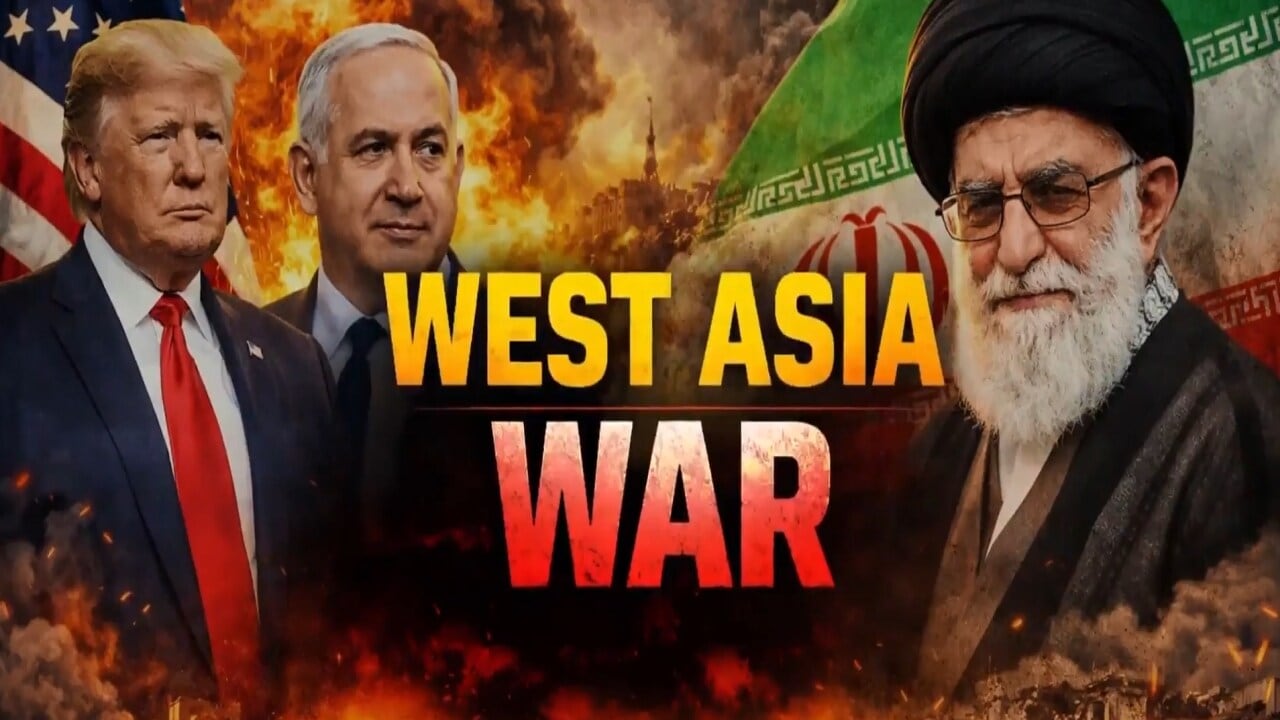
The shift in American foreign policy toward the Islamic Republic of Iran represents a fundamental transition from tactical de-escalation to strategic structural displacement. While conventional commentary often interprets individual military strikes or sanctions as reactive measures aimed at returning to a status quo, a rigorous analysis of the current administration’s posture reveals a commitment to "regime change" not as a mere rhetorical goal, but as a deliberate operational endpoint. This objective is pursued through a multi-vector pressure campaign designed to render the existing Iranian governance model functionally and economically non-viable.
The Tripartite Framework of Institutional Attrition
To understand the trajectory of this conflict, one must move beyond the binary of "war vs. peace" and instead examine the three pillars of institutional attrition currently being deployed against Tehran.
- Macroeconomic Asphyxiation: This involves the systematic removal of Iran from the global financial architecture. Unlike previous "smart sanctions" designed to target specific individuals, the current objective is the total compression of the Iranian Rial’s purchasing power and the elimination of oil export liquidity. The goal is to induce a state of internal fiscal collapse where the cost of maintaining internal security apparatuses exceeds the state's available capital.
- Proxy Neutralization: Iran’s regional influence operates via a "Forward Defense" doctrine, utilizing non-state actors in Lebanon, Yemen, and Iraq. US strategy has pivoted from containing these proxies to decapitating their command-and-control structures. By increasing the lethality and frequency of strikes against IRGC-QF (Islamic Revolutionary Guard Corps - Qods Force) leadership, the US creates a competency vacuum that local militias cannot easily fill.
- Domestic Legitimacy Erosion: By heightening the economic stakes for the Iranian middle class, the strategy aims to widen the "asymmetry of interest" between the ruling clerical elite and the general population. The intent is to catalyze a domestic inflection point where the Iranian government is forced to choose between regional projection and internal survival.
The Cost Function of Kinetic Engagement
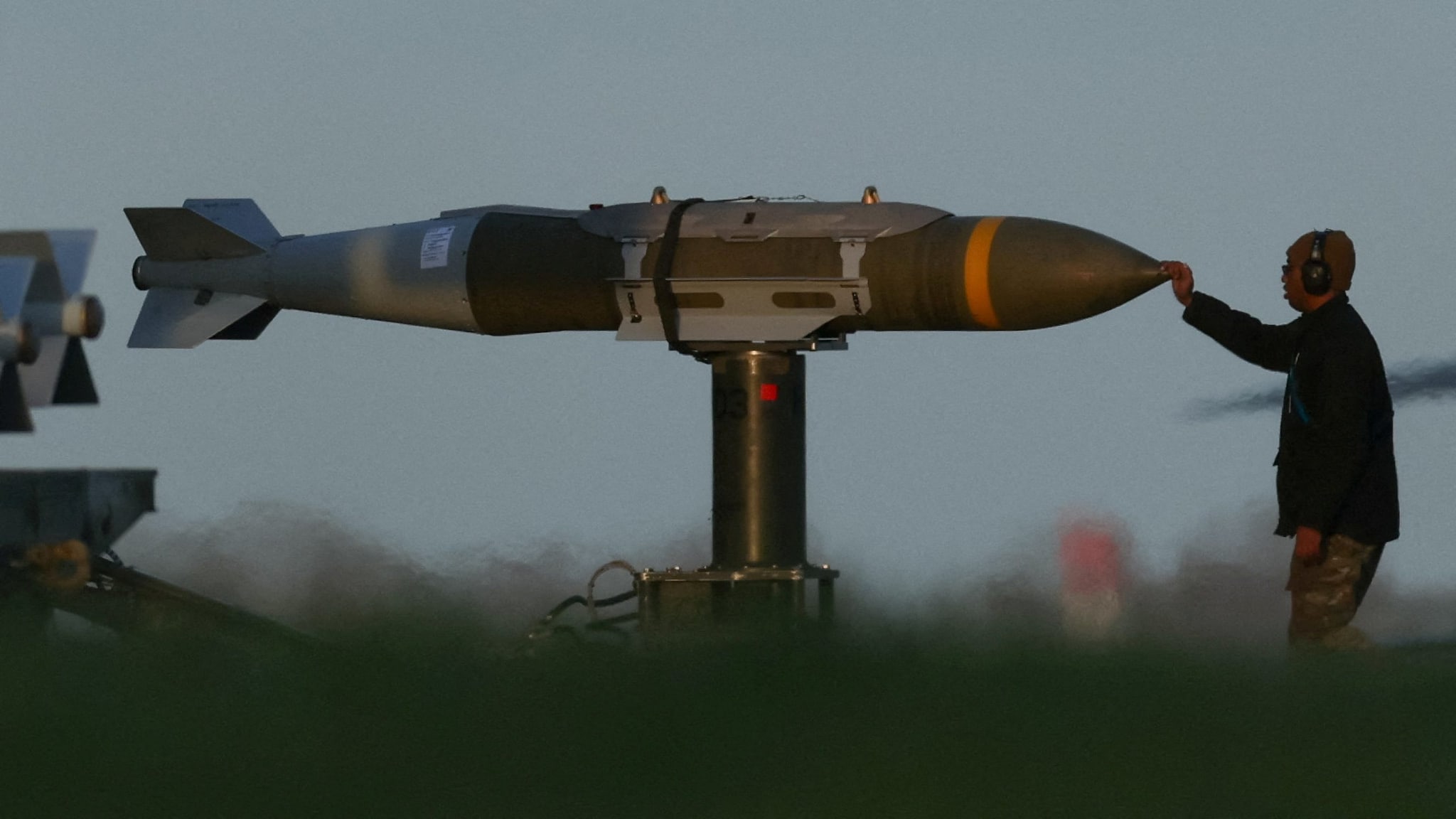
A common analytical error is the assumption that the US seeks a "quick de-escalation." In a game-theoretic sense, de-escalation only benefits the party with the weaker long-term hand. For the United States, a prolonged, high-pressure environment serves a specific utility: it forces Iran to burn through its limited foreign exchange reserves while the US maintains a relatively low-cost posture through localized drone strikes and cyber operations.
The "Cost Function" for Iran in this conflict is non-linear. As sanctions persist, the marginal cost of every barrel of oil smuggled increases due to middleman fees and "risk premiums" demanded by shadow tankers. Simultaneously, the US cost function is largely dampened by the dollar’s status as a reserve currency and the geographic distance from the primary theater of conflict. This disparity suggests that the US is not looking for an "exit ramp," but rather a "terminal point" for the current regime's ability to govern.
Strategic Decoupling and the Failure of Incrementalism
Historical attempts at incremental diplomacy—most notably the JCPOA (Joint Comprehensive Plan of Action)—relied on the premise that economic integration would incentivize behavioral modification. The current strategy rejects this premise, operating instead on the principle of Strategic Decoupling. This logic dictates that if the Iranian regime’s core ideology is inherently expansionist and anti-Western, then any economic relief provided simply subsidizes that expansionism.
Consequently, the focus has shifted to identifying "Structural Bottlenecks" within the Iranian state:
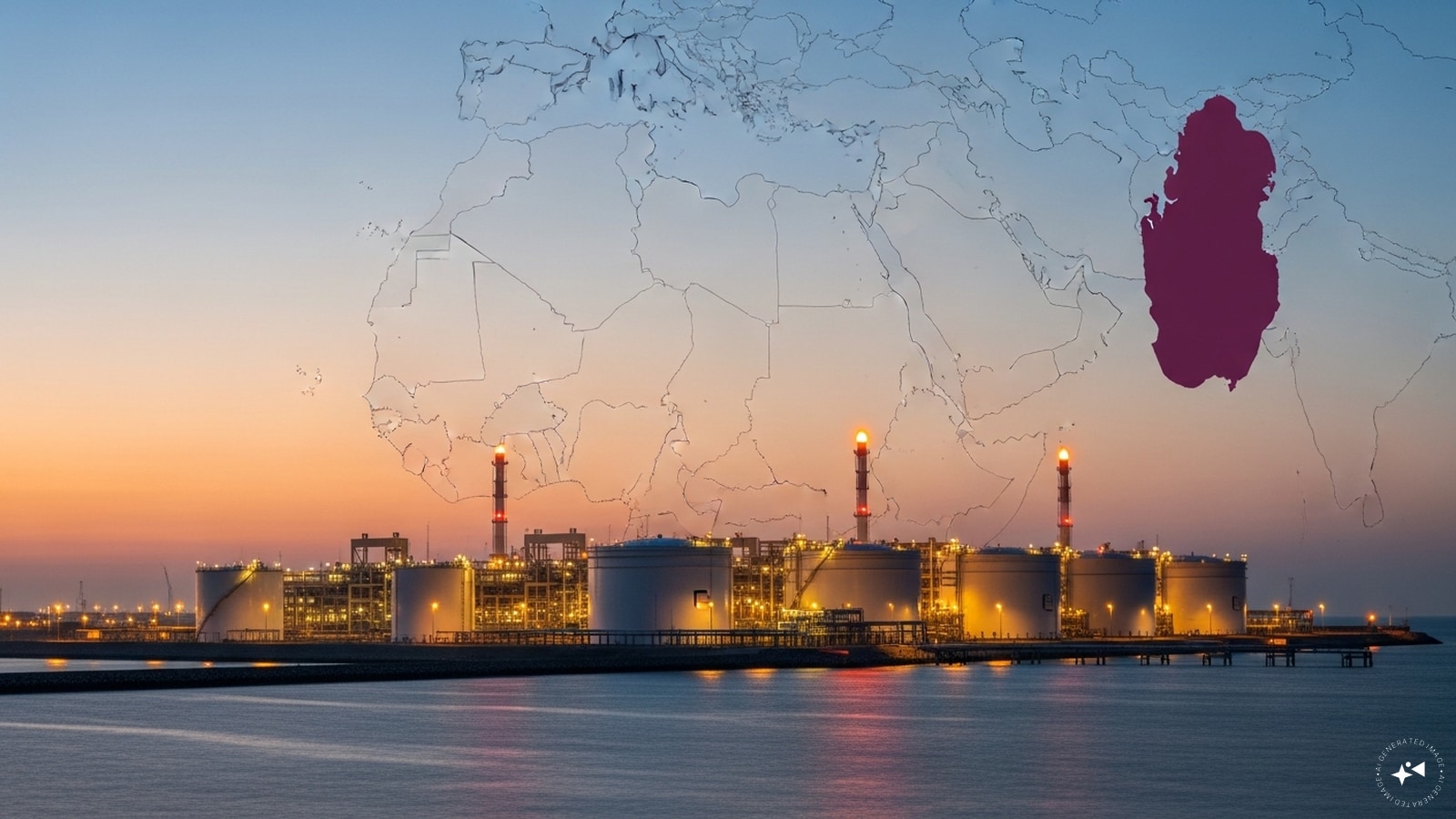
- The Energy Single-Point-of-Failure: Despite efforts to diversify, the Iranian budget remains tethered to hydrocarbon exports. Disrupting the logistical chains (shipping insurance, port access, and refinery technology) creates a systemic failure that cannot be mitigated by domestic production alone.
- The Command Succession Crisis: The Iranian political structure is highly centralized. Frequent "high-value target" removals do more than eliminate individuals; they degrade the institutional memory required to manage complex regional networks.
- The Information Barrier: While the Iranian state maintains a robust internal security force, the rising cost of digital censorship and the infiltration of intelligence services have created a "transparency tax." The regime must spend more resources to hide its vulnerabilities, further depleting its treasury.
The Logic of Intentional Escalation
Critics often argue that the US is "sleepwalking" into a war. A data-driven view suggests the opposite: the escalation is calibrated. By maintaining a high-threat environment, the US forces Iran into a defensive crouch. When a state is focused on preventing an invasion or surviving a blockade, its ability to export revolution or develop long-range ballistic capabilities is hampered by resource reallocation.
This is the "Regime Change by Attrition" model. It does not necessarily require a ground invasion of the Iranian plateau—an undertaking that would be prohibitively expensive and strategically questionable. Instead, it seeks to create a "Failed State" or a "Pariah State" scenario where the regime is so preoccupied with its own survival that it ceases to be a meaningful regional power.
Operational Constraints and the Shadow of Multi-Polarity
The primary risk to this strategy is not Iranian military retaliation, which remains largely asymmetrical and localized, but rather the role of external "Sanction Spoilers." Russia and China represent the two primary variables that could provide a lifeline to the Iranian economy.
- The Sino-Iranian Oil Loop: China’s willingness to purchase discounted Iranian crude via "teapot" refineries creates a floor for Iranian revenue. If this loop is not closed, the macroeconomic asphyxiation pillar remains incomplete.
- The Russian Defense Nexus: The exchange of Iranian drone technology for Russian aerospace hardware (such as Su-35 fighters) creates a technological leap that could raise the cost of US kinetic intervention.
The US response has been to integrate Iranian policy into its broader "Great Power Competition" framework. Iran is no longer viewed as an isolated regional problem but as a node in a revisionist bloc. This means that US actions in the Persian Gulf are increasingly influenced by its objectives in the South China Sea and Eastern Europe.
The Inevitability of the Friction Point
There is no evidence to suggest that the US intends to return to the negotiating table on terms favorable to the current Iranian leadership. The strategy is built on the belief that the Iranian system is too rigid to reform and must therefore be broken. This creates a dangerous but logical trajectory: as the economic pressure reaches its maximum, the Iranian regime will likely engage in a "Desperation Breakout"—a high-risk military provocation intended to force the international community to demand a ceasefire and sanctions relief.
The US strategy anticipates this. The buildup of naval assets and the strengthening of the Abraham Accords (the normalization of ties between Israel and Arab states) are designed to create a regional "containment wall" that can absorb an Iranian breakout attempt without requiring a massive US surge.
The terminal phase of this strategy involves the transition from external pressure to internal fragmentation. As the central government's ability to pay its security forces and provide basic subsidies wanes, the likelihood of provincial unrest and elite-level fracturing increases. The US objective is to be positioned to manage the resulting chaos rather than to prevent it.
The strategic play is to maintain the current trajectory of "maximum pressure" while aggressively countering any attempt by Iran to find an economic or military vent. The goal is to reach a state where the Iranian leadership is presented with a choice: total collapse or a wholesale abandonment of their regional and nuclear ambitions. Given the ideological constraints of the current regime, the former is the more statistically probable outcome. The US is betting that a collapsed Iranian state, while chaotic, is a lower long-term threat than a functional, well-funded, and nuclear-capable Islamic Republic.
Would you like me to map the specific financial networks used for Iranian oil laundering to identify the most effective secondary sanction targets?