The British military has a massive digital leak problem that isn't coming from hackers or foreign spies. It's coming from soldiers trying to beat their 5K personal best. When service members use fitness tracking apps like Strava, they aren't just logging miles. They're unintentionally drawing detailed maps of some of the most sensitive locations on the planet. This isn't a new problem, but the sheer scale of the recent data exposure within the UK military is enough to make any security officer lose sleep.
You might think a high-security base would be invisible to the public. In the physical world, that's true. High fences, armed guards, and "No Photography" signs do their job. But in the digital world, those same bases are glowing like neon signs. When a soldier hits "start" on their smartwatch to track a run around the perimeter of a base, they're broadcasting their exact coordinates. Over time, hundreds of these individual heatmaps overlay to create a perfect blueprint of the facility.
The Heatmap That Shouldn't Exist
The core of the issue lies in public heatmaps. Strava, one of the most popular fitness apps globally, aggregates user data to show popular running and cycling routes. It's a great feature for a civilian in London looking for a new park to jog in. It's a catastrophe for a Special Forces operator at a clandestine site.
Recent investigations have shown that these heatmaps clearly outline the internal layouts of UK military bases, including those used by the SAS and other elite units. You don't need a satellite to see where the barracks are, where the patrols walk, or where the most sensitive buildings sit. You just need a free app and a bit of patience. The app basically does the reconnaissance for the enemy.
It's not just about the buildings. The data reveals patterns of life. If the heatmap shows a spike in activity at 5:00 AM every Monday, that tells an adversary exactly when troops are most active or when shift changes might be happening. This is actionable intelligence handed over on a silver platter.
Why GPS Tracking Is a Direct Threat to Personnel
Security isn't just about protecting buildings. It's about protecting people. The "Global Heatmap" doesn't just show where people run; it can often be used to identify specific individuals. If a user hasn't locked down their privacy settings, a motivated actor can cross-reference "anonymous" activity with other social media data.
Imagine a soldier regularly runs a specific route inside a sensitive base in Cyprus. Then, that same account starts logging runs in a quiet suburb in England. Now, an adversary knows exactly where that soldier lives when they're off duty. This creates a massive kidnapping or blackmail risk. We're talking about the safety of families, not just the soldiers themselves.
The UK Ministry of Defence (MoD) has issued warnings about this before. Yet, the data continues to leak. It’s a classic case of convenience winning over security. People love their stats. They want to see their progress, compete with friends, and share their achievements. That human desire for validation is a gaping hole in the military's digital armor.
The Technical Blind Spot in Military Policy
Military leadership often struggles to keep pace with consumer technology. By the time a policy is written and distributed, the tech has already changed. Most bases have "black zones" where phones are banned, but smartwatches are often viewed as harmless jewelry. They aren't.
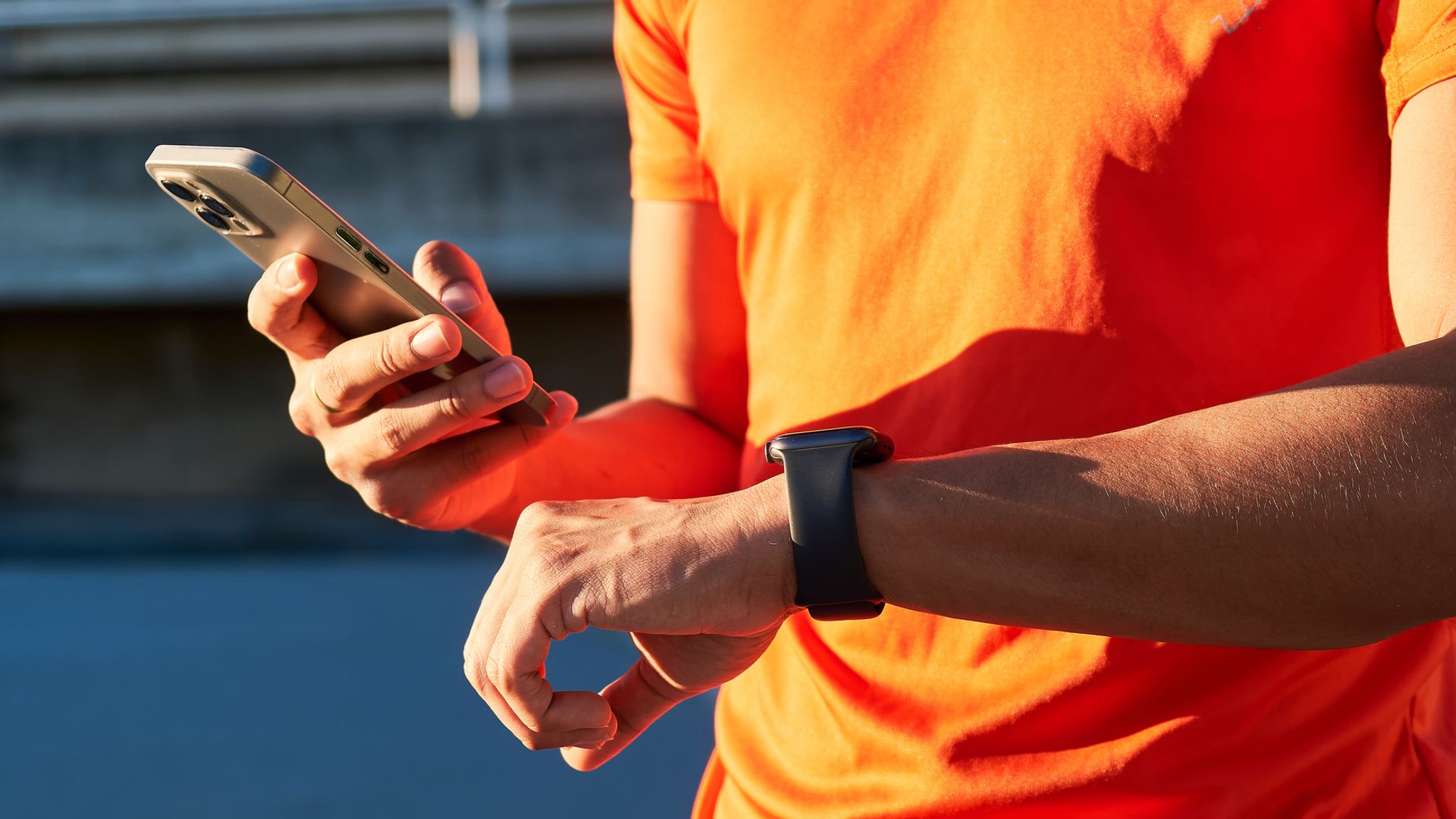
Many modern fitness trackers have standalone GPS. Even if a soldier leaves their phone in a locker, the watch is still recording. The moment that watch connects to a phone or Wi-Fi later in the day, it uploads all that sensitive data to the cloud. The "digital exhaust" follows the soldier everywhere.
We also have to talk about "Segment" features. On Strava, users can create specific stretches of road or trail to compete for the fastest time. In several instances, "segments" have been created entirely within the confines of restricted military zones. This means soldiers are actively competing against each other for the fastest lap around a top-secret hangar. It sounds like a joke, but the security implications are deadly serious.
How Global Powers Use Your Fitness Data
Don't assume only bored internet sleuths are looking at this. Intelligence agencies in Russia, China, and Iran have sophisticated units dedicated to open-source intelligence (OSINT). They don't need to fly a spy plane over a UK base if the troops are already mapping it for them.
By analyzing these exercise patterns, foreign intelligence can determine:
- The approximate troop strength at a specific location.
- The frequency of rotations between different bases.
- The locations of supply routes and internal checkpoints.
- The personal habits of high-value targets.
This is a goldmine for anyone planning a kinetic strike or a cyberattack. If you know where the soldiers congregate for their morning PT, you know exactly where to aim.
The Failed Promise of "Opting Out"
Strava and other apps have introduced "Privacy Zones" and the ability to opt-out of heatmaps. The problem is that these settings are often "opt-in" for privacy rather than "private by default." Most users never touch their settings. Even when they do, the anonymization isn't foolproof.
Researchers have shown that "anonymized" data sets can often be de-anonymized by comparing them with other public records. If a runner starts their workout at a specific house and ends it at the same house, it doesn't take a genius to figure out who they are. For the military, "good enough" privacy is actually no privacy at all.
Concrete Steps to Lock Down Digital Footprints
The solution isn't just banning apps. That's a losing battle in the 21st century. Instead, the military needs a fundamental shift in how it treats wearable tech. If you're in a sensitive role or stationed at a restricted base, you have to treat your fitness tracker like a weapon system.
- Kill the GPS on Base. If you must track a workout inside a wire, use a mode that doesn't use GPS, like a treadmill setting. It's less accurate for your distance, but it won't broadcast your location.
- Audit Your Profile Today. Set your entire profile to "Followers Only." Better yet, use a pseudonym. There's no reason your real name needs to be attached to your morning cardio.
- Use Privacy Zones. Every fitness app allows you to hide the start and end points of your workouts. Set these up around your home and your base. It creates a "dead zone" in the data so people can't see exactly where you live or work.
- Hardware Matters. Some units are moving toward "dumb" fitness trackers that don't have GPS or cloud syncing capabilities. It's a throwback, but it's the only way to be 100% sure.
- Stop Competing in Segments. If you see a segment that exists inside a military installation, report it. Don't join the leaderboard. Your name on that list is a data point for an enemy analyst.
The UK military's "beggars belief" moment is a wake-up call. Digital security isn't just about passwords and firewalls anymore. It’s about the watch on your wrist and the app in your pocket. If the MoD doesn't get a handle on this, the next leak won't just be a map—it’ll be a casualty list. Check your settings before your next run. It's not just your heart rate on the line.