The Strait of Hormuz is a 21-mile-wide choke point that holds the global economy by the throat. It’s a place where one wrong move by a patrol boat could send oil prices to $200 a barrel overnight. You’ve probably heard it described as a "trigger" or a "bottleneck," but the reality is much weirder. It exists in a permanent state of being both open and closed, a geopolitical Schrodinger’s cat where the mere threat of a shutdown is just as powerful as an actual blockade.
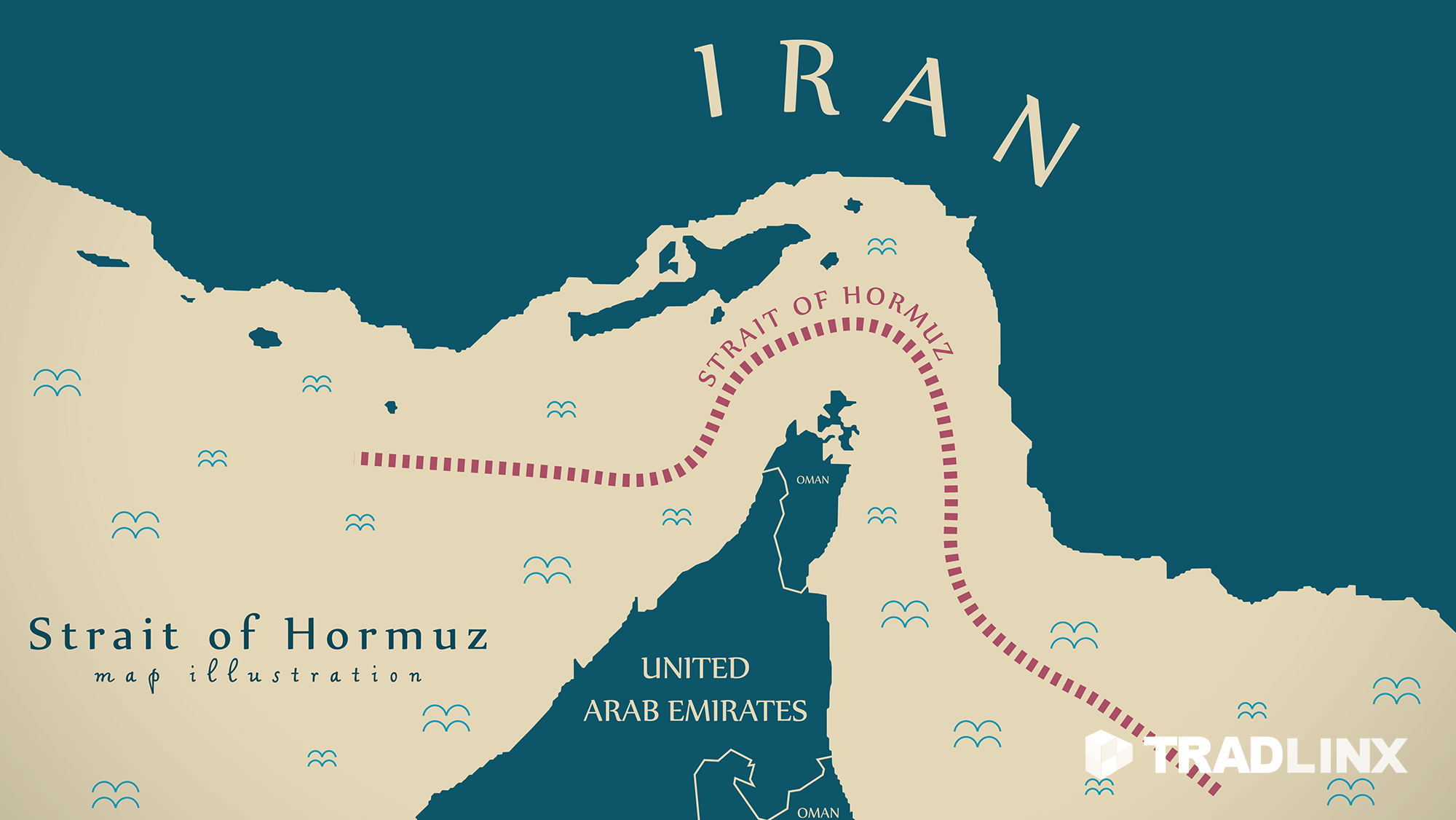
If you look at a map, the geography is claustrophobic. At its narrowest, the shipping lanes are only two miles wide in either direction. Through this tiny gap passes about 20% of the world’s total petroleum liquids. That’s roughly 21 million barrels a day. When tension spikes between Iran and the West, the conversation always shifts to whether Tehran will "close" the strait. But here’s the thing—they don’t actually have to sink a tanker to win the argument. The psychological pressure of the possibility does half the work for them.
The Illusion of Control in Narrow Waters
Most people think of a blockade as a row of warships parked across the water. It doesn't work that way in the modern era. Iran’s strategy isn’t about conventional naval dominance; it’s about "asymmetric" friction. They use fast-attack craft, sea mines, and shore-based missiles. It’s death by a thousand cuts.
Western powers, led by the U.S. Fifth Fleet in Bahrain, maintain a massive presence to keep the lanes open. They talk about "freedom of navigation" like it’s a physical law. It isn't. It’s a fragile consensus. Every time a drone gets shot down or a tanker is "limpet-mined," the insurance premiums for shipping companies skyrocket. That cost gets passed directly to you at the gas pump, even if not a single drop of oil is actually lost at sea.
You're looking at a theater where perception is reality. Iran knows it can't win a sustained blue-water war against the U.S. Navy. They don't want to. They want to maintain the status of the strait as a "Strait of Hormuz" that is simultaneously safe for their own exports but a nightmare for everyone else’s peace of mind.
Why Pipelines Aren't the Easy Fix You Think
Whenever things get heated, someone always brings up the pipelines. "Why don't we just bypass the strait?" Saudi Arabia and the United Arab Emirates have spent billions on this. The East-West Pipeline in Saudi Arabia can move about 5 million barrels a day to the Red Sea. The Abu Dhabi Crude Oil Pipeline can bypass the strait to reach the Gulf of Oman.
It’s a drop in the bucket.
Total bypass capacity currently sits at roughly 8 to 9 million barrels per day. Do the math. If the strait shuts down, more than 12 million barrels a day are still trapped. There is no magical infrastructure project that makes the Strait of Hormuz irrelevant. The world is addicted to the volume that only these waters can provide.
Furthermore, pipelines are static targets. They can be sabotaged. They can be bombed. A ship can change its route, but a pipe is a line on a map that says "hit me here." Relying on them as a total solution is wishful thinking. The world’s energy security is tied to that 21-mile gap, whether we like it or not.
Legal Grey Zones and the Law of the Sea
The legal status of the strait is a mess. The 1982 United Nations Convention on the Law of the Sea (UNCLOS) defines "transit passage" for international straits. It basically says ships have the right to pass through as long as they’re continuous and expeditious.
But there’s a catch. Iran signed the treaty but never ratified it. The U.S. never even signed it. Iran argues that they only have to grant "innocent passage," which is much more restrictive than "transit passage." Under innocent passage, a coastal state can temporarily suspend navigation if it’s essential for security.
This legal ambiguity is a tool. It allows for "legal" harassment. If an Iranian commander decides a tanker is polluting or violating some obscure maritime rule, they can board it. It’s not an act of war; it’s "maritime law enforcement." This creates a constant low-level humming of anxiety that keeps the global markets on edge.
The Real Cost of a Worst Case Scenario
What actually happens if the "cat is dead" and the strait closes?
Economists at institutions like the Center for Strategic and International Studies (CSIS) have modeled this. We aren't just talking about higher gas prices. We’re talking about a global systemic shock. China gets about half of its oil imports from the Persian Gulf. If that stops, the world’s manufacturing engine seizes up.
- Oil Prices: Estimates suggest an immediate jump to $150 or $200 per barrel.
- Insurance: War-risk premiums would make it economically impossible for most tankers to even enter the region.
- Food Security: Modern agriculture relies on petroleum for fertilizer and transport. A Hormuz crisis is a global hunger crisis.
It’s a domino effect. This is why the U.S. and its allies spend so much money on a constant naval presence. They aren't just protecting oil; they're protecting the entire post-WWII economic order.
The Survival of the Status Quo
The irony is that Iran needs the strait open just as much as anyone else. Their economy is already battered by sanctions. They need to sell what oil they can. Closing the strait would be a suicidal move—a "Samson Option" where they pull the temple down on everyone, including themselves.
So, we live in this middle ground. We live in the tension.
The Strait of Hormuz will stay "Schrodinger’s" because the uncertainty is the most valuable currency in the Middle East. As long as the West fears a shutdown, Iran has leverage. As long as the U.S. protects the lanes, it maintains its role as the global guarantor of trade. Everybody is playing a high-stakes game of chicken where nobody actually wants to crash.
Keep an eye on the insurance markets. Watch the "War Risk" surcharges from Lloyd's of London. Those numbers tell you more about the reality of the strait than any politician's speech. If those rates start climbing, the cat is starting to look a lot less alive.
Don't wait for a formal declaration of a blockade. In the modern world, the blockade starts in the spreadsheet of a maritime insurer long before the first shot is fired. Your best move is to diversify your understanding of energy risk beyond just "supply and demand." Politics is the third variable, and in the Strait of Hormuz, it's the only one that really matters. Focus on the move toward LNG (Liquefied Natural Gas) and how Qatar’s massive exports through the same strait are creating new dependencies in Europe. The game is changing, but the board remains the same narrow stretch of water.