The Illusion of Control in the Persian Gulf
The headlines are predictable. Prime Minister Keir Starmer and President Donald Trump sit in a gold-trimmed room, "discussing military options" for the Strait of Hormuz. The press treats this like a masterstroke of geopolitical readiness. It isn’t. It’s a performance of 20th-century muscle memory that ignores the brutal math of modern naval attrition.
The lazy consensus suggests that a combined UK-US naval task force can "secure" the world's most vital chokepoint through sheer presence. This narrative assumes that the threat remains high-seas piracy or conventional state-on-state ship battles. That world is dead. If Starmer and Trump are talking about sending multi-billion dollar destroyers to sit in a bathtub surrounded by 2,500 Iranian fast-attack craft and shore-based ASCMs (Anti-Ship Cruise Missiles), they aren't planning a defense. They are providing targets. Building on this theme, you can also read: The Geopolitical Cost Function of the US Peru Alliance.
The $2 Million Solution to a $2 Billion Problem
I have watched defense analysts hand-wave the reality of "asymmetric saturation" for a decade. Here is the math they won't tell the public: A single Type 45 destroyer costs the UK taxpayer roughly £1 billion. Its primary defense, the Sea Viper missile, costs between £1 million and £2 million per shot.
Iran does not need to sink the ship to win. They only need to empty its magazines. Analysts at USA Today have provided expertise on this situation.
By swarming the Strait with a mix of low-cost drones and shore-launched missiles, an adversary forces a Western commander into a fatal choice. Do you use a $2 million interceptor to down a $20,000 Shahed drone? You have to. If you don't, the drone hits the radar array, and your billion-pound asset becomes a floating paperweight. This isn't a military option; it’s an economic liquidation event.
The "options" Starmer and Trump are discussing likely involve the same tired patrol patterns that have existed since Operation Earnest Will in 1987. But in 1987, the "tanker war" was fought with mines and gravity bombs. Today, the Strait is a kill zone where the geography favors the shore, not the ship.
Energy Security is a Supply Chain Myth
The standard justification for this saber-rattling is "protecting the global energy supply." This is the most enduring lie in foreign policy.
About 20% of the world's liquid petroleum passes through the Strait. The logic goes that if the Strait closes, the West collapses. This ignores the massive structural shifts in energy independence over the last fifteen years. The United States is a net exporter of oil. The UK has diversified its gas imports heavily toward Norway and Qatar (via LNG that can be rerouted or hedged).
The real victim of a Hormuz shutdown isn't London or Washington; it’s Beijing. China is the primary destination for crude flowing out of the Persian Gulf. By committing Royal Navy assets and US Carrier Strike Groups to "protect" the Strait, Starmer and Trump are effectively providing a free security escort for Chinese industry.
We are spending Western blood and treasure to ensure the lights stay on in Shanghai, while the very people we are "protecting" the oil from—regional powers like Iran—know exactly how to leverage this paradox. If the West were serious about strategic autonomy, they would stop trying to police a waterway that benefits their primary economic rivals more than themselves.
The Carrier Gap
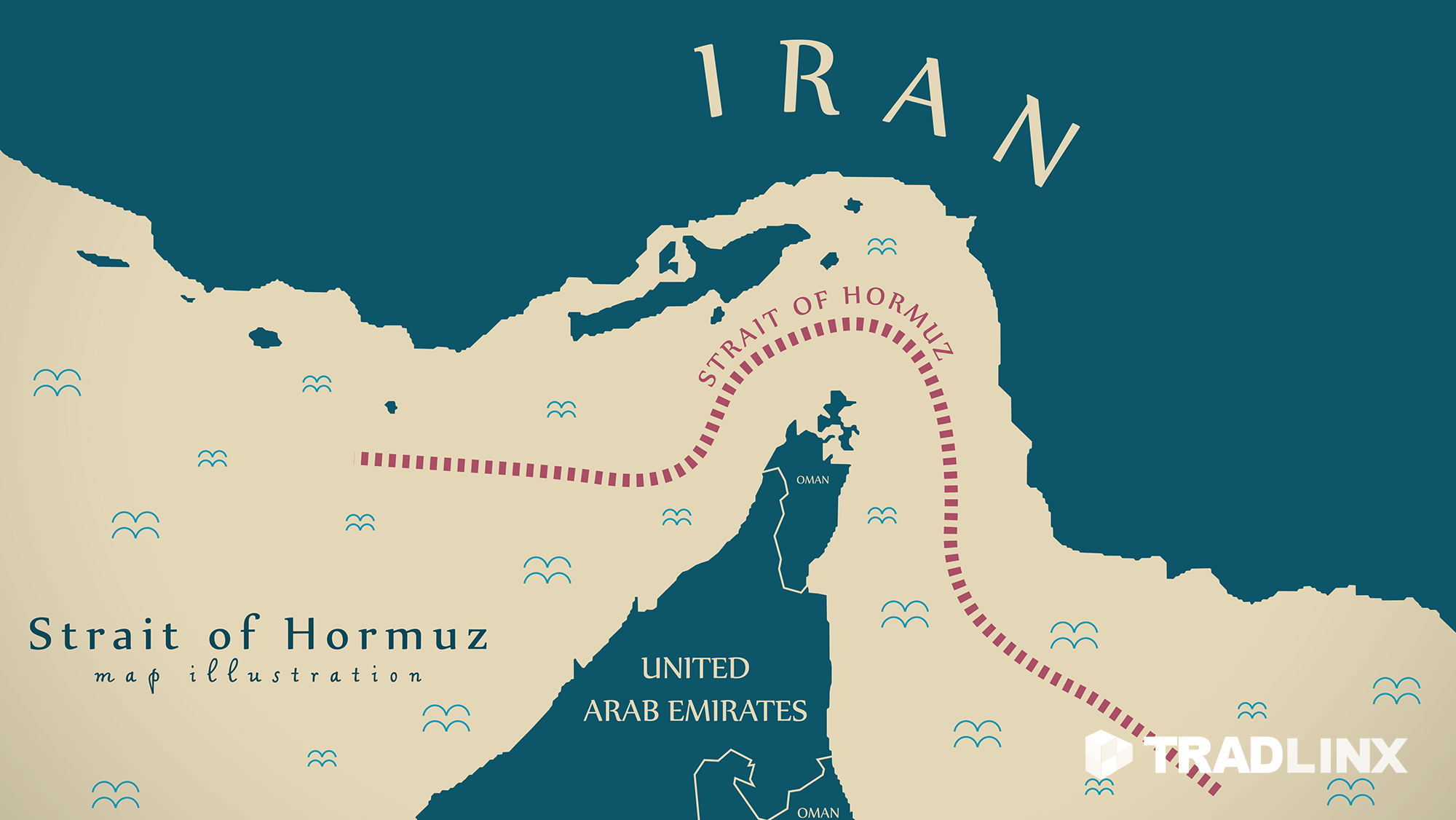
Let’s talk about the HMS Prince of Wales or the USS Gerald R. Ford. These are the crown jewels of Western power projection. In the narrow confines of the Strait of Hormuz—which is only 21 miles wide at its narrowest point—a carrier is a liability.
To launch sorties, a carrier must turn into the wind and maintain a predictable course. In the Strait, there is no room to maneuver. You are operating within the "NEZ" (No Escape Zone) of almost every mobile coastal battery on the Iranian plateau.
I’ve sat in rooms where "escalation dominance" is discussed as if it’s a dial you can just turn up. It’s not. If Starmer commits a UK carrier to the region to appease a Trump administration, he is gambling the entire future of British naval power on a single point of failure. One lucky hit by a hypersonic missile or a subsurface swarm doesn't just sink a ship; it ends the UK’s status as a global power overnight.
The False Premise of "Military Options"
When leaders say they are "discussing options," they usually mean kinetic strikes. They think they can "clear" the coastline. This is a fantasy born of the First Gulf War.
The topography of the Iranian coastline is a maze of mountains, hidden bunkers, and mobile launchers that can be fired and hidden in minutes. There is no "Search and Destroy" mission that can guarantee the safety of commercial shipping in a 21-mile wide channel.
The only "option" that actually works is a diplomatic framework that addresses the underlying regional friction. But diplomacy is boring. It doesn't look good on a campaign poster. It doesn't allow a Prime Minister to look "Churchillian" next to a populist President.
The Brutal Reality of Escort Duties
If the plan is to return to the escorting of individual tankers, we have already lost. The sheer volume of traffic makes comprehensive escorting impossible.
- Logistical Fatigue: The Royal Navy is already stretched thin. With ongoing commitments in the Red Sea against Houthi rebels, the fleet is hitting a breaking point in terms of maintenance cycles and crew burnout.
- The Insurance Trap: Even if the Navy "guarantees" passage, Lloyds of London and other insurers will skyrocket rates the moment a single shot is fired. The economic damage happens at the desk of an underwriter, not just on the deck of a ship.
- The Drone Saturation: We are seeing in the Black Sea how cheap, unmanned surface vessels can neutralize a traditional navy. The Strait of Hormuz is the perfect environment for this.
Stop Playing the 1980s Hits
Starmer and Trump are looking at a map and seeing a choke point. They should be looking at a balance sheet and seeing a deficit.
The obsession with the Strait of Hormuz is a symptom of "Legacy Thinking." It’s the belief that because we’ve always protected these sea lanes, we must always protect them, regardless of the cost-benefit analysis.
If the UK wants to be a serious player in the 2030s, it needs to stop being the junior partner in a maritime police force that has outlived its usefulness. We should be pivoting toward domestic energy resilience and sub-surface warfare capabilities, rather than parading vulnerable surface ships in front of shore-based batteries.
The status quo isn't stability; it’s a slow-motion car crash. Every time a Western leader doubles down on naval presence in the Gulf, they signal to the world that they are trapped in a strategic framework that no longer exists.
The Strait of Hormuz isn't a problem to be "solved" with a carrier group. It’s a reality to be bypassed through energy independence and a cold-eyed assessment of who actually benefits from that oil. Until Starmer and Trump realize they are subsidizing China’s energy security with Western hulls, they are just playing a high-stakes game of pretend.
The era of the "Global Policeman" died in the waters of the Red Sea and the Black Sea. It's time to stop pretending the Persian Gulf will be any different. Move the ships. Break the dependency. Stop the theater.