The arithmetic of a modern naval blockade in the Persian Gulf is often oversimplified into a contest of sheer willpower. However, the reality of a potential conflict between the Trump administration and Tehran over the Strait of Hormuz is governed by cold, hard logistics and the brutal physics of asymmetric warfare. While Iranian rhetoric frequently pivots to the mobilization of "one million fighters," the actual tactical constraint is not human capital but the narrow, shallow geography of the world’s most sensitive oil chokepoint. If the United States initiates a kinetic operation to keep the shipping lanes open, the timeline will be measured not in months of occupation, but in the hours it takes for insurance premiums to make global trade impossible.
The core premise of the current tension rests on a fundamental misunderstanding of what a "blockade" looks like in 2026. Iran does not need to park a fleet of destroyers in the middle of the channel. They only need to make the risk of transit statistically unacceptable for commercial tankers. This is the "Million Man" strategy in a different light—not a literal army marching on water, but a decentralized, multi-layered threat profile that spans drone swarms, midget submarines, and thousands of shore-based anti-ship missiles.
The Geography of Risk
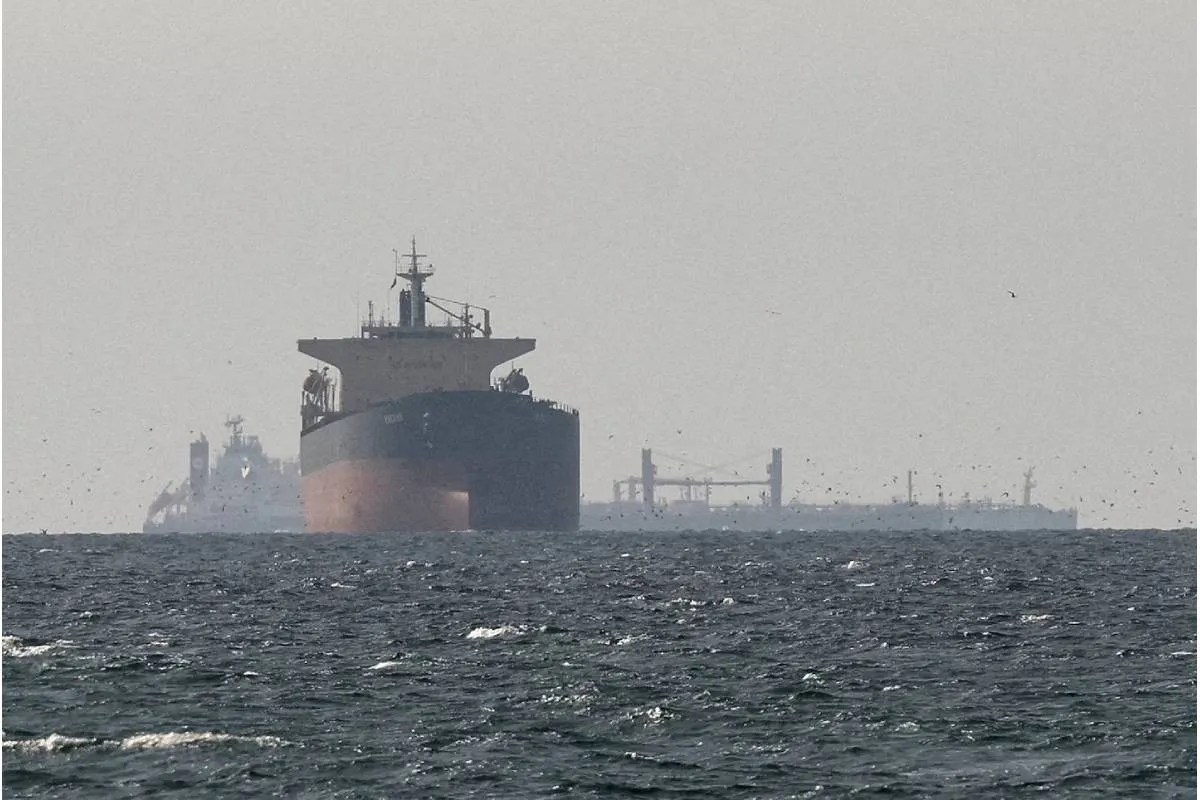
The Strait of Hormuz is roughly 21 miles wide at its narrowest point, but the actual shipping lanes are only two miles wide in each direction, separated by a two-mile buffer zone. This narrowness is a gift to any defending force. When Tehran claims they have a million fighters ready, they are signaling a commitment to a total-war posture that would turn every fishing dhow and civilian port into a potential launch site for precision-guided munitions.
A U.S. operation to "clear" the Strait would likely involve a massive aerial and electronic warfare campaign. The goal would be to blind Iranian radar and neutralize mobile missile batteries along the jagged coastline. Yet, history shows that mobile launchers are notoriously difficult to find. During the Gulf War, the "Great Scud Hunt" proved that even with total air superiority, detecting and destroying small, mobile units in mountainous or urban terrain is an exercise in frustration. Iran has spent decades refining this hide-and-shoot capability.
The Drone Swarm and the Cost Curve
The math of modern defense is currently skewed in favor of the cheaper attacker. A single U.S. Navy Interceptor missile, like the SM-6, can cost over $4 million. The Iranian-manufactured drones or loitering munitions they are designed to shot down can cost as little as $20,000. In a prolonged engagement, the U.S. faces a "magazine depth" problem. Even the most advanced carrier strike group can eventually be depleted of its primary defensive armaments if subjected to waves of low-cost, expendable threats.
This is where the "million fighters" concept becomes a technical reality. If Iran utilizes its massive paramilitary force, the Basij, to launch thousands of small, explosive-laden boats and drones simultaneously, they create a saturation point. Radar systems can track hundreds of targets, but physical interceptors are finite. Once the defensive screen is breached, even a single hit on a multi-billion dollar platform or a VLCC (Very Large Crude Carrier) effectively ends the "safe" status of the Strait.
The Global Economic Trigger
Wall Street and the oil markets do not wait for a formal declaration of victory. The moment the first missile is fired, Lloyd’s of London and other major insurers will likely designate the Persian Gulf a "war risk zone," causing premiums to skyrocket or coverage to be withdrawn entirely.
- Supply Shock: Approximately 20% of the world's liquid petroleum passes through this chokepoint.
- Price Volatility: Analysts predict an immediate jump to $150 or $200 per barrel, regardless of the actual physical damage to the fleet.
- Alternative Routes: While pipelines through Saudi Arabia exist, they cannot handle the full volume of the Strait’s daily traffic.
Trump’s historical approach to foreign policy suggests a preference for maximum pressure followed by a quick exit or a grand bargain. However, a Hormuz operation does not allow for a middle ground. You either control the water or you don't. A "limited" five-day strike would likely be met with an asymmetric response that lasts for weeks, targeting not just the U.S. Navy, but the critical infrastructure of regional energy producers like the UAE and Saudi Arabia.
The Invisible Front of Electronic Warfare
Beyond the kinetic exchange, the battle for the Strait will be won or lost in the electromagnetic spectrum. Iran has significantly invested in Russian and Chinese-origin electronic warfare (EW) suites designed to spoof GPS signals and disrupt satellite communications. For a U.S. military that relies heavily on precision-guided data, a "dark" environment in the Persian Gulf would force a return to more traditional, and more dangerous, forms of engagement.
The "million fighters" mentioned by Iranian officials include cyber units capable of targeting the logistical software that manages global shipping. If a port in Rotterdam or Singapore is frozen by a cyber-attack linked to the Hormuz conflict, the operation has effectively moved beyond the Middle East. This is the definition of "gray zone" warfare—using non-traditional means to achieve strategic ends without triggering a full-scale nuclear standoff.
The Reality of Naval Endurance
Western planners often overestimate how long a high-intensity naval operation can be sustained without a regional land base that is immune to retaliatory strikes. If Qatar, Kuwait, or the UAE refuse to allow their soil to be used for offensive sorties out of fear of Iranian missiles, the U.S. must rely entirely on its carrier-based wings. This places the carriers themselves in the line of fire, forcing them further out into the Arabian Sea and increasing the flight time and refueling requirements for every mission.
The Iranian strategy is to make the "days of operation" so costly and so politically unpopular that the U.S. is forced to negotiate from a position of economic exhaustion. They aren't looking to sink the entire U.S. Fifth Fleet; they are looking to sink the narrative of American invincibility in the region.
The question of how many days Trump will operate in Hormuz is the wrong metric. The real question is how many days the global economy can survive a closed Strait before the domestic political pressure in Washington forces a retreat. Tehran knows this. Their "million fighters" aren't just holding rifles; they are holding the metaphorical valve to the world's engine.
Monitor the movement of insurance underwriters and the deployment of undersea salvage teams. Those are the real indicators of how long this conflict will last. When the risk-assessment models at the world’s largest banks turn red, the window for a military "solution" slams shut.
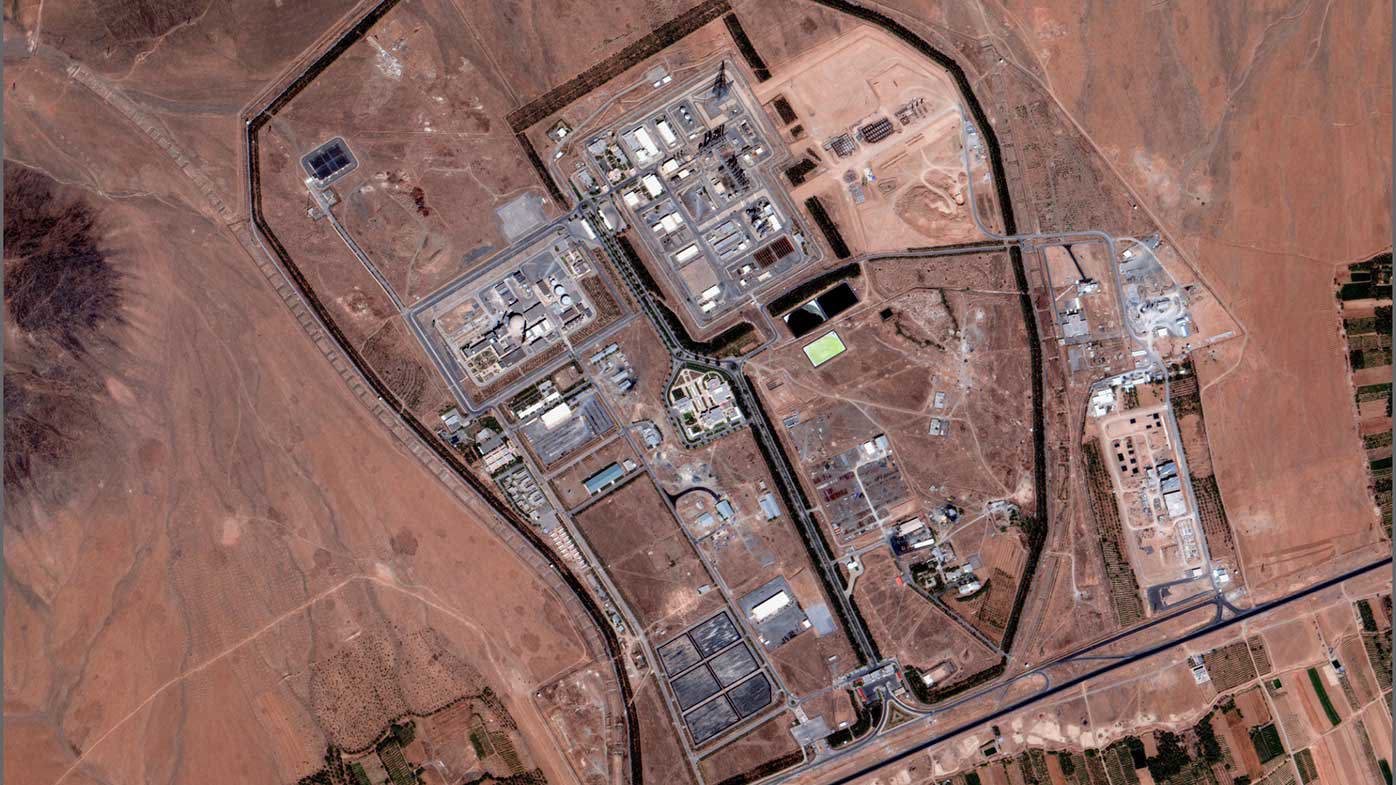
Check the current positioning of the USS Abraham Lincoln and its escorts against the latest satellite imagery of Iran's underground missile cities.