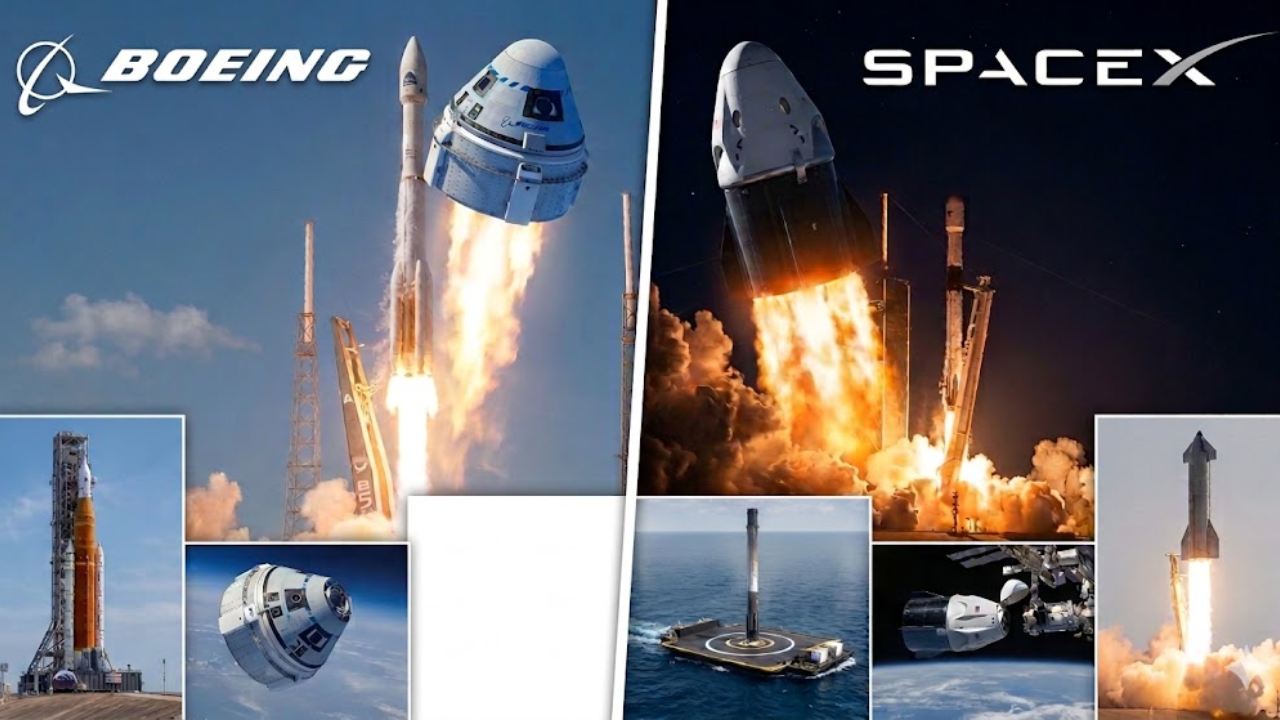
Let's be real about what's happening at NASA right now. The old way of doing things is dying, and Boeing is watching from the sidelines while Elon Musk's SpaceX basically becomes the entire lunar program. This isn't just another contract shuffle. It's a fundamental shift in how we’re getting back to the moon, and frankly, it's about time.
For years, the plan was simple: Boeing’s Space Launch System (SLS) would do the heavy lifting. It was supposed to blast the Orion capsule toward the moon, where it would meet a SpaceX Starship lander waiting in lunar orbit. But that plan just got scrapped. In a massive "course correction" announced by NASA Administrator Jared Isaacman in February 2026, the agency is sidelining the SLS from its most prestigious job.
The new math of lunar transit
NASA’s updated architecture makes Starship the star of the show, not just the "elevator" to the lunar surface. Under the new proposal, the SLS only gets Orion into Earth orbit. Once there, Orion will dock with Starship. Then, Starship—not the SLS upper stage—will provide the muscle to push the whole stack toward the moon.
This change effectively removes Boeing’s most "deep-space" responsibility. Why? Because the SLS is proving too expensive and too slow to meet the new aggressive timeline. We’re talking about a rocket that costs roughly $4 billion per launch. SpaceX is building a system designed to fly for a fraction of that, and NASA finally admitted they can't ignore the economics anymore.
Why Boeing lost its grip
If you've followed the Starliner saga, you know why NASA’s trust in Boeing is at an all-time low. The 2024 Crew Flight Test (CFT) was a mess. Five thrusters failed during docking, helium leaks were popping up like bad plumbing, and astronauts Butch Wilmore and Suni Williams ended up "stranded" for months until a SpaceX Dragon could pick them up in early 2025.
A brutal investigation report released in February 2026 called the Starliner mission a "Type A mishap." That's NASA-speak for "someone could have died." The report didn't just blame the hardware; it blamed a "risk-tolerant and dismissive" culture at Boeing. When you compare that to SpaceX's "fail fast, fix faster" approach at Starbase, the winner is obvious.
The Artemis schedule shakeup
Don't expect footprints on the lunar dust this year. The timeline has shifted again to manage these massive technical changes.
- Artemis II (April 2026): A crewed flyby around the moon. This is the last mission where the SLS and Orion work together in the "old" way. It’s the "go/no-go" moment for the entire program.
- Artemis III (2027): This is no longer a landing mission. It’s now a high-stakes dress rehearsal in Low Earth Orbit (LEO). SpaceX will have to prove Starship can refuel in orbit and dock with Orion.
- Artemis IV (Early 2028): This is the new target for the actual landing.
The refueling hurdle
SpaceX isn't off the hook, though. Their plan requires something never done before: large-scale cryogenic refueling in space. To get one Starship to the moon, SpaceX might need to launch ten "tanker" Starships to fill its belly in orbit. It's a logistical nightmare, but NASA thinks it's a more solvable problem than Boeing's constant manufacturing delays and cost overruns.
Honestly, the SLS is looking more like a bridge to the past than a vehicle for the future. It’s a "disposable" rocket in a world that’s gone reusable. While Boeing engineers talk about "standardizing configurations," SpaceX is out there catching boosters with giant metal chopsticks.
What happens next
NASA isn't firing Boeing yet—the SLS is still "necessary" through Artemis V because of existing contracts and political pressure from Congress. But the writing is on the wall. The agency is rebuilding its own internal expertise to work "side-by-side" with commercial partners, which is a polite way of saying they’re done letting legacy contractors grade their own homework.
If you want to keep track of this, watch the Artemis II launch in April. If that SLS has even a minor hiccup, expect NASA to lean even harder into the SpaceX ecosystem. You should also keep an eye on the Starship "V3" tests at Starbase; that's the hardware that will actually be doing the heavy lifting for the moon landings. The era of the "Old Space" monopoly is officially over.
Stop waiting for the SLS to become efficient. It won't happen. The future of the moon is silver, stainless steel, and owned by SpaceX.