The legal press is currently obsessed with a series of jury verdicts against Meta and Google. They frame these moments as a "clash of titans" or a "pivotal turning point" for tech liability. They are wrong. They are looking at the smoke and missing the forest fire.
The consensus view—the lazy view—is that Section 230 of the Communications Decency Act remains a sturdy shield that is only now beginning to crack under the pressure of "product liability" theories. This narrative suggests we are entering a new era of accountability. In reality, Section 230 has been a hollow shell for years, and the current wave of litigation isn't a revolution. It is a liquidation sale.
If you believe the legal shield is what defines the internet, you have been sold a fantasy. The fight isn't about protecting free speech or shielding platforms from "user-generated content." It is about whether an algorithm counts as a "product" or a "publisher." While lawyers argue over the semantics of the 1996 statute, the technology has already moved into a space where the law has no vocabulary to describe it.
The Algorithmic Product Fallacy
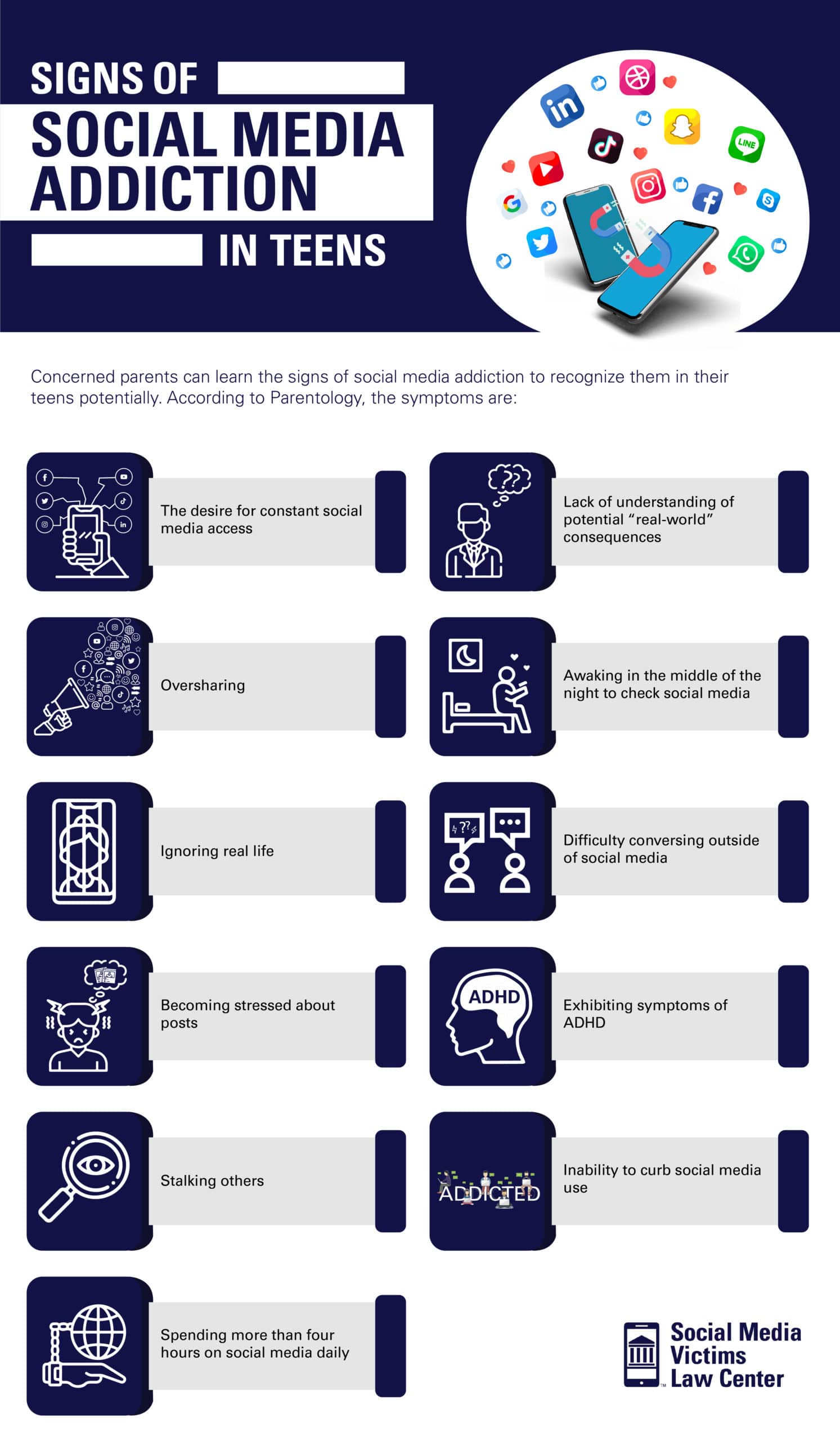
Every major news outlet covering the recent verdicts in California or the mounting cases in the MDL (Multi-District Litigation) over social media harms follows the same script. They tell you that Section 230 protects companies from being sued for what users post. Then, they whisper that the "new" strategy is to sue platforms for their design—the addictive loops, the notification pings, the rabbit-hole algorithms.
Here is the truth: This isn't a "new" strategy. It is the only strategy left because Section 230 was never meant to cover the psychological engineering of a billion people.
When Google’s lawyers stand up in court, they argue that recommending a video is the same as "publishing" it. They want the protection of a bookstore owner. But a bookstore owner doesn't follow you home, whisper in your ear while you sleep, and hand you a specific book based on your dopamine levels at 3:00 AM.
The courts are starting to realize that "recommendation" is not "publication." It is curation. It is engineering. And once you admit that an algorithm is an engineered product, Section 230 vanishes. We aren't seeing a "fight over tech liability." We are seeing the legal system finally admit that these companies aren't platforms. They are digital pharmaceutical companies without a prescription pad.
Why the Tech Giants Want to Lose (Slowly)
You would think Meta and Google are terrified of losing these shields. On the surface, they are fighting tooth and nail. But look closer at the math.
I’ve seen companies burn $50 million on legal fees just to delay a single verdict by eighteen months. Why? Because the status quo is incredibly profitable. Even if a jury hits Meta with a $100 million verdict, that is a rounding error on their quarterly earnings.
The real danger isn't the payout. The danger is a clear, bright-line rule that tells them exactly what they can't do. As long as the law is "uncertain" and "evolving," the big players can out-litigate anyone. A messy, unpredictable legal environment favors the incumbent with the biggest war chest.
If Section 230 is fully repealed or narrowed by the Supreme Court, who wins? Not the scrappy startup. The startup can't afford a team of 5,000 moderators and a legal department the size of a small city. Meta can. Google can. ByteDance can.
The "death" of tech liability is actually the birth of the Great Tech Moat. By forcing platforms to be responsible for every byte of data, you ensure that only the giants can survive the compliance costs. The trial lawyers are busy trying to get a paycheck for their clients, but they are inadvertently building a world where Big Tech is the only game in town.
The Product Liability Trap
The current trend is to treat social media like a defective toaster. If the toaster explodes and burns your house down, the manufacturer is liable. Simple.
Lawyers are now arguing that if an algorithm "explodes" and causes mental health crises, the platform is liable under "strict product liability."
This sounds logical. It is also a disaster in practice.
A toaster has a clear function. An algorithm's "function" is subjective. If an algorithm shows a teenager content that makes them feel insecure, is that a "defect"? Or is that just a reflection of the human condition?
When we move from "Publishing" to "Product Liability," we are asking judges and juries to become the chief product officers of the internet. We are asking them to decide what a "safe" UI looks like.
Imagine a scenario where a jury decides that "infinite scroll" is a defective product feature. Suddenly, every app on your phone is illegal. Every news site is a liability. The "contrarian" take here isn't that social media is harmless—it clearly isn't—but that the legal system is a blunt instrument trying to perform brain surgery.
The Myth of the "Innocent" Platform
The "People Also Ask" sections of the internet are filled with queries like "Does Section 230 protect against AI?" or "Can I sue Meta for my child's addiction?"
The honest answer is: Yes, you can sue. No, you probably won't win enough to matter. And most importantly, your lawsuit won't change the product.
The industry insider secret is that these platforms are already pivoting. They know the Section 230 shield is a tattered rag. That’s why you see the sudden rush toward Generative AI.
Think about it. If a platform "generates" the content using an AI, Section 230 definitely doesn't apply. The company is the creator. Why would they move toward a technology that increases their liability?
Because they’ve realized that the "user-generated" model is dying anyway. The future is "platform-generated, user-directed." By controlling the output through AI, they can bake the safety (and the monetization) directly into the model. They are trading the legal shield of the 90s for the technological control of the 2020s.
The Liability Fight is a Distraction
While the media focuses on jury verdicts in state courts, the real action is happening in the data centers.
The tech giants aren't worried about a few billion in damages. They are worried about "Discovery."
In a product liability case, the plaintiffs get to see the internal blueprints. They get the emails where engineers admit they knew the "Like" button was causing cortisol spikes. They get the internal memos where researchers warned about "rabbit holes" and were ignored.
This is what the "tech liability fight" is actually about. It's not about the law; it's about the secrets.
The industry is fighting to keep the "black box" closed. Every time a jury delivers a verdict against Google or Meta, another crack appears in that box. The "contrarian" view here is that we should stop worrying about whether the law is "broken" and start realizing that the law was never the point. The law was just a lock on the door.
Your Data is the Ransom
If you think a legal "win" against Big Tech will result in a better internet, you're dreaming.
If the liability shield goes away, the internet as you know it becomes a gated community. To mitigate risk, platforms will demand even more data from you.
- "We need your government ID to ensure you're an adult."
- "We need to monitor your private messages to ensure you aren't sharing 'harmful' content that we might be liable for."
- "We need to track your biometric data to ensure you aren't exhibiting signs of 'addictive behavior' that could lead to a lawsuit."
The irony is thick. The push for "accountability" through the legal system will provide the perfect excuse for the ultimate surveillance state. The platforms will argue that they must invade your privacy to protect themselves from liability.
They will turn the courtroom loss into a boardroom win.
The Final Liquidation
Stop asking if Section 230 will be repealed. It is being dismantled piece by piece, jury by jury, and the result will not be a "freer" or "safer" internet.
It will be an internet that is more consolidated, more monitored, and more expensive.
The trial lawyers will get their 33%. The plaintiffs will get a check that won't fix their lives. And the tech giants will write the loss off as a cost of doing business while they build the next iteration of the machine—one that doesn't need a legal shield because it owns the very reality you consume.
The fight isn't over a shield. The shield is already on the floor. The fight is over who gets to pick up the sword.
If you are waiting for a court to save you from your screen, you have already lost. The only way to win a product liability war against a company that designs your dopamine loops is to stop using the product. But we both know that isn't going to happen.
The jury has reached a verdict. The platforms are guilty. Now, they are just waiting for the invoice so they can pay it and get back to work.
Delete your account or stop complaining about the terms of service.