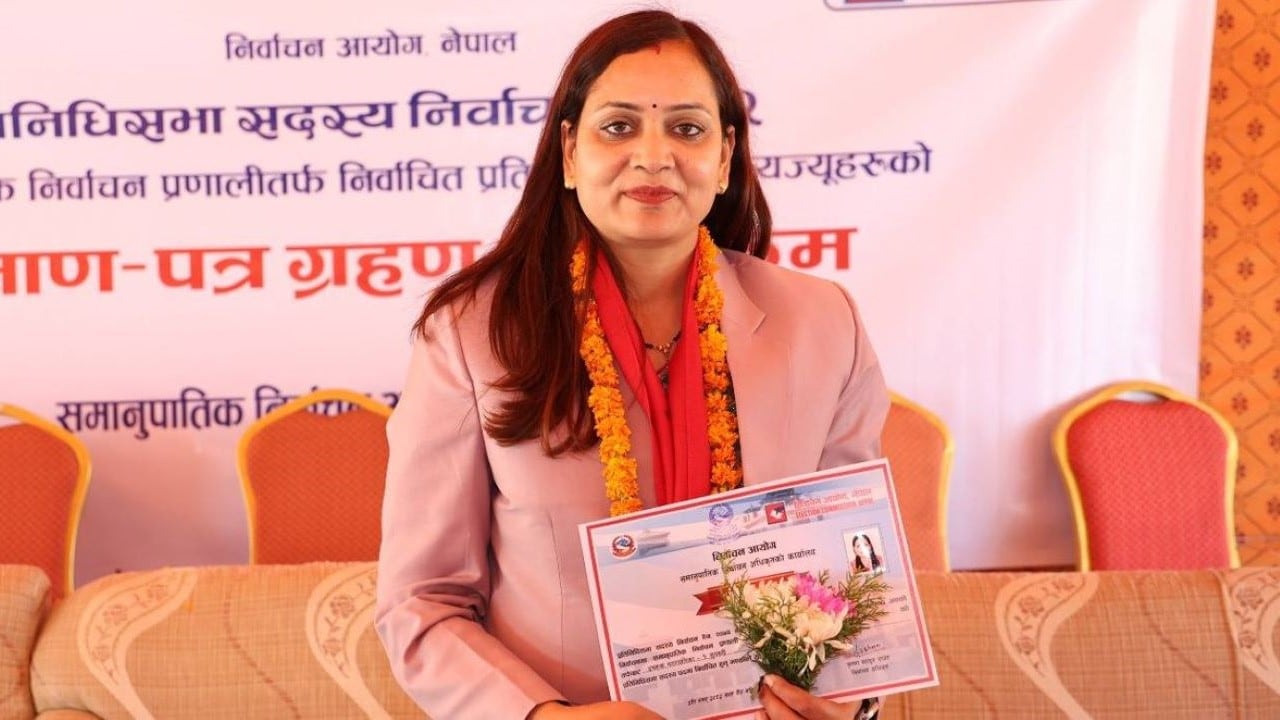
Nisha Mehta isn't just another name in a shifting cabinet. She represents a massive shift in how Nepal views its healthcare leadership. When news broke that an AIIMS Delhi alumna was taking the helm as Nepal’s Health Minister, it wasn't just a local headline. It was a signal. For years, the Ministry of Health and Population has been a revolving door of career politicians who often lacked the technical depth to fix a crumbling rural health infrastructure. Mehta changes that math entirely.
She brings a specific kind of pedigree that matters in South Asia. If you know anything about the All India Institute of Medical Sciences (AIIMS) in Delhi, you know it’s the gold standard. It’s a pressure cooker. It produces doctors who are as comfortable with high-level research as they are with managing overcrowded wards. Bringing that "AIIMS grit" to the administrative halls of Kathmandu is a move that has both health experts and the public leaning in with cautious optimism.
The AIIMS Connection and Why It Matters
Education matters, but the institution defines the perspective. Mehta’s time at AIIMS Delhi didn't just give her a degree. It gave her a front-row seat to one of the most complex healthcare systems in the world. India and Nepal share remarkably similar public health challenges. We're talking about high maternal mortality in remote areas, a rising burden of non-communicable diseases, and a desperate need for digital health integration.
Most politicians look at health through the lens of ribbon-cutting ceremonies at new hospital buildings. A doctor-turned-minister looks at the patient flow. They look at the supply chain of essential medicines. Mehta understands the "brain drain" because she’s lived the life of a high-achieving medical professional who saw colleagues leave for the West. Her presence in the cabinet suggests that maybe, just maybe, the government is ready to listen to someone who actually knows how a stethoscope feels.
Breaking the Mold of Nepali Bureaucracy
Let’s be real about the situation in Kathmandu. The bureaucracy is often where good ideas go to die. Traditionally, the Health Ministry has struggled with budget underutilization and a lack of coordination between federal and provincial levels. It’s messy. It’s frustrating.
Mehta enters this space not just as a medical professional, but as a symbol of the "technocrat" movement. People are tired of the same old faces. They want expertise. By appointing an AIIMS alumna, the leadership is betting on the fact that her technical credibility will override the usual political bickering. She’s got a massive task ahead: fixing the insurance scheme. Nepal’s National Health Insurance program is currently a bit of a wreck. It’s underfunded and hospitals are dropping out because of payment delays. Mehta’s first real test won't be a speech; it’ll be whether she can make the insurance system functional for the average citizen in Janakpur or Jumla.
Practical Challenges in Rural Healthcare
It’s easy to look good in a suit in the capital. It’s much harder to ensure a health post in a remote Himalayan village has basic paracetamol and a working fridge for vaccines. This is where the rubber meets the road for the new minister.
- Human Resource Distribution: Doctors don't want to stay in rural areas. It’s a global problem, but in Nepal, it’s a crisis. Mehta needs to move beyond "mandatory service" talk and start looking at real incentives—better housing, career paths, and digital support.
- Medical Education Reform: As an alumna of a top-tier regional institute, she knows what quality looks like. She has to balance the need for more doctors with the absolute necessity of maintaining high standards in Nepal’s own medical colleges.
- Emergency Response: Nepal is earthquake-prone and faces climate-related health risks like dengue outbreaks that are moving higher into the mountains every year.
Mehta has the academic background to understand the data, but she’ll need raw political will to move the money where it’s needed. Honestly, the honeymoon period will be short. The public expects her to bridge the gap between "elite education" and "grassroots delivery."
What This Means for India-Nepal Relations
You can't ignore the soft diplomacy here. An AIIMS-educated minister naturally understands the Indian healthcare ecosystem. This opens doors for better cross-border health cooperation. Whether it's streamlined referrals for complex surgeries or collaborative research on tropical diseases, the "AIIMS bond" is a real thing. It’s a shared language.
But don't mistake her for a puppet of foreign interests. Her primary loyalty is to the Nepali patient. Her background simply means she knows which buttons to push to get the best out of regional partnerships. She knows how the systems in Delhi work, which makes her a formidable negotiator for cross-border health initiatives and medicine procurement.
The Road Ahead for Nisha Mehta
Watching her trajectory will be a lesson in whether expertise can survive politics. If you're looking for signs of success, don't watch the big city hospitals. Watch the district-level facilities. If she can reduce the "out-of-pocket" expenditure for the average family, she’s winning. Currently, a single major illness can push a Nepali family into poverty. That’s the metric that matters.
If you’re a healthcare professional or an investor in the region, keep your eyes on the upcoming policy shifts regarding private-public partnerships. Mehta is likely to be more open to data-driven private sector involvement than her predecessors. She knows that the government can't do it alone.
Stay updated on the Ministry’s new directives. Check the official government portals for changes in the National Health Insurance policies over the next six months. If you’re a medical student in Nepal, watch her stance on residency placements and licensing exams. The "AIIMS effect" is about to hit the ground, and it’s going to be a wild ride for the status quo.