A one-year prison sentence rarely captures the full gravity of a threat against the Fourth Estate. In Hong Kong, a 38-year-old man named Ma Chun-ho was recently handed that exact term after threatening to firebomb six of the city’s most prominent media outlets. This was not a political manifesto or a grand ideological crusade. It was a breakdown of personal sanity fueled by romantic obsession and a digital era where the distance between a private grievance and a public catastrophe has vanished.
On September 29, 2024, Ma sent a series of chilling emails to newsrooms including HK01, Ming Pao, and Oriental Daily. He didn't just express anger. He provided a deadline. He claimed he would set their offices ablaze because they had, in his warped estimation, failed to report on a "conspiracy" involving his ex-girlfriend. He was a man who felt the world was ignoring his pain, and he decided that if the gatekeepers of information wouldn't tell his story, he would burn the gates down.
The Anatomy of a Modern Press Threat
The case against Ma Chun-ho exposes a raw nerve in the security protocols of modern newsrooms. While the industry is used to dealing with trolls and aggressive commenters, Ma’s approach was methodical enough to trigger immediate police intervention. He wasn't screaming into the void of a comments section. He targeted the administrative and editorial hearts of these organizations.
Security in Hong Kong newsrooms has historically focused on political flashpoints. The events of 2019 and the subsequent legal shifts in the city created a mindset where danger is expected from the streets or from high-level legal challenges. Ma represented a different, more erratic variable. He was the "lone wolf" of domestic grievance. His motivation was a failed relationship, yet his target was the infrastructure of public discourse.
When the police tracked him down to a flat in Fanling, they didn't find a sophisticated cell of insurgents. They found a man consumed by a "heartbreak" that had curdled into a dangerous delusion. This is the reality of modern risk management. The most significant threats often come from individuals who have untethered themselves from reality and believe the media is a personal service desk for their private lives.
The Illusion of Media Power
Ma’s core mistake was a common one among those who lash out at the press. He believed that newsrooms possess a divine power to "fix" personal problems. In his mind, his ex-girlfriend was part of a grander scheme that required a public exposé to resolve. When the journalists ignored his frantic outreach, he viewed it as a betrayal of their professional duty.
This reveals a fundamental misunderstanding of what a newsroom does. Reporters are not private investigators for hire. They are not a wing of the police force. They are filters. By attempting to force his way through that filter with threats of arson, Ma demonstrated the ultimate irony of the disgruntled citizen. He wanted to be heard so badly that he ensured the only thing ever written about him would be his criminal conviction.
The court heard how Ma suffered from an adjustment disorder. This isn't just a medical label. It describes a failure to cope with life's stressors, leading to an overblown reaction that defies logic. In the digital age, this disorder finds a megaphone. Ma could reach the entire media landscape of Hong Kong with a few clicks. The ease of access is what made his threats so potent and his eventual arrest so inevitable.
A Sentence That Sends a Mixed Signal
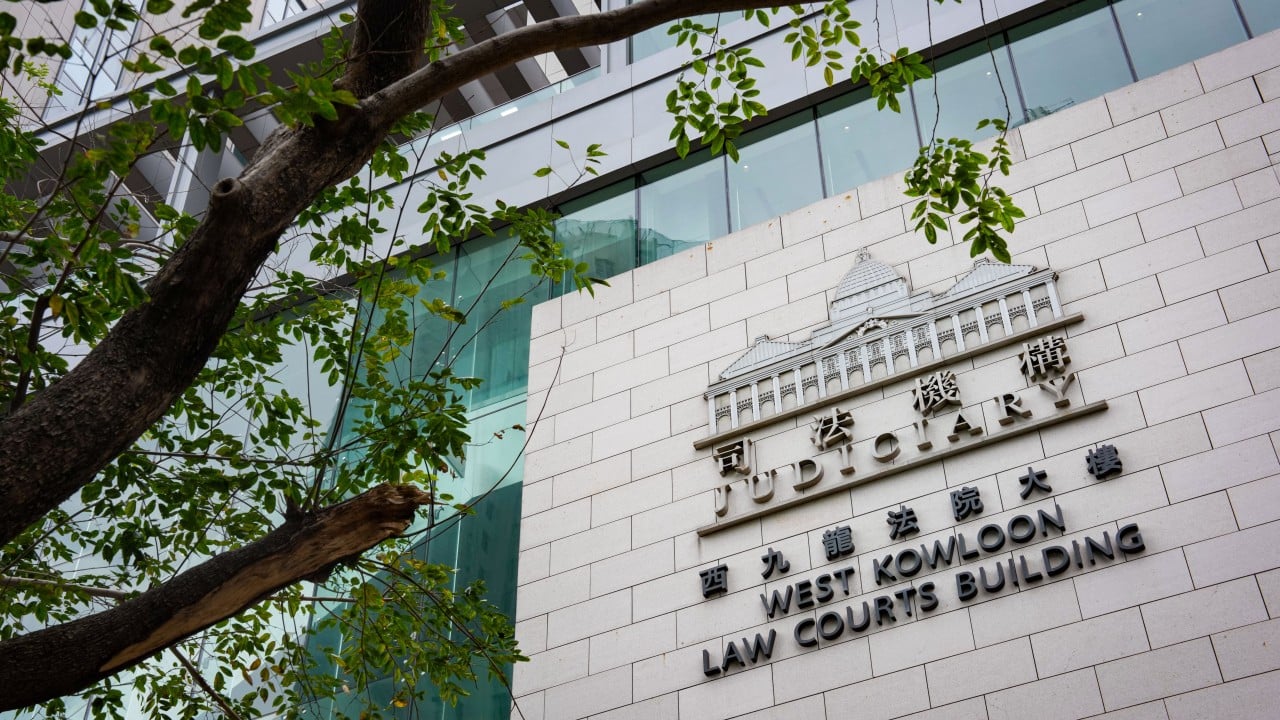
Magistrate Peter Yu Ka-hung, in delivering the one-year sentence, noted that the gravity of the offense was high. Threatening to burn down a building filled with hundreds of employees is not a minor lapse in judgment. However, the one-year term sits in a strange middle ground. Is it enough to deter the next person who feels slighted by a lack of coverage?
The defense argued that Ma was a man of "good character" who had simply lost his way after a breakup. This narrative of the "jilted lover" often earns a degree of misplaced sympathy in the legal system. But when that heartbreak transitions into a plan for mass casualty events, the character of the individual is no longer the primary concern. The safety of the collective is.
Journalists in Hong Kong are already operating in a high-pressure environment. Adding the threat of physical violence from the public they serve creates a pincer movement of stress. If every disgruntled reader believes a year in jail is a fair trade for terrorizing a newsroom, the "cost" of such actions remains dangerously low.
The Logistics of the Threat
Ma didn't just send one email. He sent multiple. He specified the locations. This was a coordinated attempt to induce panic.
- Targeting: He focused on high-traffic, influential outlets to maximize visibility.
- Method: The threat of fire is particularly visceral in a dense city like Hong Kong, where office towers are packed and escape routes are constrained.
- Motive: A purely personal grievance masquerading as a demand for "justice."
The police response was swift, utilizing cyber-intelligence to pin Ma’s location. It serves as a reminder that anonymity on the internet is a myth, especially when you are threatening the physical safety of major corporations. The digital trail he left was a breadcrumb path leading straight to his door in the New Territories.
The Psychological Toll on the Newsroom
We often talk about the victims of these crimes as "entities" or "organizations." We forget the interns, the editors, and the security guards who have to process these threats. When a firebomb threat lands in an inbox at 2:00 AM, the person reading it doesn't know about Ma's adjustment disorder or his ex-girlfriend. They only know that the building they are sitting in might become a furnace.
The trauma of these threats lingers long after the police have made an arrest. It changes how newsrooms handle mail, how they vet visitors, and how they interact with the public. It forces a defensive crouch. This is the hidden damage of Ma Chun-ho’s actions. He didn't just threaten six buildings; he poisoned the relationship between the press and the people.
Beyond the One-Year Mark
What happens when Ma is released? The court-ordered psychological treatment is a start, but it doesn't address the systemic issue. We are living in an era where the boundary between private obsession and public violence is paper-thin. Social media has trained us to believe that our personal narratives are the most important stories in the world. When the traditional media doesn't validate that belief, some individuals feel entitled to resort to "extraordinary measures."
This case should be a wake-up call for media outlets to modernize their internal threat assessment. It is no longer enough to have a sturdy front door. You need a way to filter the "noise" of the internet from the "signal" of a physical threat.
The press is often called the watchdog of society. But as Ma Chun-ho proved, the watchdog is sometimes the one being hunted. The one-year sentence may be served, the emails may be deleted, but the vulnerability remains. The next threat might not come from a political adversary or a government official. It might come from a man with a broken heart and a keyboard, looking for someone to blame for his own silence.
Every newsroom in the city now has to ask itself a difficult question. Are they prepared for the reader who doesn't want to correct a story, but wants to end the storyteller? Ma wasn't a revolutionary. He was a warning. If the cost of threatening the lives of hundreds of journalists is only twelve months of freedom, the industry remains in a precarious position. Protection of the press must involve more than just legal defense; it requires a societal recognition that a grievance is not a license for terror.