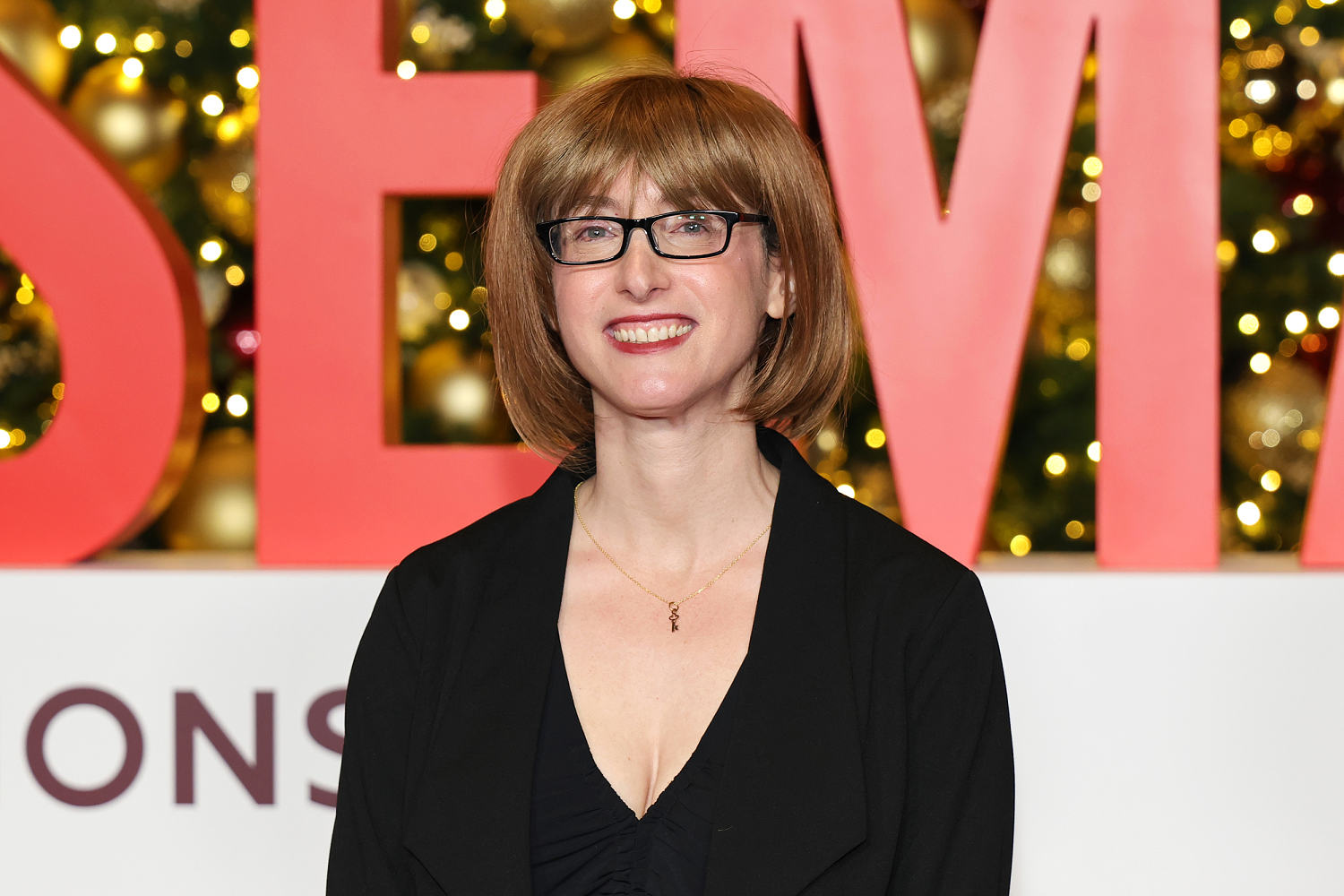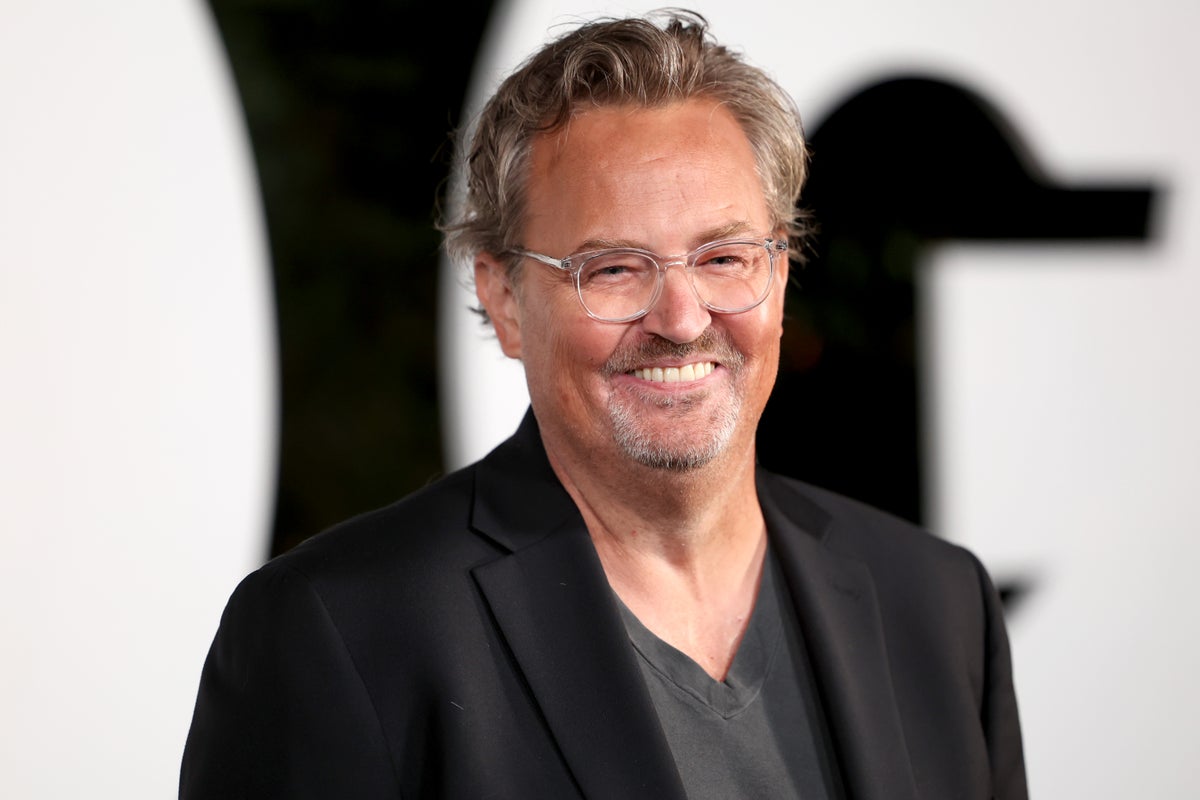
Matthew Perry's death wasn't just a tragic headline. It was a neon sign pointing to a massive, rotting problem in how celebrities access drugs. Today, the woman at the center of that supply chain, Jasveen Sangha, walks back into a Los Angeles federal courtroom for sentencing. Known as the "Ketamine Queen," Sangha isn't just another street dealer. She operated a high-end "drug emporium" from her North Hollywood home, catering to a wealthy clientele that included the Friends star.
The federal government wants her behind bars for 15 years. Her lawyers? They’re asking for time served, claiming she’s a changed woman who spent her time in jail leading Narcotics Anonymous meetings. It’s a bold strategy, but the facts of the case are cold and incredibly hard to ignore. Meanwhile, you can explore other developments here: The Federal Trap Catching the New Guard of Southern Rap.
The Business of the Ketamine Queen
Sangha didn't just stumble into this. According to federal prosecutors, she spent years building a reputation for selling high-grade ketamine and meth. When Perry’s assistant, Kenneth Iwamasa, needed more of the drug than Perry’s doctors would provide, he didn't go to a back alley. He went to Sangha.
Between October 13 and October 24, 2023, Sangha allegedly sold about 50 vials of ketamine to Perry’s camp for $11,000. That’s a massive markup for a drug that's relatively cheap in a clinical setting. This wasn't healthcare; it was a shakedown of an addict in crisis. To see the complete picture, check out the recent report by The Hollywood Reporter.
What makes Sangha’s case particularly damning is her history. She didn't just sell to Perry. In 2019, she sold ketamine to a man named Cody McLaury. He died hours later. When McLaury’s family messaged her to tell her the drugs killed him, prosecutors say she did a Google search for "can ketamine cause death?" and then just... kept selling.
A Network of Enablers
While Sangha is the focus today, she was the final link in a chain of five people who have all pleaded guilty. This case pulled the curtain back on how a celebrity's orbit can become a lethal trap.
- Dr. Salvador Plasencia: Known as "Dr. P," he was a licensed physician who saw Perry as a cash cow. He once texted another doctor, "I wonder how much this moron will pay." He was recently sentenced to 2.5 years.
- Dr. Mark Chavez: He operated a ketamine clinic and used fraudulent prescriptions to funnel the drug to Plasencia.
- Kenneth Iwamasa: Perry’s live-in assistant. He had no medical training but was the one who actually injected the actor with the fatal dose on the day he died.
- Erik Fleming: A middleman and "friend" who connected the assistant with Sangha.
Judge Sherilyn Peace Garnett has a tough job today. She’s already handed out a relatively light sentence to Dr. Plasencia. Now, she has to decide if the "Queen" deserves a decade and a half or if the defense's "rehabilitation" narrative holds water.
Why 15 Years is the Magic Number
The prosecution’s 15-year request isn't random. They want to send a message. Hollywood has a long history of "doctor shopping" and high-end dealers who operate with a sense of immunity because their clients are famous. By going after Sangha with the "distribution resulting in death" charge, they’re trying to break the cycle.
If Sangha gets off with a slap on the wrist, it tells every other boutique dealer in the Hollywood Hills that the risk is worth the reward. But if she gets the full 15, it changes the math for anyone thinking about profiting off an addict’s desperation.
The Defense’s Hail Mary
Mark Geragos, Sangha’s high-profile attorney, is leaning hard into the "model inmate" angle. They’ve filed memos detailing her 24 months of sobriety and her work helping other women in jail. They argue that Sangha didn't act out of malice but was caught up in a lifestyle she didn't fully understand.
Honestly? That’s a hard sell when you realize she’s a dual U.S.-U.K. citizen with a master's degree from a top business school. She wasn't some desperate kid on a corner. She was an educated entrepreneur who chose to run a drug house because it was profitable and glamorous.
The Reality of Ketamine in 2026
We have to talk about the drug itself. Ketamine is currently having a "moment" as a breakthrough treatment for depression and PTSD. When used in a clinic with a doctor, it’s a lifesaver. But in the hands of an untrained assistant in a backyard hot tub? It’s a death sentence.
The medical examiner was clear: Perry died from the "acute effects of ketamine." It caused his heart to race and his breathing to slow until he lost consciousness and drowned. This wasn't a "legal treatment" gone wrong. It was a massive overdose of a powerful anesthetic.
What Happens Next
The sentencing hearing is happening right now in Los Angeles. Members of Matthew Perry’s family are expected to give victim impact statements. They’ve been vocal about their desire for justice, not just for Matthew, but to prevent this from happening to the next star who hits a rough patch.
If you’re following this case, don't just look at the years. Look at the precedent. This isn't just about one woman; it’s about whether the legal system will finally hold the "suppliers to the stars" accountable for the lives they help destroy.
Your next steps for staying informed:
- Watch for the official sentencing order from Judge Garnett, likely coming later today.
- Look for the upcoming sentencing dates for Kenneth Iwamasa and Erik Fleming later this month.
- Check local LA court dockets for any civil lawsuits filed by the Perry or McLaury families, which often follow these criminal convictions.