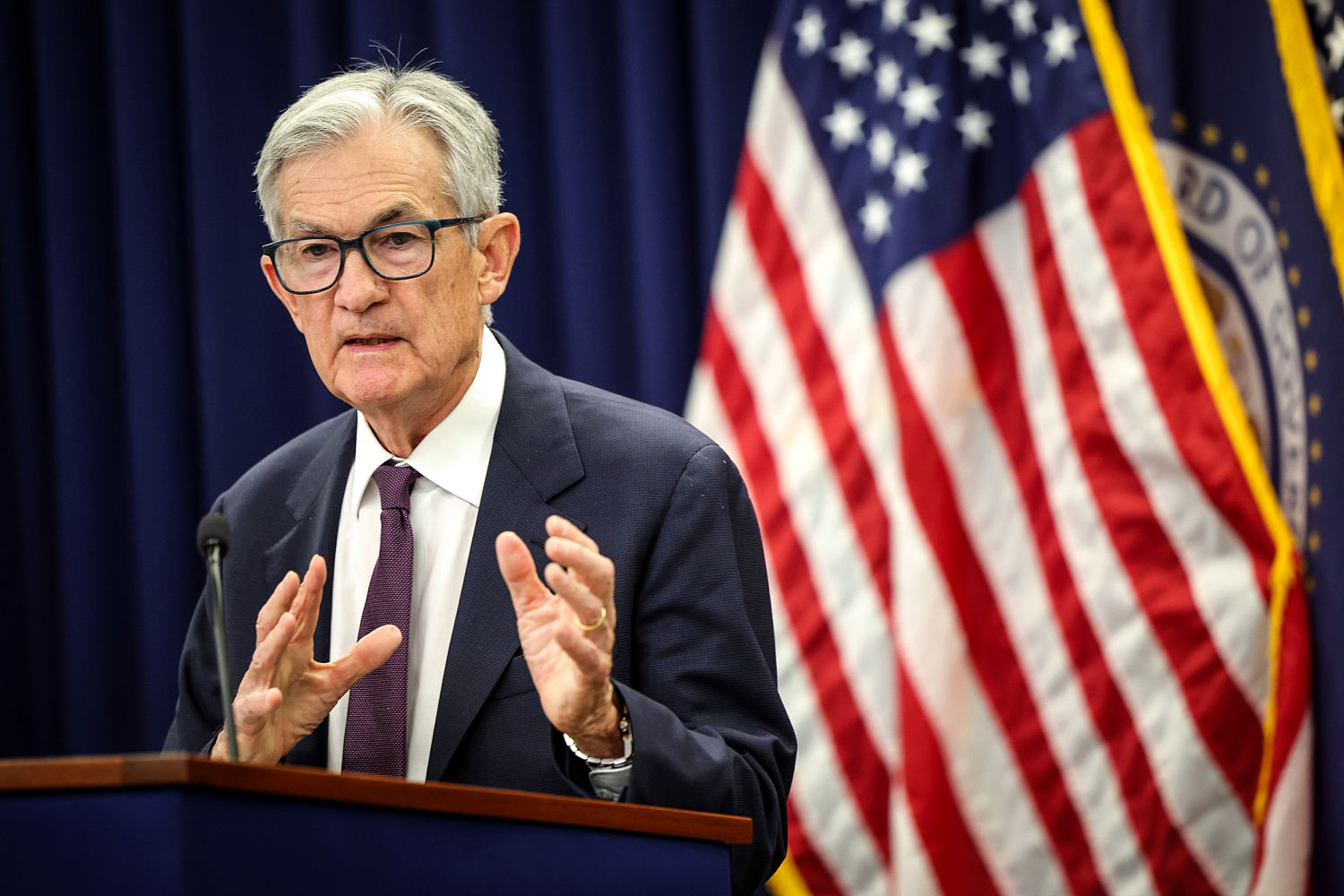
The headlines are obsessed with a "standoff." They want you to believe Jerome Powell is a martyr for institutional independence, hunkered down in the Eccles Building while the DOJ circles. They’re wrong.
The media narrative suggests Powell is staying out of spite or a sense of duty to protect the Federal Reserve from political interference. That’s the lazy consensus. It’s a fairy tale for people who still believe the Fed is a neutral referee in a striped shirt. In reality, Powell’s refusal to budge until the DOJ probe closes is the most politically convenient outcome for the very administration that claims to want him gone.
If you think this is a battle of wills, you aren't paying attention to the mechanics of the Treasury. This is a mutually beneficial stalemate.
The Myth of the Independent Martyr
The Fed hasn’t been "independent" in any meaningful sense since the 1951 Treasury-Fed Accord, and even that is a stretch. Powell knows this. The markets know this. By signaling that he has "no intention of leaving" during a DOJ probe, Powell isn’t just defending his desk; he is providing the administration with a perfect scapegoat for any economic turbulence in 2026.
If the White House actually wanted Powell out today, they wouldn't use a DOJ probe as a nudge. They would use the "for cause" removal power, which, while legally murky, would trigger a constitutional crisis that would keep the Fed paralyzed for years. They aren't doing that. Why? Because a sitting Fed Chair under investigation is a neutered Fed Chair.
A Chair who is fighting for his professional life is a Chair who will not—cannot—surprise the markets with aggressive, unpopular tightening. He is effectively a lame duck with a printer. He’s safe. He’s predictable. And for a White House looking to juice growth while blaming "holdover bureaucrats" for inflation, he is the perfect target.
The DOJ Probe is a Feature Not a Bug
Let’s dismantle the idea that a DOJ investigation is a barrier to resignation. In the private sector, an executive under the shadow of a federal probe is out the door before the first subpoena hits the server. In DC, it’s a shield.
By staying put, Powell forces the Department of Justice to either "put up or shut up." If they clear him, he wins. If they drag it out, he stays. It creates a circular logic where the investigation itself justifies the tenure.
But here is the nuance the "experts" missed: The probe provides a buffer against the "Shadow Fed."
There has been constant chatter about the administration appointing a "Shadow Fed Chair" to signal policy changes before the actual FOMC meets. This is a clown-show strategy. You don't need a shadow chair when the actual Chair is pinned to his seat by a legal technicality. Powell’s presence prevents the administration from having to actually take ownership of monetary policy. They get to keep the benefits of low rates (if Powell cuts) while maintaining the ability to bash him on social media if things go south.
Why Investors are Asking the Wrong Question
The "People Also Ask" sections of the internet are currently flooded with: "Will the Fed raise rates if Powell is fired?"
That’s a fundamentally flawed premise. The question isn't whether Powell stays; it’s who actually runs the desk when the Chair is legally compromised.
When a Fed Chair is under the microscope, the power shifts to the staff and the regional bank presidents. We are moving toward a period of De Facto Decentralization.
- The Staff Dominance: Historically, the Fed’s Board of Governors relies heavily on the "Blue Book" and "Green Book" projections created by career economists. When the Chair is distracted by legal counsel, these careerists run the show.
- The Consensus Trap: Powell’s greatest skill has been building a "consensus" vote. With him weakened, that consensus fractures. Expect more dissents from the hawks and the doves alike.
I’ve watched markets ignore these internal shifts for decades. They focus on the man at the podium. They should be focusing on the internal memos from the Open Market Desk at the New York Fed. That’s where the real policy is being made while the lawyers argue in DC.
The High Cost of the Standoff
Is there a downside to my contrarian view? Absolutely. The cost is Risk Premium.
Usually, the Fed provides a "put"—a guarantee that they will step in to save the markets. A Fed Chair in a legal cage match can’t provide that same level of assurance. Investors are paying a "uncertainty tax" right now, and it’s reflected in the yield curve.
- Short-term volatility: Every DOJ leak becomes a macro event.
- Credit Spread Widening: Corporate debt becomes more expensive because nobody knows who will be signing the checks in six months.
- International Flight: Central banks in London, Frankfurt, and Tokyo are looking at Washington and seeing a banana republic. They aren't selling Treasuries yet, but they are diversifying into gold at record rates.
This isn't a "game-changer" (to use a term I despise). It’s a slow-motion car crash that everyone is calling a "parade."
Stop Waiting for the Resignation
If you are waiting for a "Breaking News" alert that Powell has stepped down to "spend more time with his family," you are going to be waiting a long time. He can’t leave. If he leaves now, he loses his legal leverage and his legacy. He becomes the guy who ran away.
But don't mistake his staying for a sign of strength. It is a sign of a system that has become so intertwined with the executive branch that it can no longer distinguish between a legal defense and a monetary policy.
The reality is that the Fed is now a subsidiary of the political cycle. Powell’s "intent to stay" is just the final confirmation that the wall between the Treasury and the central bank hasn't just been breached—it’s been demolished.
Stop looking for "independence" in a building that is currently being used as a legal bunker. The era of the all-powerful Fed Chair is over. We are now in the era of the Procedural Fed, where policy is dictated by legal filings and the timing of grand jury testimony rather than the Consumer Price Index.
If the DOJ probe lasts until 2028, Powell will be there until 2028. Not because he’s a hero, but because in Washington, being a "person of interest" is the ultimate form of job security.
Move your capital accordingly. Money doesn't care about the DOJ, and by the time this probe closes, the dollar will have already felt the impact of a Chair who was too busy defending his past to manage the future.
The standoff isn't a crisis. It's an eclipse. It's blocking out the fact that the Fed has already lost the only thing that actually matters: the ability to act without looking over its shoulder.