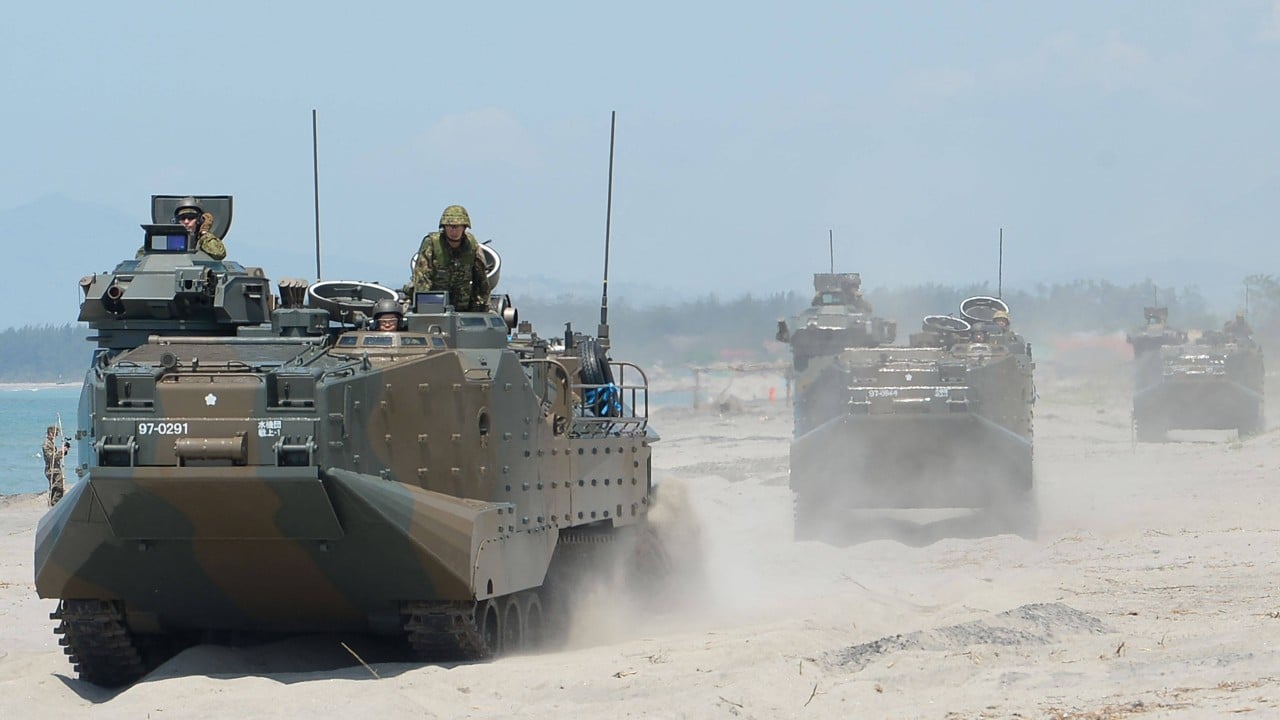
Japan's military hasn't had a combat presence in the Philippines since the smoke cleared from Manila’s ruins in 1945. That's changing right now. While headlines focus on "shifting defense postures," the reality is much more visceral. We’re witnessing the dismantling of an 81-year-old taboo. This isn't just about training exercises or "interoperability." It’s about two nations with a violent shared history deciding that their future survival depends on standing together against a new, common threat.
The Reciprocal Access Agreement (RAA) signed between Manila and Tokyo is the legal engine driving this change. It officially went into effect in late 2025, and by March 2026, we’re seeing the first major wave of Japanese Self-Defense Force (JSDF) troops arriving for Exercise Balikatan. If you think this is just another routine drill, you’re missing the bigger picture.
The first island chain defense is getting a Japanese backbone
For decades, the security of the Philippines was an American problem. Manila relied on the 1951 Mutual Defense Treaty while Tokyo stayed tucked under its pacifist constitution. That era is dead. China’s aggressive "gray-zone" tactics—harrassing Filipino fishermen and building militarized islands—have forced a radical rethink.
Japan is no longer just a source of infrastructure loans and used patrol boats. They’re now a frontline partner. Under the RAA, Japanese troops can move in and out of the Philippines with nearly the same ease as U.S. forces.
- Logistical support: The January 2026 Access and Cross-Servicing Agreement (ACSA) means the two militaries can now share fuel, food, and ammunition without a mountain of red tape.
- Live-fire training: Japanese soldiers aren't just observing; they're participating in combat-realistic drills on Philippine soil.
- Intelligence sharing: A new pact is currently being hammered out to allow the two nations to share high-level classified military data.
This isn't a "quasi-alliance" anymore. It's a functional defense network designed to bottle up the People’s Liberation Army (PLA) within the First Island Chain. If a conflict breaks out over Taiwan or the South China Sea, the coordination between Tokyo and Manila will be what determines who controls the sea lanes.
Overcoming the ghosts of 1941
You can't talk about Japanese boots on Philippine soil without acknowledging the elephant in the room. The Japanese occupation of the 1940s was brutal. The Bataan Death March and the destruction of Manila left scars that haven't fully healed. Some domestic groups in the Philippines, like the Makabayan bloc and organizations representing "comfort women," are understandably furious. They see this as "historical amnesia."
But the Marcos administration is betting that the threat of losing territory in the West Philippine Sea outweighs the trauma of the past. Honestly, it’s a cold, pragmatic calculation. Manila knows its own navy is outmatched. They need Japan’s high-tech sensors, radar systems, and naval expertise.
Japan is also playing it smart. They aren't coming in with a heavy hand. Tokyo is framing its military presence through "Official Security Assistance" (OSA). They’ve already funneled billions of yen into coastal radar systems and rigid-hulled inflatable boats for the Philippine Navy. They’re making themselves indispensable before the first combat boots even hit the ground.
Why Subic Bay is the new center of the universe
Keep your eye on Subic Bay. In early 2026, a trilateral effort between the U.S., Japan, and the Philippines began transforming this former American naval base into a regional maintenance hub.
This is huge. If a Japanese destroyer or a Philippine frigate takes damage in a skirmish, they won't have to limp back to Sasebo or Guam. They can get repaired right there. It creates a persistent, "sea denial" posture across the Luzon Strait. This isn't just a defensive move; it's a clear message to Beijing that the "hub-and-spoke" model of U.S. alliances has evolved into a web that’s much harder to break.
The risks of the "New Cold War"
Let’s be real: this escalation doesn't come without a cost. China views the RAA as a direct attempt at encirclement. We’re likely to see more "swarming" of Philippine reefs by the Chinese maritime militia and perhaps more aggressive maneuvers against Japanese vessels in the East China Sea.
There's also the sovereignty question. Critics argue the RAA gives Japanese troops too much leeway—exemptions from visas, the right to carry weapons, and limited legal jurisdiction for the Philippines if things go wrong. It’s a mirrors-and-smoke version of the U.S. Visiting Forces Agreement (VFA), and it puts Manila in a position where it's increasingly dependent on foreign powers for its own security.
What happens next
If you're following this, don't just look at the photo ops. Watch the infrastructure.
- Monitor EDCA sites: Look for Japanese funding flowing into the nine Enhanced Defense Cooperation Agreement sites in the Philippines. This is where the real "integrated deterrence" happens.
- Follow the French: Negotiations for a Visiting Forces Agreement with France are nearly done. The Philippines is rapidly building a "minilateral" network that includes Japan, Australia, and potentially Europe.
- Watch the 2026 anniversaries: This year marks 70 years of Japan-Philippines diplomatic ties. Expect more high-level summits that will likely result in even more hardware transfers, specifically in electronic warfare and anti-ship missile batteries.
The era of the Philippines acting as a passive observer in its own backyard is over. By inviting Japanese combat troops back, Manila has fundamentally changed the math for anyone looking to upend the status quo in the Indo-Pacific. It’s a high-stakes gamble, but in 2026, it’s the only one they’ve got left.
Start paying attention to the joint patrols in the Luzon Strait—that’s where you’ll see if this "significant shift" actually holds water or if it’s just more diplomatic theater.