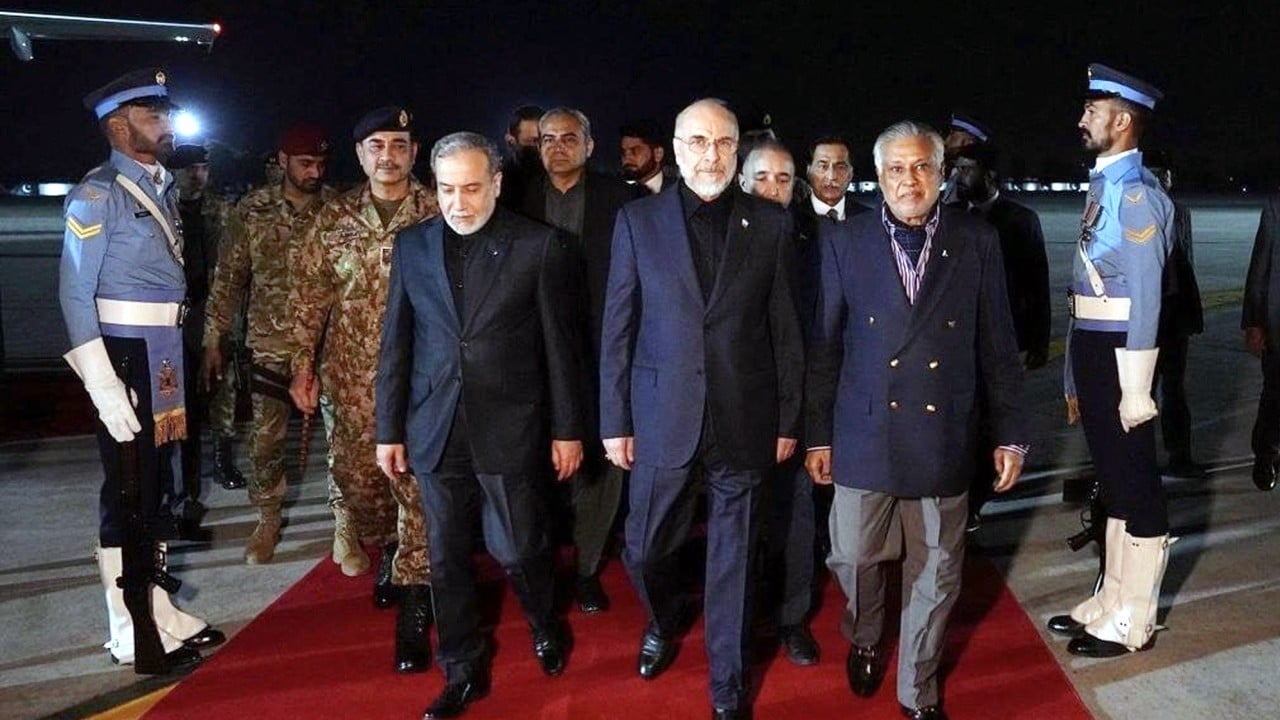
The United States and Iran are set to begin direct, face-to-face negotiations in Islamabad today, marking the first formal diplomatic contact since "Operation Epic Fury" shattered the regional status quo six weeks ago. This high-stakes meeting in the Pakistani capital aims to transform a fragile two-week truce into a permanent settlement, yet the underlying reality is far more volatile than the official communiqués suggest. While the primary objective is reopening the Strait of Hormuz to global energy traffic, the session is essentially a desperate attempt to prevent a localized conflict from becoming a permanent regional collapse.
Decades of "strategic patience" ended on February 28, 2026, when a combined U.S. and Israeli air campaign targeted Iranian nuclear facilities, missile production sites, and naval assets. The fallout was immediate: a global energy shock, the death of Supreme Leader Ali Khamenei, and a retaliatory campaign by Tehran that targeted U.S. bases and Gulf infrastructure. Now, with the Iranian economy in a state of hyper-inflationary freefall and Washington wary of a "forever war" in a new theater, both sides have been forced to the table by the sheer weight of mutual exhaustion.
The Leverage of the Blockade
Tehran holds one primary card in Islamabad: the continued closure of the Strait of Hormuz. Despite the degradation of the Iranian Navy, the use of "smart" sea mines and shore-based mobile battery units has kept commercial shipping at a standstill. The U.S. delegation, led by Vice President JD Vance and senior envoy Steve Witkoff, arrives with a clear ultimatum from the White House. If the Strait is not fully operational and cleared of mines by early next week, the ceasefire ends, and U.S. strikes will shift from military targets to Iran's critical energy and civilian infrastructure.
This is not a traditional diplomatic exchange. It is a demand for capitulation masked as a negotiation. The U.S. is seeking the total cessation of uranium enrichment and the dismantling of the ballistic missile program that survived the initial strikes. For the Iranian delegation, led by parliamentary speaker Mohammad Bagher Ghalibaf, these demands represent an existential threat. Ghalibaf has already signaled that while Tehran has "good intentions," it views the U.S. as an untrustworthy partner that broke previous nuclear agreements.
A Power Vacuum in Tehran
The most significant factor looming over the Islamabad talks is the internal instability of the Iranian regime. The death of Khamenei during the initial strikes created a fractured leadership structure where the Islamic Revolutionary Guard Corps (IRGC) and "pragmatic" conservative factions are locked in a silent struggle for control.
- The IRGC hardliners believe that any concession in Islamabad will embolden domestic protesters, who have been active since late 2025.
- The Technocrats argue that without lifting sanctions and unfreezing assets, the regime will collapse from within before the next U.S. bomb falls.
- The Proxies in Lebanon and Yemen are increasingly acting independently as Tehran’s command and control structures degrade under electronic warfare pressure.
Washington is betting that this internal pressure will force Ghalibaf to accept terms that were unthinkable six months ago. However, history suggests that cornered regimes often choose escalation over humiliation. If the U.S. demands what the IRGC considers a "total surrender," the talks will likely collapse before the first weekend is over.
The Shadow of Regional Realignment
While the U.S. and Iran sit across from each other, the rest of the Middle East is rapidly recalibrating. The Gulf states—Bahrain, Kuwait, Qatar, and the UAE—have already sustained damage from Iranian missile barrages. Their trust in the U.S. security umbrella is at an all-time low, leading to a quiet, parallel diplomacy where Riyadh and Abu Dhabi are seeking their own assurances from Tehran.
There is also the "Israel factor." Prime Minister Benjamin Netanyahu has remained vocal that any deal which leaves Iran with residual enrichment capabilities is a failure. Israeli officials have hinted that they are not bound by a U.S.-led ceasefire if they perceive a lingering threat. This creates a scenario where the Islamabad talks could succeed on paper, only to be invalidated by a kinetic strike from a third party within hours of an announcement.
The Limits of "Epic Fury"
The military campaign succeeded in destroying physical infrastructure, but it failed to eliminate the "knowledge" of the Iranian nuclear program. Intelligence reports suggest that while the primary facilities at Natanz and Fordow are in ruins, the fissile material remains in-country, hidden in hardened, undisclosed locations.
The U.S. military has achieved what it calls "military objectives," but the political objective—a compliant, non-nuclear Iran—remains elusive. The 1,000-hour internet blackout in Iran hasn't stopped the flow of dissent, nor has it stopped the IRGC from coordinating its remaining assets. The Islamabad talks are the first real test of whether "overwhelming pressure" actually produces a diplomatic breakthrough or simply a more dangerous, decentralized enemy.
The clock is ticking toward the April 15 deadline set by the White House. If the negotiators in Islamabad cannot find a way to reconcile the U.S. demand for a "zero-enrichment" reality with Iran’s need for regime survival, the two-week truce will be remembered as nothing more than a logistical pause before the next phase of the war.
Success in this room requires more than just a list of concessions; it requires a face-saving mechanism for a regime that has built its identity on resistance. Without that, the Islamabad gamble will fail, and the Strait of Hormuz will remain the world's most dangerous chokepoint.