The headlines are buzzing with reports of Iranian missiles flying toward Diego Garcia, a remote atoll in the Indian Ocean that serves as a massive joint U.S.-U.K. military hub. If you're looking for the short version, here it is: Iran just proved its reach is nearly double what it publicly claimed. Two intermediate-range ballistic missiles (IRBMs) were fired at the base. One failed mid-flight, and the other was chased down by a U.S. Navy SM-3 interceptor. Neither hit the target, but the message was received loud and clear.
This wasn't just another skirmish in the Middle East. It was a 4,000-kilometer sprint that shifted the map of the current conflict. For years, Tehran insisted its missile range was capped at 2,000 kilometers. This strike attempt at Diego Garcia, located deep in the central Indian Ocean, suggests that "limit" was a polite fiction.
The Secretive Giant in the Indian Ocean
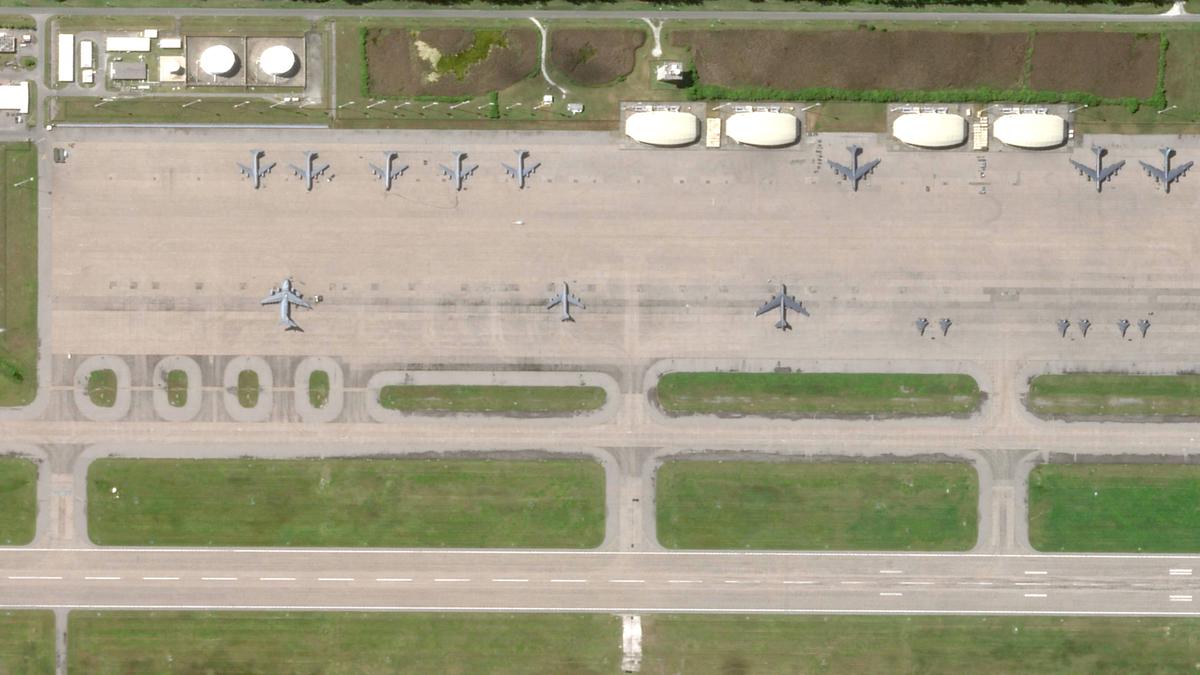
To understand why Iran would aim for a tiny speck of coral thousands of miles away, you have to understand what Diego Garcia actually is. It’s not just a base; it’s the "unsinkable aircraft carrier" for Western power in the region.
- Strategic Reach: It’s the primary launchpad for long-range B-52, B-1, and B-2 bombers.
- Naval Power: It hosts a massive lagoon used for pre-positioning ships and servicing nuclear submarines.
- The "Unreachable" Hub: Because it's so isolated—about 1,600 kilometers from the nearest landmass—it was long considered safe from everything except perhaps a Chinese long-range strike.
By targeting this specific site, Iran isn't just lash out. It's telling the U.S. and the U.K. that their "safe" staging grounds are now within the bullseye. The timing matters too. This happened right after the U.K. gave the green light for the U.S. to use British bases for "offensive" operations against Iranian targets. Iran didn't wait to see what those operations looked like; they struck the base that makes those operations possible.
Breaking the 2000 Kilometer Myth
I've followed Iranian missile development for a long time, and the 2,000-kilometer cap was always a point of pride and a diplomatic tool for Tehran. They used it to reassure Europe that they weren't building ICBMs. Well, that's over.
Diego Garcia is roughly 4,000 kilometers from Iranian soil. To get a missile there, you're talking about technology that bridges the gap between regional defense and global threat. This marks the first operational use of IRBMs by Iran. It’s a massive technical leap that likely has intelligence agencies in London and D.C. scrambling to re-evaluate their defense grids.
If Iran can hit Diego Garcia, they can hit deep into Europe. They can hit almost anywhere in the Indian Ocean. They've effectively expanded the theater of war from a regional border dispute into a multi-continental security crisis.
The Hardware Behind the Attack
The reports from the Wall Street Journal and other officials suggest a mix of failure and high-tech defense. One missile simply broke apart—a common "teething" issue with newer, long-range systems pushed to their limit.
The second missile was met by an SM-3 interceptor fired from a U.S. warship. The SM-3 is a beast. It’s designed to intercept ballistic missiles in the midcourse phase, often literally in space. While officials aren't 100% confirming if the hit was clean, the fact that the base remains untouched tells you the defense worked.
But defense is a losing man's game if the volleys keep coming. You can’t miss once. The attacker only has to get lucky.
What This Means for Global Energy
The background of this strike is a brutal "tit-for-tat" over energy infrastructure. We've seen Israeli strikes on Iran’s South Pars gas field and Iranian retaliation against LNG plants in Qatar. This is an all-out war on the world's fuel supply.
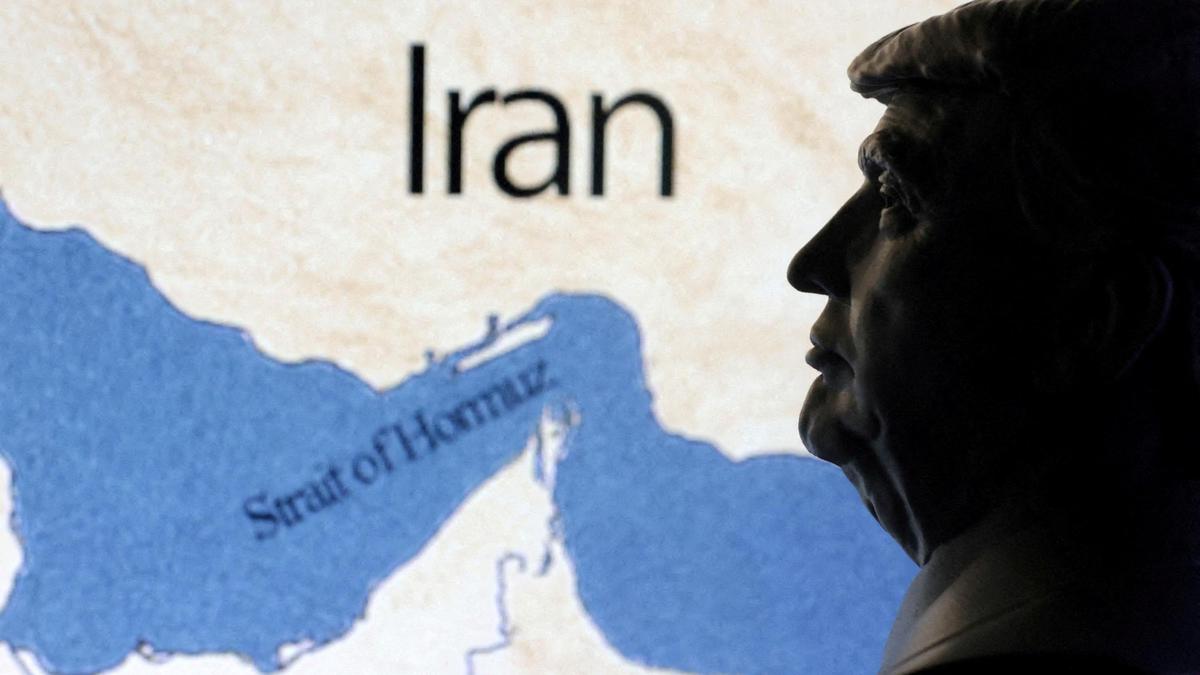
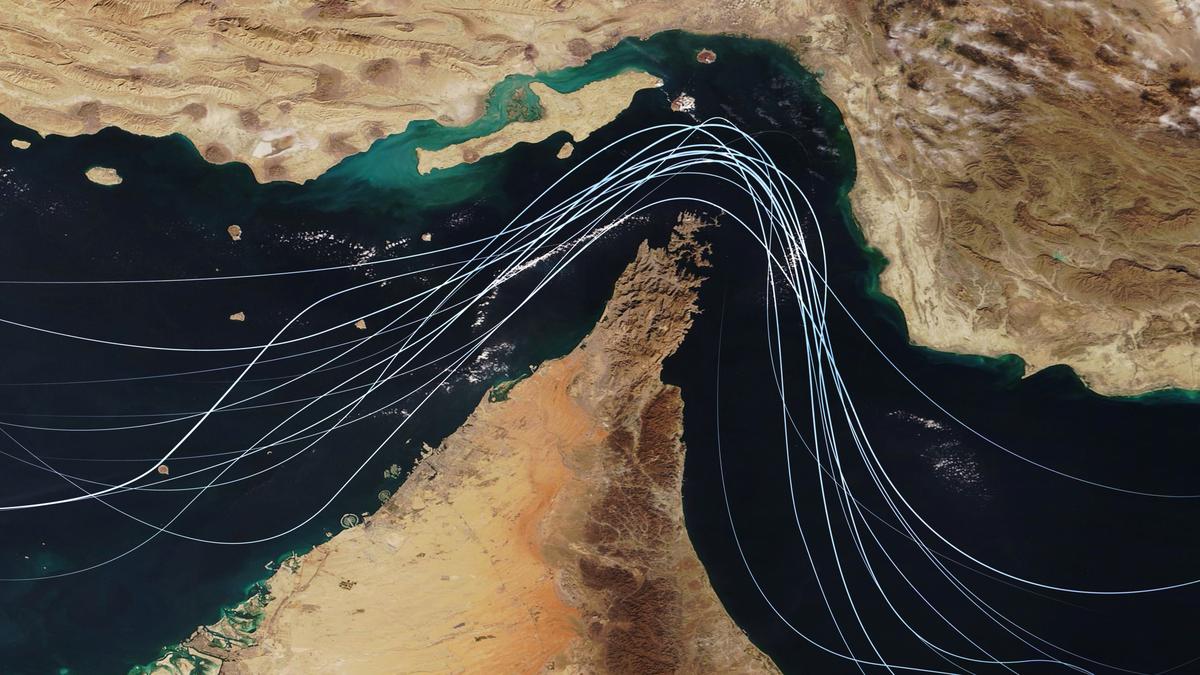
The Strait of Hormuz is effectively a ghost town right now. A fifth of the world’s oil passes through there, and with Iran showing it can strike 4,000 kilometers away, the risk premium on shipping is going to skyrocket. We aren't just talking about higher gas prices; we’re talking about a fundamental breakdown in the global supply chain for liquefied natural gas (LNG).
The Trump Factor and the Ground War Threat
Donald Trump has been vocal about wanting to "wind down" the fighting, but his actions on the ground tell a different story. The Pentagon is reportedly drawing up plans for ground deployments, and Saudi Arabia just opened the King Fahd Air Base in Taif to U.S. forces.
The U.S. is moving thousands of Marines and sailors toward the region. This isn't the behavior of a country looking for an exit. It's the behavior of a military preparing for a massive escalation.
Iran's strike on Diego Garcia is a desperate, but calculated, attempt to force the U.S. to the table by showing them the cost of a full-scale war. If Iran can threaten the very bases that the U.S. relies on for its "over the horizon" capabilities, the entire U.S. strategy in the Middle East has to be rewritten.
Reality Check on the Balance of Power
Don't buy into the idea that Iran is "decimated" just because their missiles missed this time. While Prime Minister Netanyahu claims Iran's industrial base is being wiped out, the Revolutionary Guard is still pumping out hardware. They're currently in what they call the "70th wave" of operations.
They are losing leaders—General Ali Mohammad Naini was reportedly killed in an airstrike recently—but the machinery of their missile program seems to be functioning. You don't fire IRBMs 4,000 kilometers if your factories are all in ruins.
I think we’re moving into a phase where "containment" is no longer an option. The geographical scope of this conflict has officially exploded.
If you're tracking this, watch the movement of the USS Boxer and the 11th Marine Expeditionary Unit. Their arrival in the region will likely be the signal for the next major move. You should also keep a close eye on energy markets—any further disruption to Qatari LNG will hit Europe harder than anyone else. Honestly, it’s a mess, and the "limit" on this war just disappeared along with that 2,000-kilometer cap.