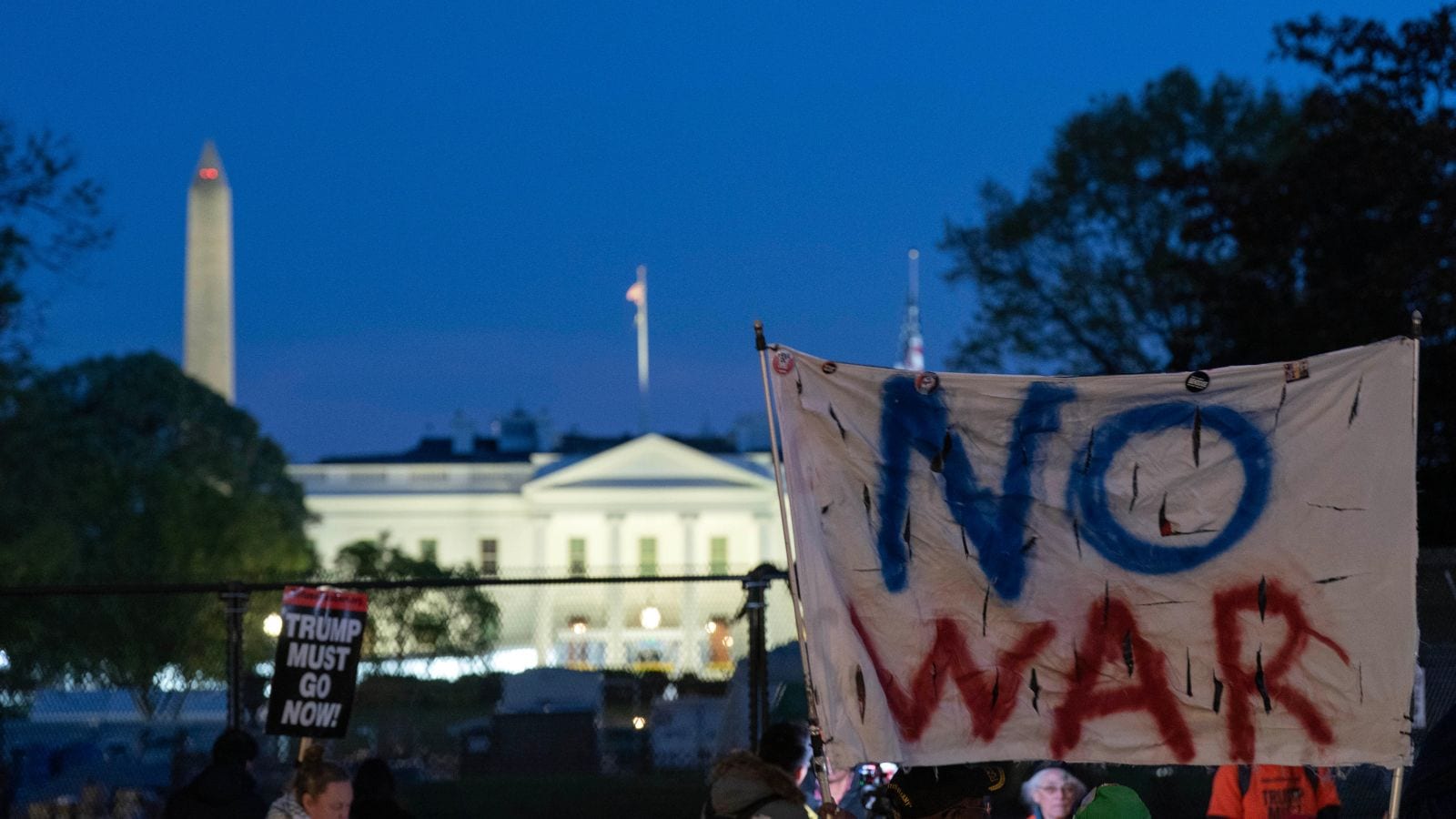
Don’t let the "workable basis" label fool you. When Donald Trump paused his 8 p.m. deadline for massive strikes on Iran this week, the world breathed a collective sigh of relief. But the 10-point plan Tehran put on the table isn't just a white flag; it's a high-stakes power play. It’s a document that attempts to rewrite the rules of the Middle East while the U.S. military is literally mid-refuel.
Tehran didn't just ask for a break from the bombs. They’ve asked for a total reset of the last two decades of American foreign policy. If you think this is a simple return to the 2015 nuclear deal, you’re missing the bigger picture. This plan covers everything from shipping fees in the world’s most vital oil artery to the complete withdrawal of U.S. boots from the region. You might also find this related story useful: Geopolitical Brinkmanship and the Mechanics of Digital Escalation in the Israel Pakistan Friction Point.
The 10 points that stopped the clock
The specifics of the Iranian proposal, delivered through Pakistani mediators, show a government that knows it’s under fire but still thinks it has leverage. After weeks of conflict that saw the death of Supreme Leader Ayatollah Ali Khamenei in February and significant damage to Iranian infrastructure, Tehran is trying to monetize the peace.
- A hard guarantee of non-aggression: No more strikes, no more "civilization will die" threats.
- Permanent control of the Strait of Hormuz: Iran wants its authority over the waterway recognized, not just tolerated.
- Nuclear enrichment rights: They aren't giving up the centrifuges. They want the world to accept their right to enrich uranium on their own soil.
- Lifting all primary sanctions: Total access to the U.S. financial system.
- Lifting all secondary sanctions: Stopping the U.S. from punishing other countries that buy Iranian oil.
- Wiping the UN Security Council slate clean: They want every single resolution against them terminated.
- Ending IAEA oversight: A demand to stop the International Atomic Energy Agency from poking around their nuclear sites.
- War reparations: This is the kicker. Tehran wants "compensation" for damages, essentially asking the U.S. to pay for the bombs it dropped.
- Total U.S. military withdrawal: They want American combat forces out of the Middle East entirely.
- Regional ceasefire: A stop to the fighting on all fronts, including Lebanon and Yemen.
The Hormuz tax and the reconstruction gamble
The most controversial part of this plan isn't actually the nuclear stuff. It’s the money. Iran is proposing a $2 million "transit fee" per ship passing through the Strait of Hormuz. Think of it as a toll road for global energy. As reported in recent articles by NPR, the effects are widespread.
Since a fifth of the world’s oil flows through that tiny gap, the math is staggering. Tehran says this money would be shared with Oman and used for "reconstruction." In reality, it’s a way for Iran to force the global economy to pay for its recovery. I’ve seen plenty of peace deals in my time, but rarely one that includes a built-in subscription model for the losers.
Critics argue this would give Iran a permanent chokehold on the global economy. If they control the gate and the price, they control the room. Trump called the plan "workable," but there’s no way the U.S. Navy is going to sit back and watch Iran collect tolls on an international waterway.
Uranium remains the ultimate sticking point
We can't ignore the nuclear elephant in the room. By April 2026, Iran is estimated to have enough 60% enriched uranium to create several warheads with just a bit more processing. Their 10-point plan demands that the U.S. "accept" this enrichment.
Trump’s response on Truth Social was characteristically blunt. He said there will be "no enrichment" and that the U.S. would essentially "dig up" the nuclear material. This creates a massive gap between the two sides. Iran views enrichment as a matter of national sovereignty; the U.S. views it as a ticking time bomb.
How do you find a middle ground when one side says "it's our right" and the other says "we're taking it away"? You don't. You negotiate until someone blinks or the two-week ceasefire expires.
Why this deal feels different than 2015
The old JCPOA was about technical limits and monitoring. This 10-point plan is about geopolitical surrender. By demanding the withdrawal of U.S. forces and the end of all UN resolutions, Iran is trying to emerge from this war as the undisputed regional power.
They are betting that the American public has no appetite for another long-term conflict and that Trump is looking for a "Big Deal" to cement his legacy. But the demands are so lopsided that it’s hard to see them as anything other than a starting bid in a very dirty auction.
What you should watch for next
The two-week window is incredibly short for a deal of this magnitude. Negotiations in Islamabad are going to be tense. Keep an eye on these three things:
- The Shipping Toll: If the U.S. allows even a modified version of the Hormuz fee, it’s a massive win for Tehran.
- The Enrichment Purity: Watch if Iran agrees to ship its 60% stockpile out of the country. If they keep it, there's no real "peace."
- Israel’s Reaction: Prime Minister Netanyahu has supported the ceasefire but pointedly noted it doesn't include Lebanon. If the fighting there continues, the whole 10-point plan could collapse before the weekend.
Don't expect a final signature anytime soon. These two weeks are about seeing who is actually ready to stop shooting. If the talks fail, the "Stone Age" threats from Washington will be back on the table faster than you can say "Strait of Hormuz."
Check the latest shipping insurance rates in the Persian Gulf. If those prices stay high, the market doesn't believe this plan is going anywhere. That’s usually the most honest indicator we have.