A blue flame flickers under a heavy steel kettle in a small apartment in South Delhi. It is a mundane, rhythmic sight. But that flame is a pulse. It is the end point of a journey that begins thousands of miles away, crossing jagged deserts and volatile waters, governed by men in quiet rooms who speak in the hushed tones of high-stakes diplomacy.
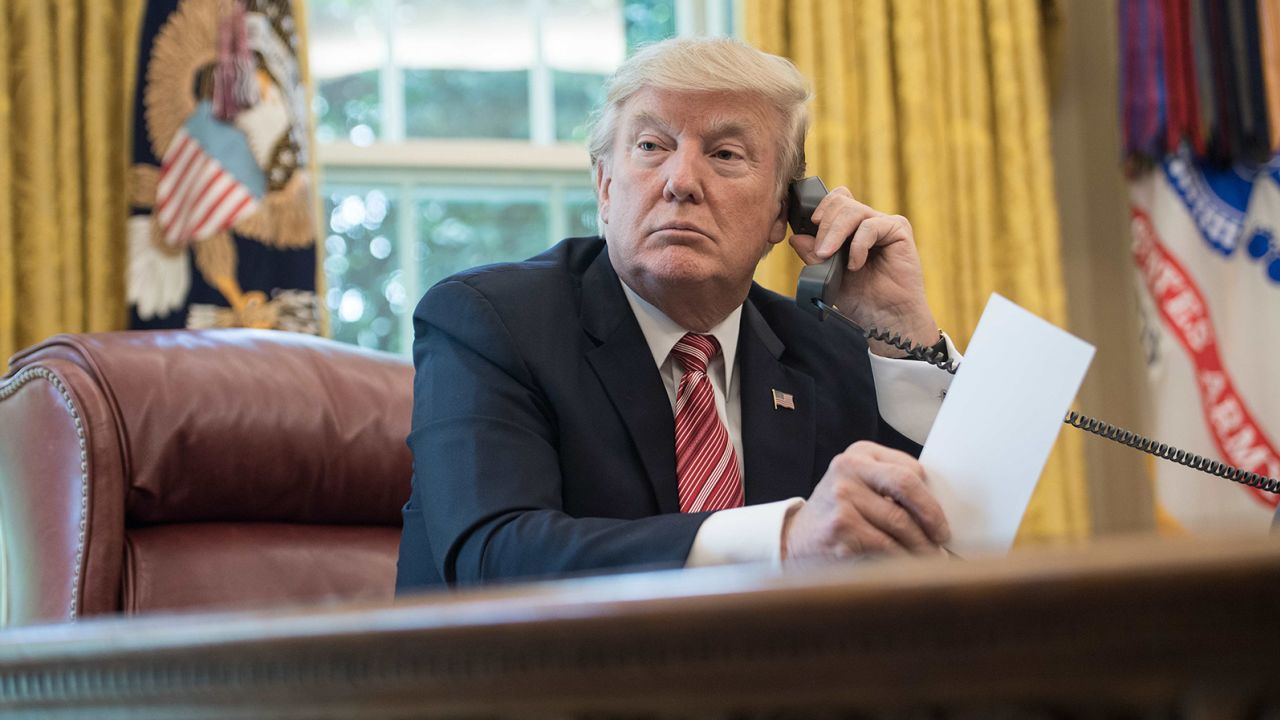
When India’s External Affairs Minister and the United States Secretary of State pick up the phone, they aren't just exchanging pleasantries or navigating the bureaucratic maze of international relations. They are bracing the walls of a global house that feels, increasingly, like it is sitting on a fault line.
The recent dialogue between these two powerhouses—one a seasoned diplomat navigating a multi-polar world, the other a fiery architect of American foreign policy—was ostensibly about "energy security" and the "West Asia conflict." Those are the clinical terms. The reality is far more visceral. It is about whether that blue flame in Delhi stays lit, and at what cost.
The Geography of Anxiety
West Asia is not just a region on a map. It is the world’s gas station, and currently, the pumps are surrounded by sparks. For India, the math is brutal and unforgiving. The country imports over 80 percent of its crude oil. Much of that flows through the Strait of Hormuz, a narrow choke point where a single miscalculation could send global markets into a tailspin.
Imagine a tanker captain navigating those waters. He is not thinking about bilateral ties or strategic autonomy. He is watching the radar, aware that his vessel carries the lifeblood of an entire subcontinent. If the conflict between regional powers escalates, that tanker becomes a target. When the Minister and the Secretary talk, they are trying to ensure that captain has a clear path.
The United States, now a net exporter of energy, views this through a different lens. For Washington, energy is a lever of influence. For New Delhi, it is a matter of survival. This fundamental difference creates a fascinating tension. The U.S. wants to squeeze certain players to enforce international order; India needs to keep its options open to keep its economy breathing.
The Shadow of the Red Sea
The conflict in West Asia has spilled over into the maritime corridors of the Red Sea. This is no longer a distant skirmish. It is a direct threat to the "just-in-time" supply chains that define our modern existence. When Houthi rebels launch drones at commercial shipping, the shockwaves are felt in the price of grain in Mumbai and the cost of electronics in New York.
Consider the hypothetical case of a small-scale manufacturer in Gujarat. He relies on components that travel through the Suez Canal. For him, "maritime security" isn't an abstract policy goal. It is the difference between fulfilling a contract and going bankrupt. He represents the "human element" that often gets lost in the dry reporting of diplomatic cables.
The conversation between the EAM and the Secretary of State is a recognition that the old safeguards are failing. The ocean, once a global common, is becoming a chessboard. To protect these trade routes, India has deployed its own naval assets, signaling that it is no longer content to be a passive observer of its own destiny.
The Great Balancing Act
There is a specific kind of art to Indian diplomacy. It is the art of being everywhere without being tethered anywhere. The world calls it strategic autonomy. In practice, it looks like a high-wire act performed during a hurricane.
India must maintain its deep, historical ties with Middle Eastern nations—ties built on the backs of millions of Indian workers who send remittances home—while simultaneously deepening its "Comprehensive Global Strategic Partnership" with the United States. It is a grueling, thankless task.
On one hand, you have the American push for a unified front against perceived aggressors. On the other, you have India’s pragmatic need for affordable Russian oil and Iranian transit routes. The Secretary of State, known for a more hawkish stance, represents a Washington that is increasingly impatient with neutrality. The EAM, however, speaks for a nation that remembers the sting of colonial interference and guards its sovereignty with a jealous intensity.
The Digital Backbone of Diplomacy
We often think of energy as oil and gas. But in the 21st century, energy security is inextricably linked to the technology that manages it. The grid is digital. The pipelines are monitored by AI. The shipping lanes are governed by satellite data.
This brings a third player into the room: the tech giants. The infrastructure of the future is being built on semiconductors and subsea cables. When these two leaders discuss cooperation, they are also talking about the "iCET"—the Initiative on Critical and Emerging Technology.
They are deciding who builds the brain of the new global economy. Will it be an open, democratic system, or one controlled by an increasingly assertive East? The stakes are nothing less than the digital sovereignty of the next century. If the energy supply is the blood, this technology is the nervous system.
The Cost of a Misstep
What happens if these talks fail? It isn't just a "dip in bilateral relations."
A failure to coordinate in West Asia leads to a vacuum. Vacuums are filled by extremists and opportunists. For the average person, this manifests as inflation. It manifests as the sudden, sharp rise in the price of a bus ticket or a liter of milk. It manifests as a loss of confidence in the future.
The vulnerability is shared. The U.S. might be energy independent, but its economy is not immune to a global recession triggered by a Middle Eastern conflagration. We are all connected by the same fragile threads of commerce and energy.
The Minister and the Secretary know this. Their dialogue is a series of trade-offs. You give us support on maritime security; we provide a stable market for your tech. You help us navigate the complexities of regional rivalries; we ensure the flow of energy remains uninterrupted.
The Quiet Room
Behind the headlines of "energy security" lies a deeper, more human story of interdependence. We live in an era where a drone strike in a distant desert can change the life of a schoolteacher in a rural village by making her commute unaffordable.
We are not spectators in this diplomatic drama. We are the stakeholders.
The conversation between these two men is a desperate attempt to maintain a semblance of order in a world that is rapidly decentralizing. They are trying to build a bridge across a chasm that grows wider with every passing day of conflict.
As the sun sets over the Potomac and rises over the Yamuna, the work continues. It is a relentless, grinding process of alignment. There are no easy victories here. There are only mitigated risks and temporary stabilities.
The kettle in that Delhi kitchen whistles. The tea is made. The flame is turned off. For today, the system held. The invisible threads remained intact. But in the corridors of power, the phones are already ringing again, because the balance is never permanent; it is something that must be fought for, minute by minute, in the quiet, high-stakes language of the world’s most important rooms.