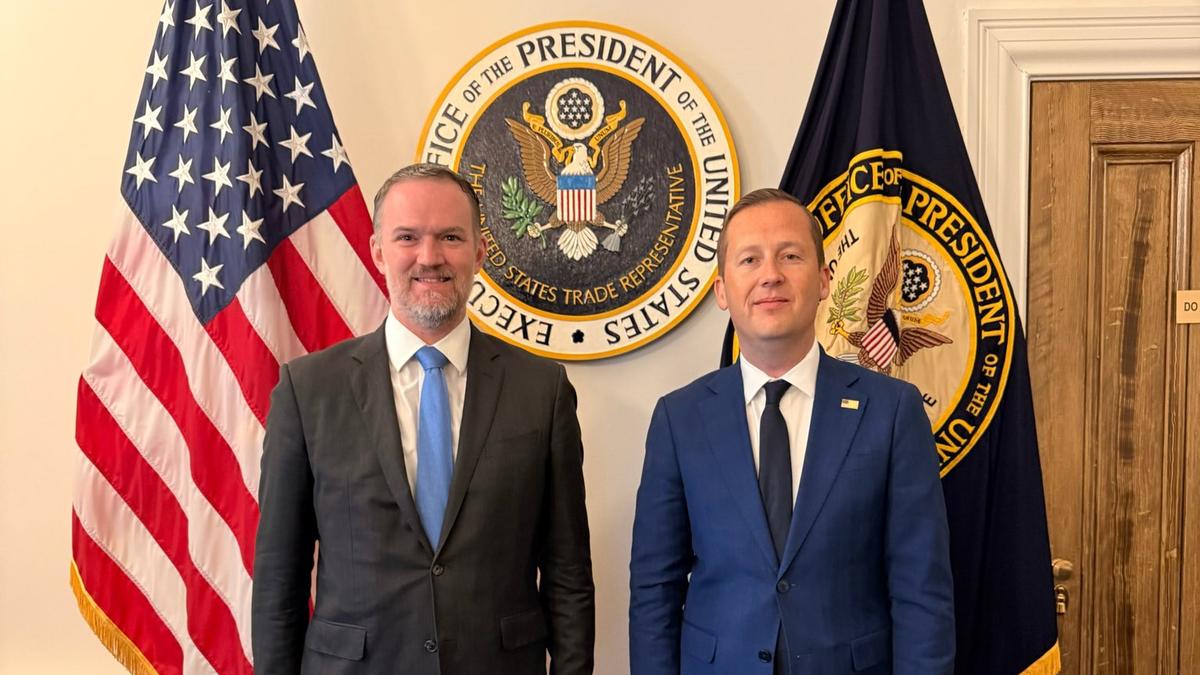
The long-stalled trade dance between New Delhi and Washington is picking up speed, and it’s about time. U.S. Ambassador to India Sergio Gor just confirmed that an Indian trade delegation is heading to Washington later this month. This isn't just another routine diplomatic meet-and-greet. It’s a push to ink a deal that has been floating in the "almost there" phase since February 2026.
If you’ve been following the headlines, you know the stakes. We’re looking at a target of $500 billion in bilateral trade. That’s a massive jump from where we stand today. Gor met with U.S. Trade Representative Jamieson Greer recently to lay the groundwork, focusing on Donald Trump’s trade priorities for South Asia. The vibe? Productive, fast-paced, and strictly focused on reciprocity.
The 18 Percent Target and Why It Matters
Let’s get into the weeds of what’s actually on the table. The framework announced earlier this year is built on a pretty radical shift in tariffs. For years, Indian goods faced U.S. tariffs that could climb as high as 50%. This new deal aims to slash that to a flat 18%.
For Indian exporters, this is the break they’ve been waiting for. But it isn't a one-way street. The U.S. expects India to pony up $500 billion over the next five years. Most of that cash will go toward:
- U.S. energy products (think LNG and crude).
- Aircraft and aerospace parts.
- Advanced technology and metals.
It’s a classic "buy American" play that fits the current administration’s playbook. India gets better market access for its textiles and pharmaceuticals, and the U.S. gets a guaranteed customer for its industrial output.
The Oil Elephant in the Room
One of the stickiest parts of these negotiations involves Russia. The White House fact sheets have been clear: they want India to stop buying Russian oil. Given the geopolitical mess with Iran and the 14-day ceasefire currently in play, the U.S. has been "allowing" some Russian barrels to flow to India, provided they don't give Moscow a financial edge.
Honestly, this is where things get complicated. India has spent the last two years balancing its energy needs with Western pressure. The upcoming Washington visit will likely see some hard bargaining on this front. If India wants those 18% tariffs, they’ll have to show they’re serious about pivoting away from Russian energy.
Who is Moving the Needle
While Sergio Gor is the one making the announcements, the players on the ground are changing. Foreign Secretary Vikram Misri has been in D.C. for a three-day stint, prepping the field for the delegation.
Interestingly, Finance Minister Nirmala Sitharaman is sitting this trip out. She’s tied up in Parliament with the bill for 33% women’s reservation in legislative bodies. Her absence doesn't mean the deal is downgraded, but it does mean the technocrats and commerce officials will be doing the heavy lifting this time around.
The launch of the India-US Trade Facilitation Portal by Misri right before this announcement is a tactical move. It’s a digital bridge designed to cut through the red tape that usually kills these deals before they start.
Why This Trip Is Different
Most trade talks die in the "discussion" phase. This one feels different because the timeline is compressed. We’re seeing a push for supply chain resilience that wasn't there two years ago. The U.S. wants to de-risk from China, and India wants to be the primary alternative.
You’re looking at a deal that covers:
- Rigorous rules of origin: Ensuring products aren't just being funneled through India from elsewhere.
- Non-tariff barriers: Tackling the "soft" rules that often block Indian mangoes or American medical devices.
- Preferential access: Immediate boosts for specific sectors like electronics and green energy.
What You Should Watch For
Keep your eyes on the results of the meetings later this month. If the delegation returns with a signed "interim" agreement, expect a surge in logistics and energy stocks. The $500 billion investment goal isn't just a number; it’s a roadmap for where the money is going to flow through 2030.
Don't expect every disagreement to vanish. There’s still plenty of friction regarding data localization and agricultural subsidies. But for the first time in a long time, the momentum is actually moving toward a "Yes."
If you’re a business owner or an investor, start looking at the sectors mentioned in the February framework. The shift from 50% to 18% tariffs will happen fast once the ink is dry. Get your supply chain ready now.


