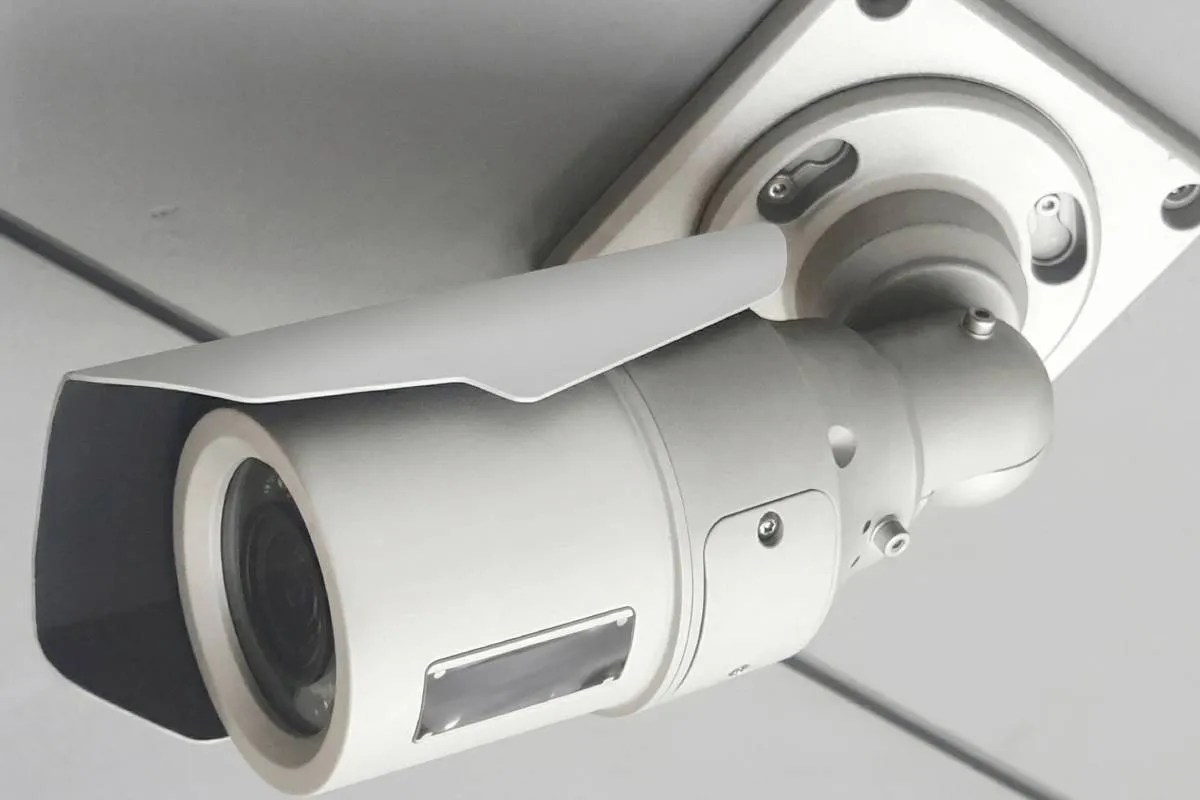
The headlines are screaming about a "ban" on Chinese CCTV cameras in India. The narrative is simple: get rid of the hardware, stop the snooping, and secure the nation. It sounds patriotic. It sounds decisive. It is also fundamentally wrong.
India isn’t banning Chinese cameras; it is reshuffling the deck chairs on a sinking ship. If you think swapping a Hikvision logo for a "Made in India" sticker solves your data privacy crisis, you aren't just misinformed—you’re a liability.
The Myth of the Hardware Border
The government’s new directives focus on the physical origin of the hardware. They want "trusted" sources and local assembly. But here is the reality I’ve seen in data centers from Mumbai to Bengaluru: the hardware is a hollow shell.
In modern surveillance, the camera is just a lens and a sensor. The soul of the machine—the firmware, the cloud architecture, and the mobile app—is where the real vulnerabilities live. Most "Indian" CCTV brands are currently white-labeling Chinese components. They buy the SoC (System on a Chip), slap on a custom UI, and call it indigenous.
If the underlying code still phones home to a server in Hangzhou, does the "Made in India" stamp on the plastic casing matter? Not a bit. We are obsessing over the metal while the data leaks through the digital cracks.
The Lazy Logic of "Trusted Sources"
The competitor articles love to quote the "Trusted Source" mandate as a magic wand. It isn't. I’ve audited systems where "trusted" hardware was configured by technicians who used admin123 as the password for an entire government facility.
The focus on the manufacturer’s country of origin creates a false sense of security. It suggests that if a camera is made in a friendly nation, it is inherently safe. This is a dangerous lie. A poorly configured American or Indian camera is infinitely more dangerous than a hardened Chinese camera.
Security is a process, not a product. By making this a geopolitical debate, we’ve abandoned the technical debate. We are teaching procurement officers to check passports instead of checking encryption standards.
The Hidden Cost of the Hardware Purge
Let’s talk about the money. I’ve watched enterprises scrap perfectly functional infrastructure to comply with optics-driven mandates.
Replacing millions of cameras across the public and private sectors will cost billions. Where is that money going? It isn't going into R&D for local sensor fabrication. It is going into the pockets of middlemen who are scrambling to find non-Chinese suppliers who are—you guessed it—just sourcing parts from the same factories via Vietnam or Taiwan.
We are paying a "patriotism tax" for the exact same level of insecurity.
The Real Threat: The Cloud, Not the Wire
Most users don't store footage on local DVRs anymore. They use "convenient" cloud storage.
If you want to dismantle a misconception, start here: the hardware brand is irrelevant if the cloud service provider is compromised. The ban targets the physical device but remains silent on the data transit protocols.
Imagine a scenario where a government office installs 500 "Indian-made" cameras. These cameras use a mobile app for remote viewing. That app uses third-party libraries for video compression and push notifications. If those libraries are maintained by developers in a hostile jurisdiction, your "ban" is a sieve.
The data isn't being stolen by a tiny spy inside the camera lens. It’s being harvested by the software that manages the stream.
Why "Indigenization" is Currently a Marketing Gimmick
To truly secure Indian skies, we need a vertical stack. We need Indian-designed silicon. We don’t have that yet.
What we have is "Screw-Driver Technology." We import the kits, we tighten the screws in a factory in Noida, and we claim victory. True sovereignty in surveillance requires:
- Proprietary OS: Not a fork of a generic Linux distro maintained elsewhere.
- Local Cloud Infrastructure: Mandatory data residency that isn't just a legal suggestion.
- Firmware Audits: Every line of code must be scrutinized by independent domestic labs.
The current ban does none of this. It creates a vacuum that is being filled by opportunistic brands that lack the scale or the security budget of the giants they are replacing. We are trading sophisticated surveillance for amateur insecurity.
The Privacy Paradox
People ask, "Should I throw away my Chinese home camera?"
The honest, brutal answer: If you are worried about a foreign government seeing your living room, you should be equally worried about the local "trusted" company that has no bug bounty program, no encryption on their database, and employees who can access your feed with a single click.
The ban focuses on "national security," which is a macro concern. It does nothing for "individual privacy," which is the micro reality. We are replacing "spying by a foreign state" with "exposure to any bored hacker with a script."
The Actionable Truth
Stop looking at the brand on the box. If you are responsible for security, start asking these three questions:
- Who owns the IP of the firmware? If the vendor can't show you the source code or a clean audit of the binary, they aren't "trusted," regardless of their headquarters.
- Where does the heartbeat go? Use a network sniffer. See where the camera tries to connect when it boots up. If it tries to reach an IP address that isn't yours, kill the connection.
- Is the P2P (Peer-to-Peer) disabled? Most cameras use P2P to bypass firewalls for easy mobile viewing. This is a massive back door. If your "secure" Indian camera requires P2P to work, it isn't secure.
The ban is a political signal, not a technical solution. Treat it as such. Don’t let a compliance checklist trick you into thinking your network is safe. A "trusted" camera on an open network is still a wide-open window.
Burn the checklist. Audit the traffic. Lock the door yourself.