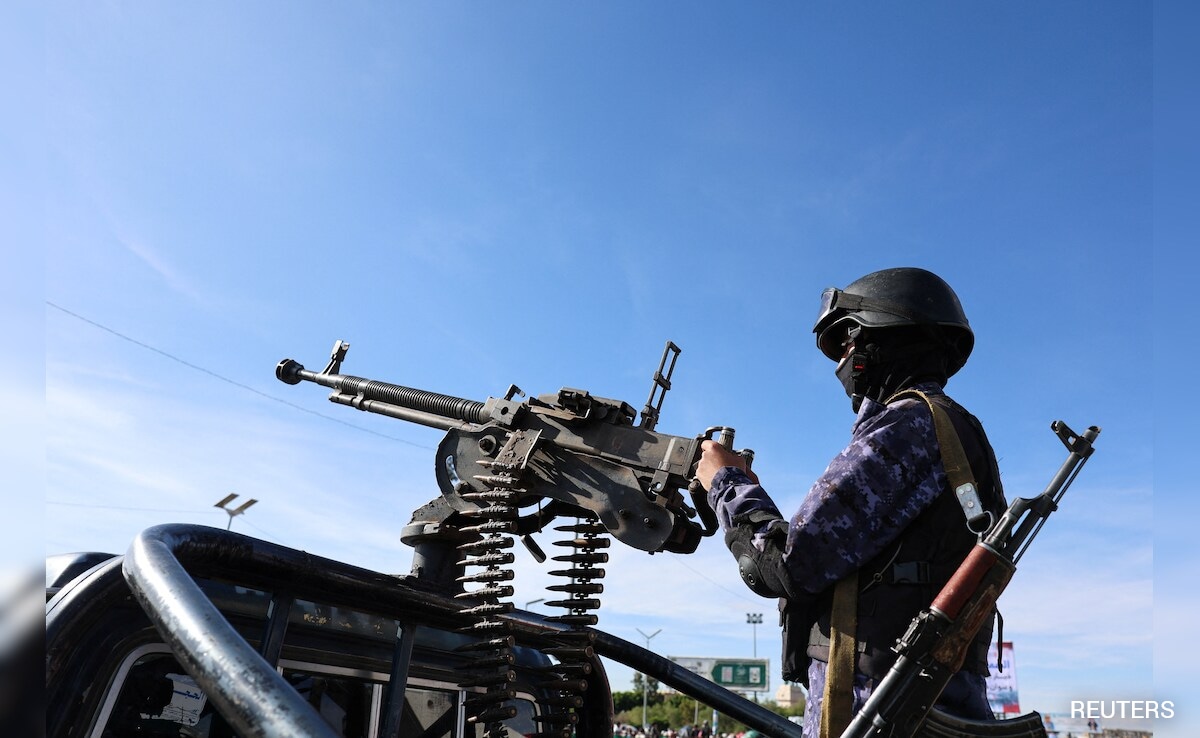
Yemen’s Houthi rebels didn't just fire missiles at Israel on March 28; they effectively blew up the remaining hope for a contained conflict in the Middle East. By officially joining the war between Iran and the U.S.-Israeli alliance, the group has turned a localized exchange of fire into a global economic emergency. If you think this is just another skirmish in a decade-long civil war, you’re missing the point. The Houthis now hold a knife to the throat of the world's most vital shipping lane at the exact moment the Strait of Hormuz is already under blockade.
The Strategy Behind the Sudden Escalation
For months, the Houthis played a waiting game. While Hezbollah and Iraqi militias engaged in "solidarity strikes" throughout 2024 and 2025, the leadership in Sanaa mostly stuck to rhetoric and political posturing. That ended yesterday. The salvo of ballistic and cruise missiles targeting "sensitive Israeli military sites" wasn't a desperate flail. It was a calculated opening of a new front. Also making news in related news: Finland Is Not Keeping Calm And The West Is Misreading The Silence.
Tehran’s "Axis of Resistance" is under immense pressure. With the Israeli military pushing deep into Iranian territory—striking as far east as Mashhad on March 25—the IRGC is activating its most geographically advantaged asset. The Houthis don't have to win a conventional battle. They just have to make the Red Sea impassable.
I’ve watched this group evolve from a ragtag insurgency into a regional power. They aren't just Iranian puppets; they’re opportunistic survivors. By entering the war now, they deflect internal Yemeni anger over failing governance and food shortages toward a common external enemy. It's a classic move. But this time, the stakes involve 12% of global maritime trade. Additional details regarding the matter are explored by BBC News.
Choking the Bab el-Mandeb
The real danger isn't a Houthi missile hitting a base in Tel Aviv. It's what happens at the Bab el-Mandeb Strait. This narrow chokepoint is the southern gateway to the Suez Canal. Even before this official entry into the war, Houthi pressure had forced a 50% drop in Suez traffic at various peaks. Now, with the group's "fingers on the trigger," we're looking at a total maritime blackout.
The numbers are terrifying.
- Brent Crude has already surged past $120 per barrel.
- 70% of food imports to the Gulf states are currently disrupted.
- Shipping costs are expected to triple as vessels are forced to reroute around the Cape of Good Hope, adding two weeks to every trip.
You’re going to feel this at the gas pump and the grocery store within weeks. The Houthis have occupied the high ground at Jabal Ras, giving them a direct line of sight to the coastal roads and the shipping lanes. They’ve deployed drone platforms and anti-ship missile batteries that are notoriously difficult to root out with airpower alone. We learned that during the U.S.-led "Operation Rough Rider" in 2025—you can't bomb a decentralized militia into submission from 30,000 feet.
The Survival Logic of the Axis
Why would the Houthis risk a massive Israeli or U.S. retaliation that could destroy the port of Hodeidah? Because for the IRGC, Yemen is the fallback plan. There’s a growing consensus among analysts like Nadwa Al-Dawsari that if the Iranian regime faces a total collapse at home, the IRGC intends to regroup in Yemen.
The Houthis are the most intact member of the Axis. Unlike Hezbollah, which is bogged down in Lebanese domestic collapse, or the Iraqi militias facing a central government trying to reclaim its sovereignty, the Houthis are the government in northern Yemen. They have a taxation system, a security apparatus, and a battle-hardened population. They aren't just fighting for Iran; they're fighting to ensure they remain the dominant power in the Red Sea for the next twenty years.
The End of the Yemeni Peace Process
The most tragic casualty here is Yemen itself. The fragile truce that had held since 2022 is effectively dead. By attacking Israel and threatening neighboring GCC countries like Saudi Arabia and the UAE, the Houthis have invited a return to the full-scale regional war of 2015.
If Saudi Arabia decides to provide air support to the Tihama Resistance to stop the Houthi advance on the coast, the 2022 ceasefire won't just be a memory—it'll be a catalyst for a much more violent "Phase Two." The Houthis have already warned that any Arab intervention will make those countries the "first losers" in this battle. This isn't just tough talk. They've spent the last three years stockpiling long-range drones specifically designed to hit Saudi desalination plants and oil refineries.
The humanitarian cost is unthinkable. 23 million Yemenis already need aid. If Hodeidah—the country's lifeline for food—becomes a military target again, the resulting famine will dwarf anything we saw in the last decade.
What You Should Watch Next
Don't look for a grand peace summit to fix this. The meeting in Pakistan scheduled for Monday is already missing the actual combatants. Instead, watch the following indicators to see where this is headed:
- Hodeidah Port Operations: If Israel or the U.S. launches a "decapitation strike" on the port, expect an immediate retaliatory strike on Saudi or Emirati energy infrastructure.
- The Tihama Frontline: If the Houthis break through at Hays or Al-Khokha, they will have physical control of the coast overlooking the Bab el-Mandeb. At that point, the Red Sea is closed for business.
- Insurance Premiums: When maritime insurance for the Red Sea hits "prohibitive" levels, the global supply chain for electronics and energy will effectively shift to a permanent war footing.
The Houthis have successfully tied their local survival to a global catastrophe. They've proven that a small group with the right geography can hold the entire world economy hostage. The "Next Move" isn't a diplomatic one; it's a question of how much economic pain the West is willing to endure before it realizes that the war in Yemen was never actually over.
Move your assets out of high-risk shipping stocks and prepare for a prolonged period of energy-driven inflation. This isn't a temporary spike. It's the new map of the Middle East.