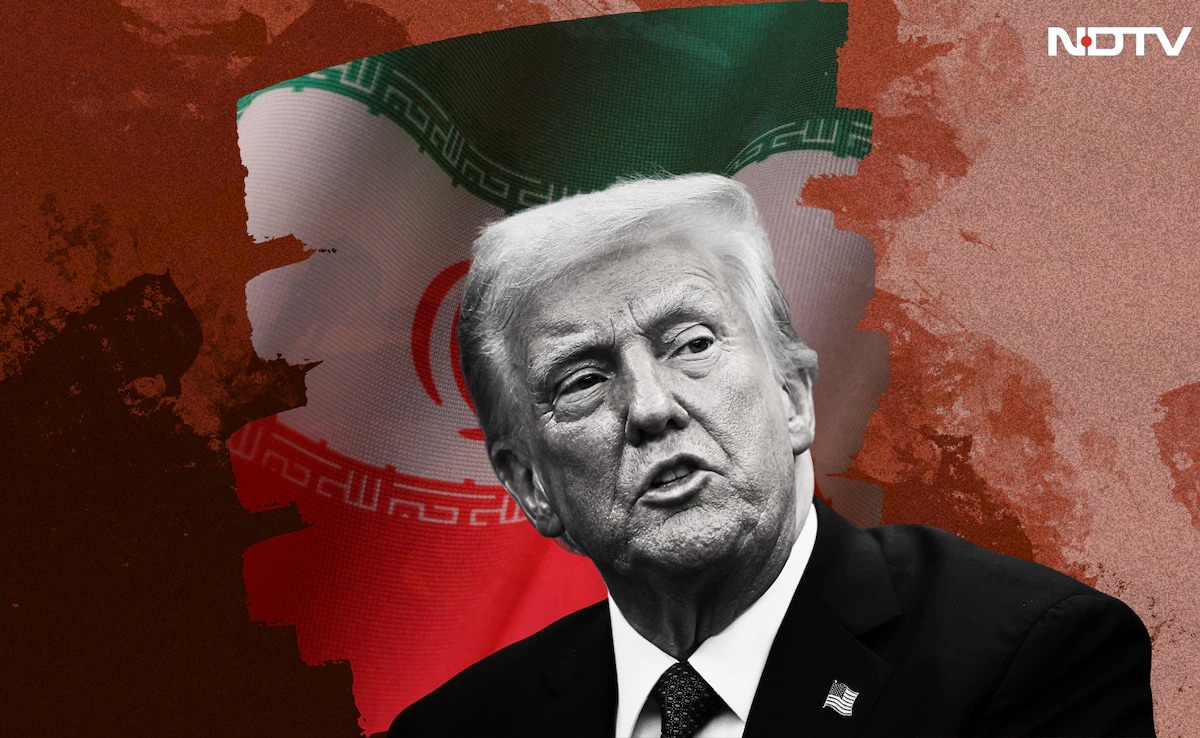
The 48-hour countdown currently ticking in Washington and Tehran is not just a diplomatic deadline. It is the fuse on a global economic demolition charge. When President Donald Trump issued his ultimatum on Truth Social, threatening to "obliterate" Iranian power plants unless the Strait of Hormuz is "fully open" by Monday night, he effectively transitioned the 2026 Iran War from a regional kinetic conflict into a total war on industrial civilization.
Iran’s response was immediate and devoid of the usual rhetorical fluff. The Islamic Revolutionary Guard Corps (IRGC) and Parliament Speaker Mohammad Bagher Qalibaf have clarified that if their grid goes dark, the rest of the Middle East will follow. This is no longer a localized fight over missile sites or nuclear centrifuges. It is a systematic hostage-taking of the world’s energy and water supply.
The Geography of a Total Blackout
The strategic logic from Tehran is chillingly simple. For decades, Iran built a "ring of fire" via proxies. Now, it is utilizing a "ring of leverage" over the physical survival of its neighbors. If the U.S. strikes the Shahid Rajaee or Damavand power plants, Iran has pledged to destroy desalination plants and energy hubs across the Gulf.
In a region where potable water is a manufactured product of the energy sector, "obliterating" infrastructure is a death sentence for civilian populations far beyond Iran’s borders. Saudi Arabia’s Ras Tanura and Qatar’s Ras Laffan are already in the crosshairs. These are not just oil and gas ports; they are the heart nodes of a global economy that has already seen Brent Crude surge past $120 per barrel.
If the Strait remains closed, the IEA warns of a 20% shortfall in global oil supply. We are not talking about expensive gas at the pump. We are talking about the physical inability to move goods, power factories, or heat homes in Europe and Asia.
Why the Military Solution is a Mirage
There is a persistent belief in some Western strategic circles that a "clean" aerial campaign can "unlock" the Strait. This is a dangerous fantasy. While U.S. Central Command has deployed GBU-72 "bunker busters" and A-10 Thunderbolts to hunt fast-attack craft, the reality of the Strait of Hormuz is that it cannot be "policed" into submission while the adjacent coastline remains hostile.
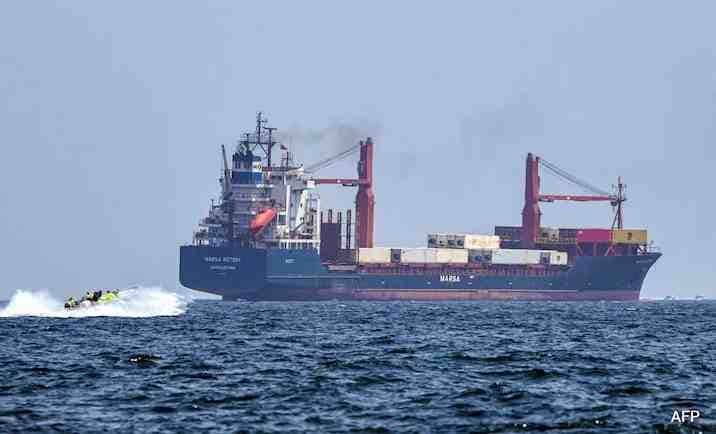
The IRGC has spent years decentralizing its command structure. Even if the U.S. decapitates the leadership in Tehran, local batteries of Noor and Ghadir anti-ship missiles are designed to operate autonomously. A single lucky strike on a VLCC (Very Large Crude Carrier) creates a maritime insurance "no-go zone" that no amount of naval escort can fix.
The U.S. is currently attempting to use the "biggest one first" doctrine—targeting Iran’s largest power plants to shock the regime into compliance. However, this assumes the Iranian leadership values domestic stability over regional deterrence. History suggests the opposite. By making the stakes existential, the U.S. has removed the incentive for Iran to de-escalate.
The Desalination Trap
The most overlooked factor in this crisis is the "water-energy nexus." Most analysts focus on the oil tankers, but the real "hard-hitting" impact is on the desalination plants in the UAE, Kuwait, and Bahrain. These facilities are the only reason these nations are habitable.
Iran’s threat to "irreversibly destroy" these facilities is a move toward total regional scorched-earth warfare. If these plants are hit in retaliation for U.S. strikes on Iranian power grids, the resulting humanitarian crisis would dwarf anything seen in modern warfare. Millions would be without water within 48 hours. This is the "asymmetric" leverage Iran holds over U.S. allies, and it is a card they are clearly willing to play.
Market Realities and the $200 Barrel
Wall Street is currently pricing in a "Black Monday." If the 23:44 GMT deadline passes without a stand-down, we are looking at an immediate jump in energy prices that could trigger a global depression.
- Europe: Already reeling from a harsh winter and low gas storage (30%), the loss of Qatari LNG is catastrophic.
- Asia: Countries like Japan and South Korea, which import nearly 90% of their energy, face immediate industrial shutdowns.
- The U.S.: While more energy-independent than in the 1970s, the U.S. is not immune to global price shocks that will drive inflation to double digits almost overnight.
The Biden-era focus on "managed competition" has been replaced by the Trump-era "maximum pressure 2.0," but the physics of the Strait of Hormuz haven't changed. You cannot bomb a waterway open if the entities on the shore are willing to die to keep it closed.
The Strategic Pivot Point
We are past the point of subtle signaling. The U.S. has committed its prestige to a 48-hour window. Iran has committed its survival to a total blockade.
The coming hours will determine if the 21st century's first "Great Energy War" expands into a conflict that permanently alters the map of the Middle East. If the power plants go, the lights don't just go out in Tehran—they go out on the era of affordable global energy.
The immediate next step for any entity with exposure to Middle Eastern logistics is to trigger force majeure protocols and secure alternative energy baseloads, as the "Hormuz Choke" is no longer a theoretical risk, but an active operational reality.