Delcy Rodríguez did not come to Miami to apologize. She came to sell. The Venezuelan Vice President’s appearance at a high-level investment summit marks a jarring pivot in a decade-long geopolitical standoff, signaling that the Maduro administration is ready to trade ideological purity for cold, hard cash. By pitching a "newly opened" oil sector to the very capitalistic engines it once decried, Caracas is betting that the global thirst for stable energy supplies will outweigh the lingering stench of sanctions and human rights concerns.
This is not a simple diplomatic overture. It is a calculated survival strategy. For years, Venezuela’s state-owned oil giant, PDVSA, has sat as a rusting monument to mismanagement and underinvestment. Now, with the global energy map redrawn by conflicts in Europe and the Middle East, Rodriguez is dangling the world’s largest proven crude reserves in front of Western boardrooms. The message is blunt: the gates are open, the terms are negotiable, and the past is an expensive distraction.
The Crude Reality Behind the Charm Offensive
Venezuela sits on over 300 billion barrels of oil. Most of it is heavy, sour, and difficult to process, requiring specialized refineries and massive upfront capital. For the last several years, that oil has largely stayed in the ground or moved through "ghost fleets" to Asian markets at steep discounts. The Miami pitch is designed to bypass those shadowy middle-men and bring the majors—Chevron, Eni, Repsol—back into the fold with full legal protections and profit-sharing agreements that were unthinkable under Hugo Chávez.
The desperation is palpable. Production currently hovers around 800,000 to 900,000 barrels per day. That is a fraction of the 3 million barrels the country pumped at its peak. To reach those heights again, industry analysts estimate the country needs an infusion of at least $10 billion annually for the next decade. Rodríguez knows that China and Russia are either unwilling or unable to provide that level of sustained liquidity. She needs the Americans.
Breaking the Sanctions Cycle
The elephant in the room remains the U.S. Treasury Department’s Office of Foreign Assets Control (OFAC). While the Biden administration has issued specific licenses—most notably to Chevron—to allow limited operations, the broader web of sanctions remains a formidable barrier. Investors in Miami aren't just looking at geological maps; they are looking at political polling.
The "opening" Rodríguez describes hinges entirely on the belief that Washington will continue to prioritize global price stability over regime change. If the political winds shift in the 2024 or 2026 cycles, any contract signed today could become a worthless piece of paper tomorrow. This regulatory whiplash is the primary reason why, despite the glitzy presentations, many Tier 1 investors remain on the sidelines, watching for a more permanent legislative signal that the thaw is real.
Why Now and Why Miami
Choosing Miami as the backdrop for this pitch is a provocation wrapped in a business opportunity. As the epicenter of the Venezuelan diaspora and the heart of anti-Maduro sentiment, the city represents the very forces that have spent years trying to topple the current government. By showing up and speaking to the financial elite in their own backyard, Rodríguez is attempting to normalize the Maduro government’s status as a permanent fixture.
It is a psychological play as much as a financial one. The administration wants to project an image of a "post-crisis" Venezuela. They are highlighting the relative stabilization of the bolívar and the dollarization of the local economy as proof that the worst is over. However, the infrastructure tells a different story. Power outages remain frequent, and the technical expertise required to run high-pressure drilling operations has largely fled the country.
The Technical Debt of PDVSA
You cannot simply turn a key and restart an oil field that has been neglected for five years. The mechanical decay is profound. Pipelines have been stripped for scrap metal, and many of the "upgraders" needed to thin the heavy Orinoco crude are offline.
When Rodríguez talks about "opening the sector," she is effectively asking foreign companies to take on the role of a general contractor for a nation's entire infrastructure. This includes:
- Restoring power grids to support pumping stations.
- Dredging shipping channels that have filled with silt.
- Rebuilding a decimated workforce by importing foreign engineers.
These are not just business costs; they are nation-building exercises. Companies like Chevron have managed to navigate this by focusing on low-hanging fruit—restarting existing wells rather than drilling new ones. But to hit the 2-million-barrel mark, the "newly opened" sector requires a level of trust that simply does not exist yet.
The Transparency Gap
One of the sharpest counter-arguments to the Rodriguez pitch is the lack of institutional guardrails. Under the current "Anti-Blockade Law," the Venezuelan executive branch has the power to sign secret contracts. This was designed to evade sanctions, but it is a double-edged sword for legitimate investors.
Serious capital demands transparency. It demands an independent judiciary to settle disputes. In the current Venezuelan framework, if a joint venture goes south, the investor's only recourse is a court system that has historically sided with the state. This "sovereignty" argument, which Rodriguez championed in Miami, is the very thing that keeps risk-aversion high. Without a return to the rule of law and clear, public-facing bidding processes, the "opening" will likely attract bottom-feeders and speculators rather than the institutional giants needed for a true recovery.
A Geopolitical Pivot Point
The timing of this summit is not accidental. The Western world is currently grappling with the realization that the transition to green energy will take longer than expected, and traditional hydrocarbons remain the bedrock of national security. Venezuela is positioning itself as the "friendly" alternative to Middle Eastern volatility, despite its own history of upheaval.
There is a certain irony in the spectacle. A government that spent decades nationalizing assets and vilifying "Yankee imperialism" is now courting South Florida wealth managers. This isn't a change of heart; it's a change of circumstances. The "Socialism of the 21st Century" has run out of other people's money, and the oil sector is the only remaining lever to pull to prevent total economic collapse.
Risk Management for the Bold
For the investors who attended the summit, the math is simple. If they get in now, they get assets at a massive discount. If the country eventually stabilizes and rejoins the global community, those assets could see a ten-fold increase in value. It is the ultimate distressed-debt play.
But the "if" is doing a lot of heavy lifting.
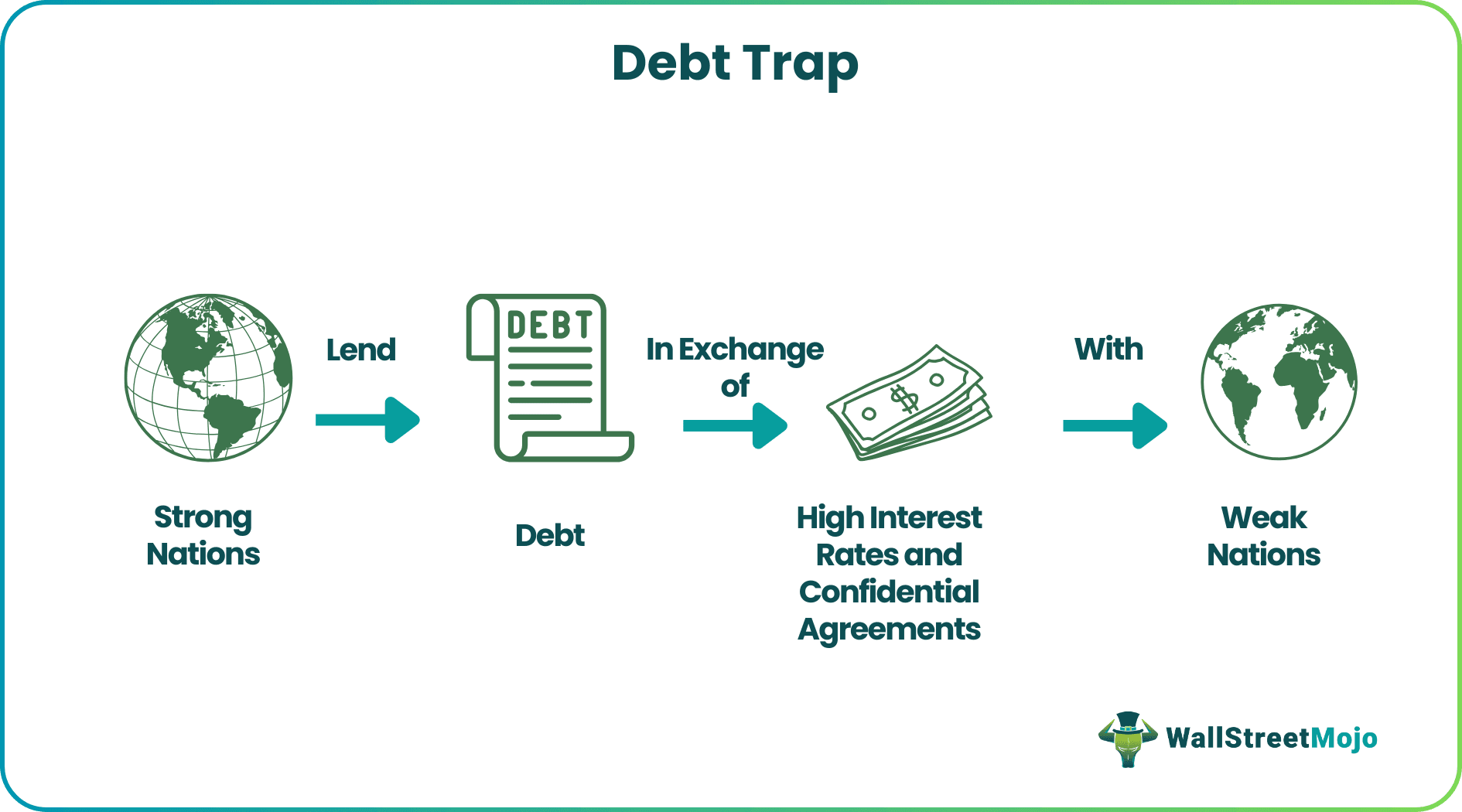
The Venezuelan government is promising a new era of cooperation, but they have yet to address the fundamental issues of debt restructuring. The country owes billions to bondholders who have been sidelined for years. Any new investment into the oil sector will eventually have to reckon with these creditors, who are already lining up in international courts to seize Venezuelan assets abroad, including Citgo.
The Bottom Line for Energy Markets
The re-entry of Venezuelan oil into the mainstream market would be a significant deflationary force for global gas prices. It would provide a heavy-crude alternative to Russian barrels, which many Gulf Coast refineries were originally built to process. This is the carrot that Rodriguez is using to entice the U.S. government to keep the sanctions light.
However, the "newly opened" sector is currently more of a "partially cracked door." The rhetoric in Miami was polished, but the reality on the ground in Lake Maracaibo remains one of environmental degradation and mechanical failure. The transition from a pariah state to a reliable energy partner requires more than a successful roadshow; it requires a fundamental restructuring of how the country handles its most precious resource.
The true test of the Miami summit won't be the handshakes in the lobby, but the movement of rigs in the Orinoco Belt over the next six months. If the majors don't move beyond their current limited licenses, the pitch will have failed. If they do, we are witnessing the most significant shift in Latin American energy politics in a generation.
Watch the rig counts, not the press releases.