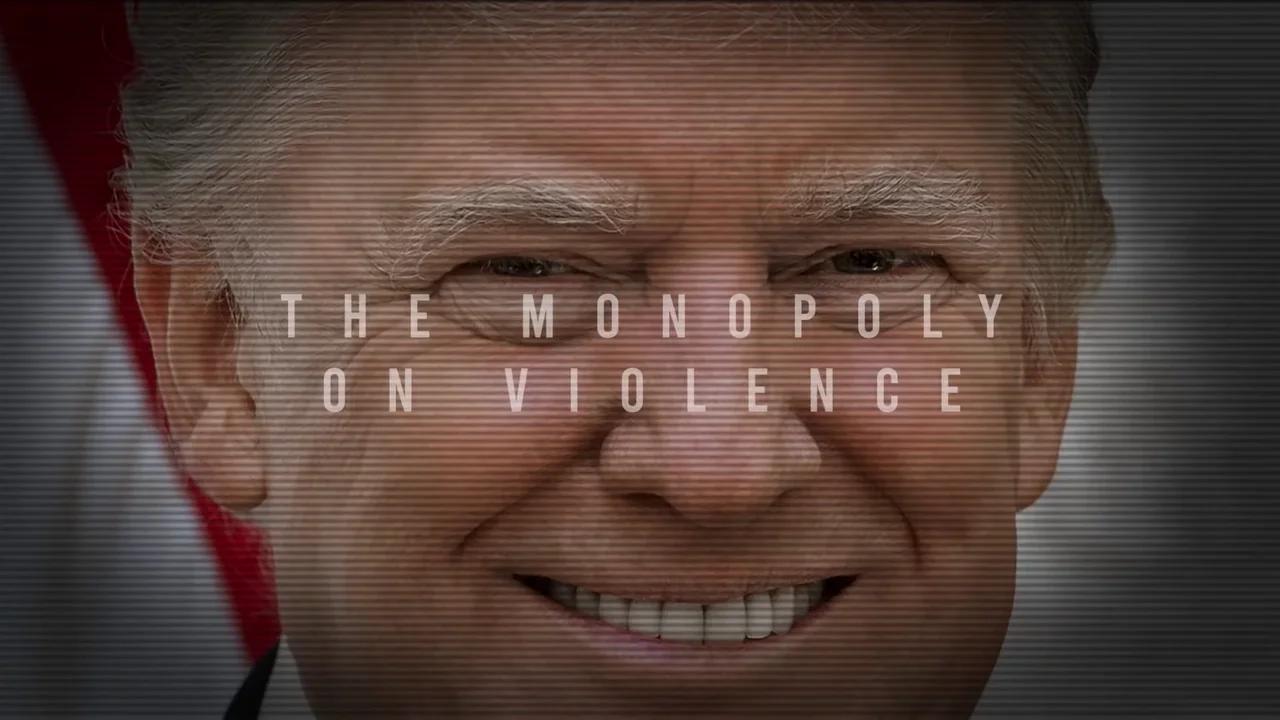
President Donald Trump will touch down in Beijing on May 14 to meet with President Xi Jinping, a high-stakes pivot intended to stabilize a global economy currently reeling from the 2026 Iran War. The White House confirmed the two-day summit after a month of logistical paralysis caused by the outbreak of hostilities in the Persian Gulf. By scheduling this trip for mid-May, the administration is betting that the kinetic phase of "Operation Epic Fury" will have subsided enough to allow for a "monumental" reset with China.
This is not a routine diplomatic visit. It is a desperate search for an off-ramp.
The original itinerary for late March was scrapped when U.S. and Israeli forces launched massive strikes against Tehran on February 28. The ensuing chaos—marked by the death of Supreme Leader Ali Khamenei and the subsequent closure of the Strait of Hormuz—sent oil prices into a vertical climb and snapped the "fragile trade truce" that had been holding since late 2025. Now, with the global supply chain gasping for air, the May 14-15 summit represents a calculated attempt to decouple the U.S.-China economic relationship from the fires burning in the Middle East.
The Hormuz Lever
The primary driver behind the rescheduling is not just a lull in the fighting, but a specific, failed attempt by Washington to enlist Beijing as a regional enforcer. Before the delay was finalized, Trump had publicly demanded that China send warships to help reopen the Strait of Hormuz. Beijing, which imports more than half of its crude oil from the region, flatly refused.
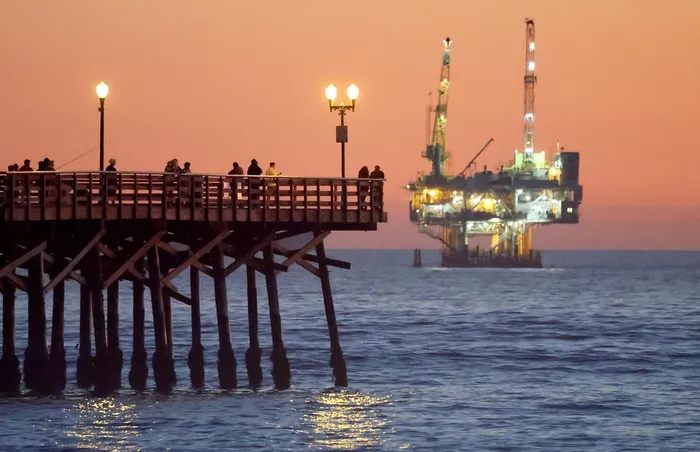
This refusal is the silent guest at the upcoming table. China has watched the United States decapitate the Iranian leadership only to find itself mired in a "horizontal escalation" where Iranian drones and missiles target energy infrastructure across the Gulf. By refusing to intervene militarily, Xi Jinping has signaled that China will not pull American chestnuts out of the fire. Instead, Beijing has positioned itself as the "force for global stability," a narrative that gains weight as European and Asian allies balk at the mounting costs of the conflict.
Trump’s decision to move forward with the visit despite this friction suggests a tactical shift. The administration needs China to maintain its purchase commitments under existing trade frameworks to prevent a total domestic economic contraction. Press Secretary Karoline Leavitt’s "do the math" comment—referring to a four-to-six-week window for the war’s endgame—points to a White House that believes it can present a "mission accomplished" moment just in time for the Beijing arrival.
Trade Under the Shadow of Tomahawks
While the headlines focus on the war, the underlying mechanics of the summit remain rooted in the aggressive "Reciprocal Trade" agenda. On March 12, the U.S. Trade Representative (USTR) initiated Section 301 investigations into forced labor practices, a move that covers sixty economies but is aimed squarely at Chinese manufacturing.
This creates a bizarre dichotomy. In one room, diplomats are negotiating the reopening of energy lanes; in the other, the U.S. is building the "Consolidated Administration and Processing of Entries" (CAPE) system to automate the collection of aggressive new tariffs.
The Reciprocal Tariff Reality
- Current Baseline: A 10% ad valorem duty on most global imports implemented in February 2026.
- Semiconductor Surcharge: An additional 25% on specified chips and derivative products.
- The China Penalty: 100% duties on STS cranes and cargo handling equipment, currently suspended but used as a "Sword of Damocles" in negotiations.
The summit will likely see Trump push for a "Phase Two" deal that addresses these structural barriers. However, the leverage has shifted. In 2020, the U.S. was the undisputed hegemon. In 2026, the U.S. is a nation with thirteen soldiers dead in a fresh Middle Eastern war and a domestic public facing fuel rationing.
China knows this.
Xi's willingness to host Trump on May 14 is a gesture of strength, not submission. By welcoming a president who just upended the regional order, Xi is demonstrating that China is the indispensable partner that remains standing when the smoke clears. The meeting will likely yield a "narrow diplomatic breakthrough"—perhaps a commitment from China to increase LNG imports from U.S. terminals—to provide the "Monumental Event" optics Trump craves.
The Endgame Illusion
There is a significant risk that the "four to six weeks" timeline is pure fiction. Military analysts point to the recent movement of elite units toward the Middle East as evidence that the U.S. is preparing for ground operations to seize Iranian coastal batteries. If the war escalates into a protracted land grab, a May 14 visit to Beijing will look less like a victory lap and more like a distraction.
Furthermore, the selection of Mojtaba Khamenei as the new Supreme Leader has hardened the Iranian resolve. The "pragmatist" faction in Tehran was effectively eliminated when Ali Larijani was killed on March 17. Washington is now dealing with a regime that has nothing left to lose and a Chinese partner that sees no reason to help its primary rival consolidate a win.
The May summit is a gamble that the world can return to "business as usual" while the largest energy artery on the planet is still under fire. Trump is betting his "deal-maker" reputation on the idea that Xi will trade regional influence for tariff relief. It is a cynical calculation. If the war is still raging by mid-May, the Beijing summit won't be remembered for a trade deal, but as the moment the limits of American power were laid bare on the global stage.
Would you like me to analyze the specific tariff schedules being prepared for the May 12 reciprocal trade executive order?